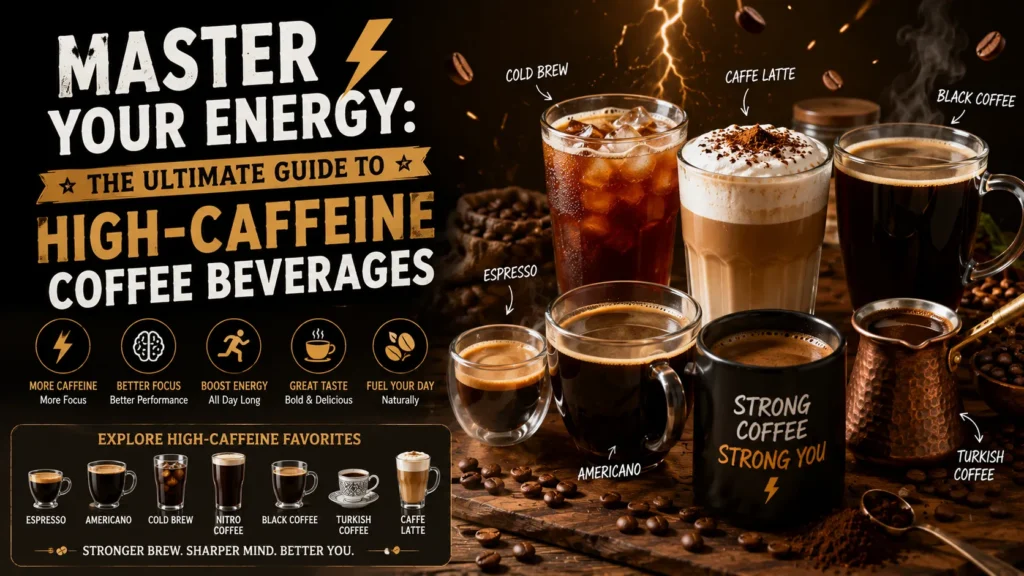
Looking for the perfect cup of coffee to supercharge your productivity? The world of coffee offers far more variety in energy delivery than most people realize. From morning pick-me-ups to afternoon energy boosts, different brewing methods and coffee types deliver vastly different results. Let’s explore how to find the exact coffee that matches your energy needs.
The caffeine potency of your morning brew depends on multiple interconnected factors. Understanding these elements helps you make strategic choices about which coffee to order or prepare at home.
Not all coffee beans are created equal when it comes to stimulating power. Robusta varieties pack nearly double the energizing compounds compared to their Arabica cousins. While specialty coffee culture often celebrates Arabica for its nuanced flavor profile, Robusta beans deliver superior performance for those prioritizing that sustained energy kick throughout the workday.
Here’s a counterintuitive truth: cold brew, despite its refreshing nature, extracts more active compounds than most hot preparation methods. The 12-24 hour steeping process in cold water allows maximum compound extraction. In contrast, quick espresso shots rely on pressure rather than time to pull compounds from the grounds.
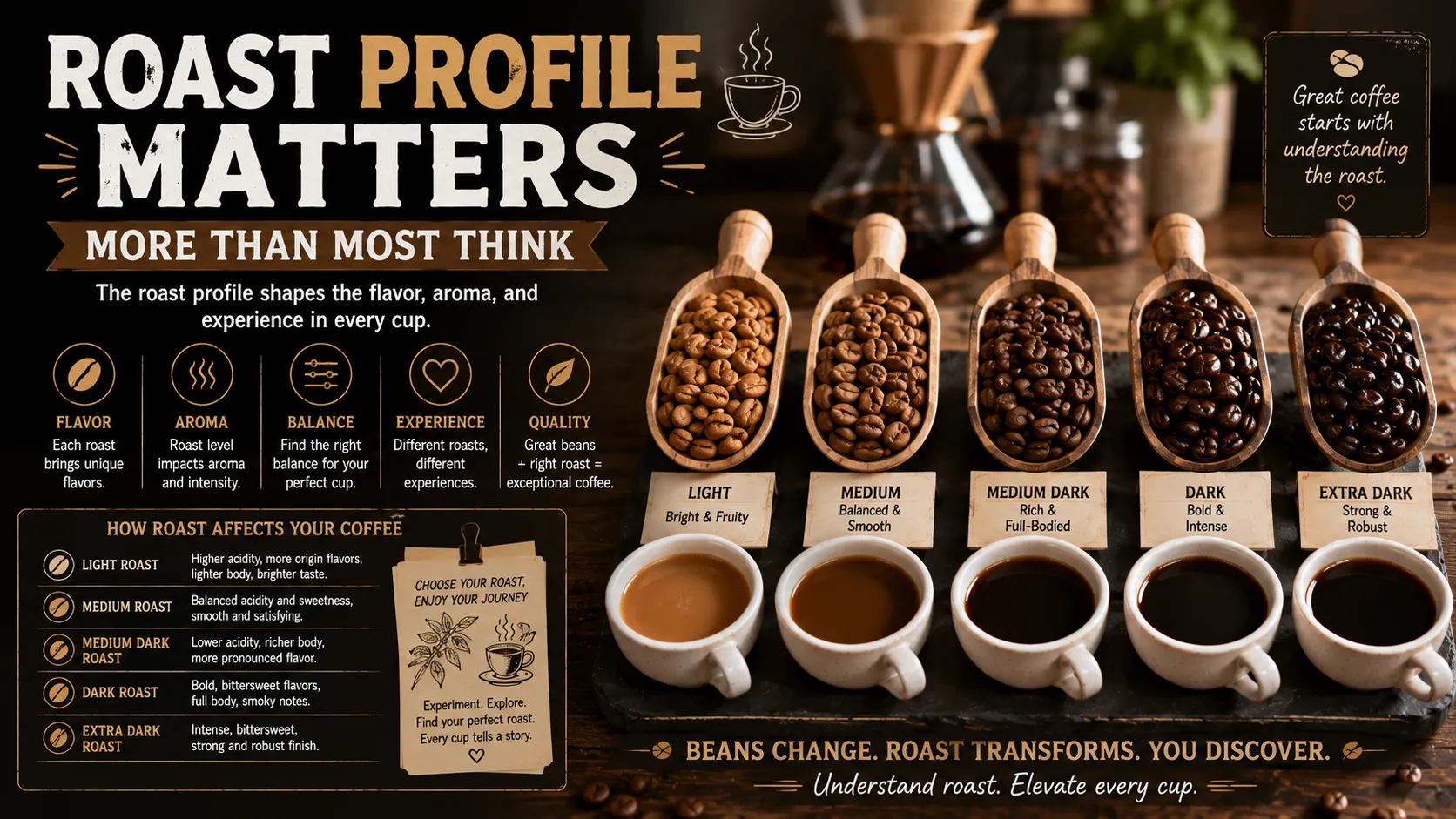
That dark, smoky roast might look robust, but lighter roasts actually preserve more of what you’re seeking. The roasting process naturally reduces active compounds through heat application, making shorter roasting times beneficial for maximum potency.
Extended steeping creates an exceptionally potent beverage. A standard 16-ounce serving rivals two espresso shots in stimulating power. If you track your caffeine levels throughout the day, you’ll notice cold brew offers a smoother journey—many drinkers find they can consume it throughout their day without experiencing jitters or digestive discomfort.
The gentle acidity makes cold brew forgiving on sensitive stomachs while delivering impressive results. Its versatility allows consumption straight, diluted, or mixed with milk.
This ancient brewing method involves grinding beans into powder-fine consistency and simmering with water and spices. Despite tiny serving sizes (typically 1-2 ounces), the ultra-fine grind combined with extended heat contact creates a surprisingly potent shot. One serving delivers 50-65 mg of stimulating compounds—substantial for such a small volume.
The lungo represents espresso’s extended cousin—same coffee amount, more water, longer extraction. This variation pulls additional compounds from the grounds without creating the bitterness that comes from true over-extraction. It bridges the gap between concentrated espresso and diluted Americano.
Espresso shots topped with hot water create a flexible platform for energy customization. A standard version uses two shots, delivering 77-150 mg depending on shot size. The beauty lies in customization—add a third or fourth shot to dramatically increase your intake. This preparation remains gentler on the stomach than traditional drip methods.
The worldwide standard involves hot water trickling through ground beans. Consistency defines this method—a regular cup delivers predictable results. Larger mugs simply multiply the base amount proportionally. Most coffee shops and home brewers can produce reliable drip coffee that, when evaluated for caffeine content, matches or exceeds specialty drink performance.
Two shots combined deliver concentrated stimulation in minimal volume. Perfect for those seeking intensity without bulk, double shots serve as the foundation for numerous high-power specialty beverages. The compressed delivery means significant energy from just two ounces.
Small but mighty, one shot provides respectable stimulation through rapid, high-pressure extraction. Despite its size, espresso delivers impressive results through specialized machine pressure.
Lattes, cappuccinos, and mochas derive their stimulating power entirely from their espresso base. A single-shot version contains around 63 mg, while double-shot versions reach 126 mg. The milk and chocolate add nothing to the active compound count but do dilute intensity and add flavor/calories.
Black tea and green tea offer moderate stimulation with different benefit profiles. Black tea delivers 25-50 mg per cup, while green tea provides slightly less alongside L-theanine for calm focus. These serve as gentler alternatives for sensitive individuals.
If maximum stimulation drives your choice, specifically request Robusta-based blends. These naturally deliver nearly twice the potency. Quality Robusta options now exist that balance power with pleasant taste.
Request light or medium-light roasted beans. The shorter roasting duration preserves more of what you’re seeking. Single-origin light roasts offer transparent sourcing with optimal potency.
Longer contact between water and grounds extracts more. Whether using pour-over, immersion, or machine methods, increasing extraction time yields noticeably higher results.
The simplest approach: consume larger volumes. A 20-ounce cup contains roughly 25% more than a 16-ounce serving of identical preparation.
Smaller particle size increases surface area, accelerating extraction. If your coffee tastes weak despite quality ingredients, try adjusting to finer grinding.
Three-shot Americanos and quad-shot lattes deliver substantially more than standard versions. This provides precise control over intake.
Specialty companies now produce “maximum energy” formulations combining optimal bean selection, precise roast timing, and sometimes concentrated extracts. These represent modern approaches to optimization.
Knowing the caffeine levels in your favorite beverages matters, but responsible intake matters equally. The FDA recommends healthy adults maintain daily intake below 400 mg. This translates to:
Exceeding these amounts may trigger restlessness, anxiety, sleep disruption, elevated heart rate, or digestive distress. Pregnant women should target 200 mg maximum, while younger individuals need significantly less.
Using a caffeine levels tracker helps monitor consumption across all sources—coffee, tea, energy drinks, and chocolate. Many enthusiasts discover they consume more than intended when combining multiple caffeinated products.
Understanding different caffeine content levels across brewing methods empowers better decision-making. Here’s what impacts the final numbers:
Brewing Method Comparison:
The caffeine content varies based on bean type, roast level, grind size, water temperature, and extraction duration. Robusta varieties average 2.7% while Arabica averages 1.5%, explaining the substantial performance gap.
Your ideal coffee consumption pattern depends on personal factors: sensitivity levels, lifestyle demands, stomach sensitivity, and flavor preferences.
For Sustained All-Day Energy: Cold brew provides impressive power with smooth digestibility. This type of coffee consumption pattern allows safe intake from morning through early afternoon without the digestive stress of hot brews.
For Immediate Energy Bursts: Concentrated shots—double or triple espresso, lungo, or Americano with extra shots—deliver rapid stimulation ideal for urgent situations.
For Morning Ritual: Light-roast single-origin drip coffee combines necessary energy with the meditative experience many coffee lovers cherish.
For Afternoon Pick-Me-Up: Lungo or Americano provides solid activation without the volume commitment of full-cup drip coffee.
For Sensitive Digestive Systems: Cold brew and quality black tea offer strong activation with reduced acidity, preventing stomach distress.
The “best” coffee for maximum energy is deeply personal. Your ideal beverage balances:
Start experimenting with different preparation methods from our rankings. Notice how each affects your energy levels, sustained focus, and overall experience. Some people thrive on cold brew consumed gradually throughout morning and early afternoon. Others prefer the ritual and warmth of a perfectly brewed cup. Still others need concentrated espresso shots for precision energy delivery.
The path forward: Track your intake using caffeine calculators, monitor how different preparations affect your productivity and wellbeing, and adjust consumption accordingly. By understanding the variations across different brewing methods and combining this knowledge with your personal response patterns, you’ll discover the optimal approach for your specific energy requirements and lifestyle demands.
Your perfect high-energy coffee awaits—you simply need to find which preparation method aligns with your goals.
Ready to optimize your approach? Use our caffeine levels calculator and explore detailed resources on caffeine content to maximize your energy while maintaining healthy intake levels. Learn more about optimizing your coffee consumption patterns with our comprehensive guides.
Dark roast is less acidic than light and medium roast, and it is heavier-bodied. The taste of many people is bold, rich, or bitter to some extent. This bitterness is not a defect, but the natural outcome of increased roasting. This style is smoother and more relaxed to consume to individuals who do not like sour coffee.
The other misconception is that of caffeine content. The longer the roasting period, the less caffeine results, so dark roast has a little less caffeine as compared to light roast. The difference, however, is minuscule and cannot be noticed by most drinkers.
The Dark roast coffee Starbucks menu includes several blends available as brewed coffee, espresso drinks, and packaged beans. Sometimes popular choices are bold blends of the house, annual dark roasts, and espresso-based choices.
Starbucks creates its menu in such a way that it is appealing to both the average drinkers and the ardent coffee enthusiasts. Dark roasts tend to be placed as comfort products that go well with breakfast foods and pastry sweets. Due to the high taste, they are still flavorful after the addition of milk or sugar.
This menu strategy enables customers to make easy selections without having to be knowledgeable about coffee.
It is surprising to note that plain black coffee contains practically no calories. Dark roast coffee Starbucks calories are extremely low when the drink is served without milk, sugar, or flavored syrups. An average cup of tea has fewer than five calories.
Only with add-ins are calories increased. Sweeteners, cream, flavoured syrups, and whipped cream can easily transform a low-cal drink into a high-cal drink. This ensures dark roast is favored by individuals who desire high taste without the additional calories.
The options of dark or light sweetened are the most suitable to have a strong flavor, and at the same time maintain a controlled number of calories.



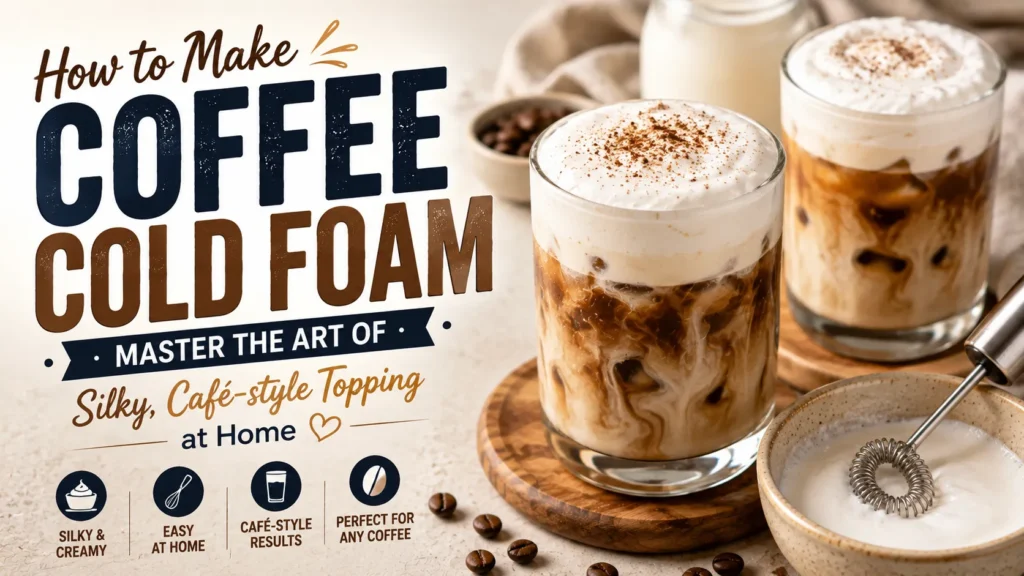
Contact Us Jump To How to Make Coffee Cold Foam: Master the Art of Silky, Café‑style Topping at Home Ever wondered how baristas create that velvety crown atop your iced latte? Learning how to make coffee cold foam is easier than you think, and…
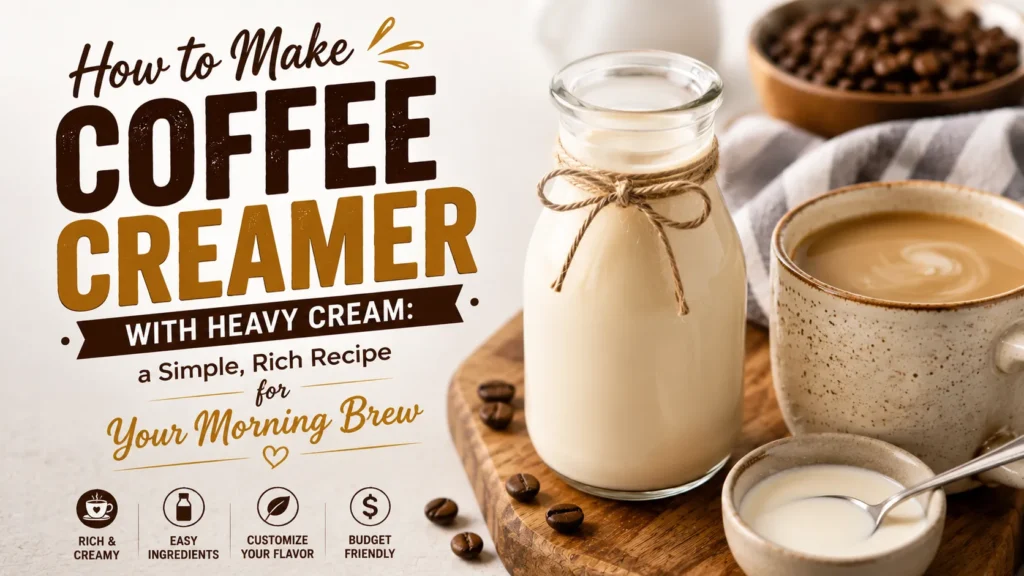
Contact Us Jump To How to Make Coffee Creamer with Heavy Cream: a Simple, Rich Recipe for Your Morning Brew Key Takeaways: Heavy cream creates a luxuriously smooth, velvety coffee creamer that blends seamlessly with hot or cold coffee. Only three basic ingredients are…

Explore the world of coffee with honest reviews and practical advice. Find your perfect cup, one bean and machine at a time.