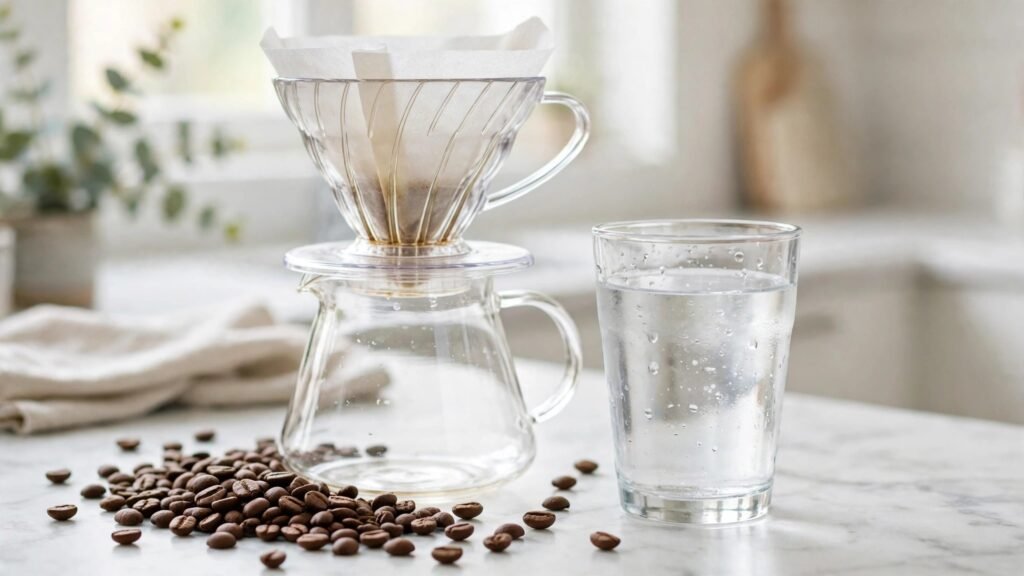
So why does my coffee taste sour? In most cases, the answer is simple. Your coffee is under-extracted. That means the water did not pull enough flavor from the grounds. The sharp, tangy acids came out first. The rounder, sweeter flavors did not get a chance to follow. The result tastes thin, sharp, and unfinished. The good news is that this is easy to fix. You do not need new beans or new gear. You just need to change one thing at a time, in the right order.
Sour vs Bitter: How to Tell Them Apart
Sour and bitter get mixed up a lot. They are not the same problem. They also need opposite fixes. That is why this step comes first. If you fix the wrong one, your coffee can taste worse.
Sour coffee tastes sharp and tangy. It can remind you of lemon or green apple. It often feels thin in your mouth. It can also leave a puckering feeling on your tongue.
Bitter coffee tastes harsh and dry. It can remind you of dark cocoa or burnt toast. It often feels heavy and rough. It can leave a dry feeling at the back of your mouth.
Here is a quick way to compare them:
| Clue | Sour coffee | Bitter coffee |
|---|---|---|
| Main taste | Sharp, tangy | Harsh, dry |
| Mouthfeel | Thin, light | Heavy, rough |
| Common cause | Under-extraction | Over-extraction |
| First fix | Grind finer | Grind coarser |
| Brew time | Often too short | Often too long |
If your cup tastes sharp and thin, you are likely dealing with sourness. If it tastes harsh and dry, read our guide on why does my coffee taste bitter. That guide covers the opposite fix in full.
What Under-Extraction Actually Means
Extraction is a simple idea. Hot water passes through coffee grounds. As it passes, it pulls out flavor compounds. Some compounds dissolve fast. Others dissolve more slowly.
Acids and bright flavors dissolve first. Sweetness and body come next. Heavy, bitter compounds come last. A balanced cup gets a good share of each stage.
Under-extraction stops the process too early. The water pulls the bright acids. It misses much of the sweetness and body. That leaves a cup that tastes sharp and hollow.
Under-extraction is common with new brewers. It is also common after a small change. A coarser grind, cooler water, or a rushed brew can all cause it. None of these mean your beans are bad. They just mean your brew needs a small tweak.
The Fix Order That Works
Change one variable at a time. That sounds slow, but it saves time in the end. If you change three things at once, you will not know what helped. You may also overshoot and land on bitter coffee.
Use this order:
- Grind finer first.
- Check water temperature next.
- Adjust brew time next.
- Check your coffee-to-water ratio last.
Grind size has the biggest effect for most home brewers. Start there. Move to the next step only if the cup still tastes sour.
Step 1: Grind Finer First
A finer grind gives water more surface to work with. More surface means faster, fuller extraction. This is the fastest way to fix a sour cup.
Make one small change. Move one or two clicks finer on your grinder. Brew again and taste. Do not jump straight to a powder-fine grind. Too fine can clog your brewer. It can also push you past balanced and into bitter.
For pour over, a fine shift often helps a slow, sour drawdown. For French press, go only a little finer. A very fine grind makes pressing hard. It can also leave a lot of sludge in your cup.
If you do not have a grinder, ask for a finer grind at the shop. Tell them your brew method. Grind size should match the brewer you use at home.
Step 2: Check Your Water Temperature
Cool water extracts slowly. If your water is too cool, it will not pull enough flavor. That can leave a sour, weak cup.
As a general guide, aim for water between 195°F and 205°F. You do not need a fancy kettle to get close. Let a boiled kettle sit for about 30 seconds. Then pour. That usually lands in a good range.
Do not use boiling water straight off a rolling boil for delicate coffee.
Step 3: Give It More Time
Brew time matters, but it works with grind size. A coarse grind needs more time. A fine grind needs less time. If your brew runs too fast, extraction stays low.
For pour over, a very fast drawdown is a clue. The water may be rushing past the grounds. A finer grind slows it down. It also gives water more contact time.
For French press, try a slightly longer steep. Add 30 seconds and taste again. Small steps work better than big jumps.
For espresso, a very fast shot often tastes sour. The water passes through too quickly. A finer grind usually slows the shot down. It also helps the shot taste fuller.
Step 4: Check Your Ratio
Ratio means how much coffee you use for how much water. Too little coffee can taste thin and sour. The water has less to work with. The cup can taste watery and sharp.
A common starting point is about 1 gram of coffee for every 16 grams of water. You can also use roughly 2 tablespoons of ground coffee per 6 ounces of water. Use a scale if you have one. It makes your results repeatable.
If your cup tastes thin as well as sour, try a little more coffee. Add a small amount and brew again. Keep your grind and time the same for that test.
Other Reasons Your Coffee Tastes Sour
Grind, heat, time, and ratio fix most cases. A few other factors can still play a role. Check these if the main fixes do not help.
- Very light roast beans: Light roasts often taste brighter and more acidic by nature. That brightness is normal for the roast style.
- Uneven grind: Mixed fine and coarse bits extract at different rates. The coarse bits can stay under-extracted.
- Channeling in pour over: Water can find a fast path through the bed. Some grounds then get bypassed.
- Stale or old grounds: Pre-ground coffee loses flavor over time. Freshly ground coffee usually tastes fuller.
- Hard or odd-tasting water: Water makes up most of your cup. Flat or strange water can dull sweetness.
- A dirty brewer: Old oils and residue can add sharp, off flavors. Rinse and clean your brewer on a regular schedule.
None of these need a big purchase to fix.
Quick Fixes by Brew Method
Each brewer has its own weak spot. Use this table as a shortcut. Pick your method and try the first fix.
| Brew method | First thing to try | If it still tastes sour |
|---|---|---|
| Pour over | Grind one step finer | Slow your pour a little |
| French press | Steep 30 seconds longer | Grind slightly finer |
| Drip machine | Use freshly ground coffee | Warm the machine first |
| Espresso | Grind finer for a slower shot | Check your dose and tamp |
| Cold brew | Steep longer before tasting | Grind slightly finer |
Common Questions
Is sour coffee bad for you?
Sour taste alone does not mean the coffee is unsafe. It usually means the brew is out of balance. If the coffee smells off or tastes rancid, do not drink it. Fresh coffee should smell pleasant and clean.
Should I just add sugar to fix sour coffee?
Sugar can mask sourness, but it does not fix extraction. Fix the brew first. Then decide if you still want sugar. A balanced cup often needs less sweetener.
Will darker roast beans fix sour coffee?
Darker roasts often taste less bright. They can seem less sour at first. But roast alone does not fix under-extraction. A dark roast brewed too coarse can still taste sour and thin.
Can bad beans cause sour coffee?
Old or poorly stored beans can taste flat or stale. They rarely cause sharp sourness on their own. Brew variables are the more likely cause. Fix grind, heat, and time before you blame the bag.
The Simple Rule to Remember
Sour coffee is not a mystery. It is not a sign of bad beans in most cases. It is a sign that extraction stopped too early.
Start with a finer grind. That one change fixes many sour cups. Then check your water heat. Then adjust time and ratio in small steps. Taste after each change. Stop when the cup tastes round and sweet, not sharp.
If your next cup swings too far and tastes harsh, you have gone past balanced. That is useful feedback, not failure. Step back toward your last good setting. For that problem, see our guide on why does my coffee taste bitter.
For broader brew help, see how to make coffee better. Small, steady tweaks beat big, random changes. Your best cup is usually one small fix away.
For further industry guidance on coffee standards, see the Specialty Coffee Association.