
If your morning cup tastes flat, bitter, or just boring, the beans are usually to blame — not your brewer. More often than not, a better cup comes down to picking the right arabica coffee beans: fresh, honestly labeled, and roasted for the flavor you actually enjoy.
This guide is for everyday coffee drinkers who want a better daily cup without turning into coffee scientists. Below are our 10 top picks for 2026 — from budget-friendly daily drinkers to one genuine splurge — plus a straightforward buying guide so you can choose with confidence.
Key Takeaways
When we say “durable” coffee beans, we mean beans that hold their freshness, aroma, and flavor over time. The Arabica beans that stay fresh longest tend to share a few traits:
Beans grown at high altitude — think Colombia, Ethiopia, Guatemala — are denser and usually better handled, so they age more gracefully.
Medium to medium-dark roasts hold up better than very light ones. That slightly deeper roast protects the beans’ character during storage.
Airtight bags with one-way valves keep oxygen and moisture out while letting CO2 escape — so the beans stay fresh longest.
Single-origin specialty Arabica with a visible roast date beats low-cost blends with no freshness info, almost every time.
And small-batch roasted beans tend to arrive fresher, simply because less time passes between roasting and shipping.
Bottom line: altitude, roast level, packaging, and a real roast date are what keep Arabica tasting great weeks after roasting.
The right Arabica can make your daily cup noticeably better. Plenty of brands sell 100% Arabica beans, but only a few combine honest labeling, consistent roasting, and real freshness. We compared sourcing, roast profiles, packaging, and verified buyer feedback — here are our 10 picks for 2026, each matched to the drinker it’s best for.
Quick picks:
Compare all 10 at a glance:
| # | Coffee | Roast | Form | Best For |
|---|---|---|---|---|
| 1 | Illy Classico Whole Bean Coffee | Medium | Whole bean | Balanced everyday flavor |
| 2 | Lavazza Qualità Oro | Medium | Whole bean or ground | Smooth, aromatic cup |
| 3 | Deep Rich Breakfast Blend | Medium | Whole bean | Easy-drinking morning brew |
| 4 | Purity Coffee FLOW | Medium | Whole bean | Organic, purity-tested beans |
| 5 | Real Good Coffee Company | Medium-dark | Ground | Convenience — no grinder needed |
| 6 | Lavazza Espresso Whole Bean | Medium | Whole bean | Classic Italian-style profile |
| 7 | Above Coffee (Brazil) | Medium | Whole bean | Smooth Brazilian single origin |
| 8 | Koffee Kult Dark Roast | Dark | Whole bean | Bold espresso shots |
| 9 | Imagine Kona Organic | Medium-dark | Whole bean | Premium gift or special occasions |
| 10 | Tim Hortons 100% Arabica | Medium | Whole bean | Affordable daily drinking |
We compared sourcing, roast profiles, packaging, and verified buyer feedback across dozens of options to find the best Arabica coffee beans you can actually buy in 2026. We focused on products that clearly label 100% Arabica, come from transparent brands, and are easy to order online.
Bean quality came first. The best Arabica usually grows at high altitude — Brazil, Colombia, Ethiopia, and similar regions known for smooth, flavorful coffee. We also weighed roast consistency, because even great beans taste off when they’re roasted badly. Medium roasts were the most balanced and broadly appealing.
Freshness mattered too. We favored whole beans with visible roast dates and sealed valve packaging — whole beans hold their aroma far longer than pre-ground coffee.
And we looked at brewing versatility and value. The best picks deliver smooth taste, balanced acidity, and good aroma across drip, French press, pour over, and espresso — no harsh bitterness — at a fair price for their tier.
Illy Classico Whole Bean Coffee is one of the most trusted names you’ll find on Amazon in 2026. Made from 100% Arabica beans, it delivers rich aroma, gentle sweetness, and the classic balanced profile Illy is known for.
This arabica coffee is perfect for:
Usually mid-range for quality Arabica on Amazon. Prices shift often, so check the current price via the button. Look for “100% Arabica” on the label when ordering.
| 👍 Pros | 👎 Cons |
| ✔ Smooth, balanced flavor ✔ Great aroma when freshly ground ✔ Works with every brew method | ✘ Needs grinding before brewing ✘ Priced above budget blends |
Illy Classico Whole Bean Coffee is our best overall pick for 2026 — dependable, smooth, and easy to find. A solid choice for beginners and enthusiasts alike.
Wondering where to buy Arabica coffee beans you can trust? Lavazza Qualità Oro is one of the safest bets on Amazon in 2026. It’s made from 100% Arabica beans sourced mainly from Central and South America, and it’s known for a smooth cup with a light, fruity aroma.
Usually mid-range on Amazon, sold in 2.2 lb and smaller packs. Prices change frequently — check the live price.
| 👍 Pros | 👎 Cons |
| ✔ Balanced flavor ✔ Trusted Italian brand ✔ Great daily drinker | ✘ Not bold enough for dark-roast lovers |
A reliable, no-regrets pick — and a solid answer to where to buy Arabica coffee beans in 2026.
Deep Rich 100% Arabica Breakfast Blend is a popular pick on Amazon in 2026. These medium-roasted whole beans brew a smooth, well-balanced cup that’s made for slow mornings.
Usually mid-range for 100% Arabica on Amazon; commonly sold in 12 oz or 2 lb bags. Check the current price — it varies by seller and size.
| 👍 Pros | 👎 Cons |
| ✔ Genuine 100% Arabica taste ✔ Whole beans stay fresher ✔ Balanced everyday flavor | ✘ Requires a grinder ✘ Too mild for espresso-style intensity |
A great breakfast blend for 2026 if you want fresh, smooth, no-fuss Arabica for your daily brew.
If purity matters as much as flavor to you, Purity Coffee FLOW Original Medium Roast stands out. It’s made from 100% specialty-grade organic Arabica beans that the brand markets as third-party tested for mold and mycotoxins — a rare transparency claim at this price.
Typically mid-to-premium on Amazon, in 12 oz bags and larger packs. Check the live price for your size.
| 👍 Pros | 👎 Cons |
| ✔ USDA Organic Arabica ✔ Purity-testing transparency ✔ Smooth medium-roast flavor ✔ Ethical sourcing | ✘ Costs more than basic brands ✘ Whole beans need grinding |
The best choice when clean, transparently sourced Arabica is your top priority — smooth flavor, with extra peace of mind if you’re health-conscious.
No grinder? No problem. Real Good Coffee Company 100% Arabica Ground Coffee is one of the best ready-to-brew ground Arabica options on Amazon in 2026 — roasted and ground for convenience, so you can brew immediately.
Usually mid-range on Amazon; commonly around 2 lb / 32 oz bags. Check the current price.
| 👍 Pros | 👎 Cons |
| ✔ No grinder needed ✔ Smooth, rich 100% Arabica flavor ✔ Good for daily drinkers | ✘ Less fresh than beans ground at home ✘ Not ideal for bold-espresso fans |
The best ground Arabica pick for 2026: genuine 100% Arabica flavor with zero equipment beyond your brewer.
Ask around about the best coffee bean brands for 100% Arabica on Amazon, and Lavazza Espresso Whole Bean Coffee comes up again and again. This classic Italian whole-bean coffee suits daily brewing, espresso, and milk-based drinks alike.
Usually mid-range to premium on Amazon; popular in 2.2 lb (1 kg) and smaller packs. Check the live price.
| 👍 Pros | 👎 Cons |
| ✔ Smooth, balanced, versatile ✔ 100% Arabica ✔ Consistent, trusted brand | ✘ Not as bold as dark roasts ✘ Needs grinding before use |
One of the most respected coffee bean brands for everyday 100% Arabica — a classic Italian profile at a fair price.
For rich, smooth Brazilian arabica coffee, Above Coffee 100% Arabica Whole Bean is a strong Amazon pick in 2026. Grown in Brazil’s well-known coffee regions and roasted for a mellow, balanced cup with gentle sweetness — it’s textbook South American Arabica.
Usually mid-range on Amazon. Whole bean only — grind fresh before brewing. Check the current price.
| 👍 Pros | 👎 Cons |
| ✔ Genuine Brazilian Arabica ✔ Smooth, low-acid flavor ✔ Beans stay fresher longer | ✘ Needs a grinder ✘ Slightly pricier than basic blends |
A strong Brazilian single-origin choice for 2026 — balanced flavor and responsible sourcing in every cup.
If you like your brews bold, Koffee Kult Dark Roast Whole Bean Coffee is one of the top-rated 100% Arabica dark roasts on Amazon in 2026. The dark roast brings out rich, full flavor that stands up to the high pressure of espresso machines — a favorite among home espresso lovers.
Usually mid-range on Amazon in 2026; commonly 12 oz or 2 lb bags. Check the live price.
| 👍 Pros | 👎 Cons |
| ✔ Bold flavor built for espresso ✔ 100% Arabica aroma and taste ✔ Fresh whole beans | ✘ Too strong for light-coffee drinkers ✘ Requires a grinder |
One of the best Arabica beans for espresso in 2026 — bold, aromatic, and built for pressure brewing without losing Arabica’s smoothness.
When people talk about the best arabica beans in the world, Imagine Kona Organic Coffee Beans belong on the shortlist. Grown in Hawaii’s Kona district in rich volcanic soil, these beans are known for a smooth, complex cup with natural sweetness. Kona is consistently ranked among the world’s finest Arabica for its terroir and strict quality standards.
Premium pricing on Amazon — notably higher than everyday blends, reflecting small-lot Hawaiian production. Check the current price.
| 👍 Pros | 👎 Cons |
| ✔ Unique Kona terroir and rich soil ✔ Refined, smooth, complex cup ✔ Organic and sustainable | ✘ Premium price ✘ Limited availability |
Among the best Arabica beans in the world you can buy in 2026 — a genuine splurge for serious drinkers.
For daily drinking on a budget, Tim Hortons 100% Arabica Whole Bean Coffee is hard to beat. It’s made only from selected Arabica beans, roasted for a smooth, balanced flavor — easy to drink, never harsh, and suits nearly every brew method.
Usually mid-range on Amazon — often more affordable than premium specialty brands. Widely available and easy to reorder. Check the current price.
| 👍 Pros | 👎 Cons |
| ✔ 100% Arabica ✔ Smooth, easy to drink ✔ Good value ✔ Works in drip machines and grinders | ✘ Not specialty/single-origin grade ✘ Mild for bold-espresso fans |
One of the best value picks for 2026 — consistent quality and smooth taste without the premium price tag.
Buying good Arabica gets a lot easier once you know what actually matters. Focus on the factors below — especially roast level, which shapes flavor more than almost anything else on the bag.
Roast level: Light roasts keep the bean’s origin character and brighter acidity; medium roasts balance sweetness and body (the safest bet for most brewers); dark roasts taste bolder and smokier but hide origin nuances. Match the roast to your brewer — medium for drip and pour over, dark for espresso-style intensity.
Always check the packaging — it should clearly say “100% Arabica.” Some brands blend in Robusta. For smoother flavor and better aroma, pure Arabica is the safer choice.
Freshness matters a lot. Look for a roast date on the bag — coffee tastes best within a few weeks of roasting. An expiry date alone tells you almost nothing about freshness.
Whole beans stay fresh longer because their natural oils stay protected inside. Buy whole bean and grind at home when you can. Ground coffee is convenient but loses flavor faster — use it within 1–2 weeks of opening.
High-altitude Arabica usually tastes better. Colombia, Ethiopia, Brazil, and Guatemala are famous for quality Arabica, and each region has a signature profile — fruity/floral (Ethiopia), smooth and balanced (Colombia), nutty and chocolatey (Brazil). Choose by the flavors you enjoy.
Good brands use airtight bags with one-way valves, keeping oxygen out and freshness in. Poor packaging can make even great beans taste stale.
That’s generally considered to be specialty-grade Arabica — graded by professionals at 80+ points on a 100-point scale.
Arabica is usually smoother, more aromatic, and more complex than Robusta, though quality also depends on farming, altitude, harvesting, and roast skill. Single-origin specialty Arabica from Ethiopia or Colombia is often ranked among the world’s best.
Any coffee labeled “100% Arabica” contains only Arabica beans — no Robusta. Plenty of trusted brands offer 100% Arabica options.
Examples include:
Always check the label to confirm it says 100% Arabica.
There’s no single “best” country — taste is personal. But these origins are widely respected:
Match the country to your taste preference.
A common mix-up: Colombian coffee is usually Arabica. “Arabica” is the bean type; “Colombian” is where it grew. So you’re really comparing origin, not bean type — and Colombian Arabica is known for smoothness and balance.
By popularity, quality, and global reputation, these origins are often counted among the world’s top coffees:
Each has a different flavor profile — the “best” is the one you enjoy most.
Arabica isn’t one single flavor. Different varieties and growing styles change the taste, aroma, and quality of the cup:
One of the oldest Arabica varieties — clean, sweet, and balanced, with mild, smooth acidity. Many modern Arabica types descend from it.
Slightly sweeter and more complex than Typica, often with fruity and chocolate notes. Widely grown across Central and South America.
Ethiopia is coffee’s birthplace, and its heirloom varieties are famous for floral aroma and fruity taste — a favorite among specialty-coffee lovers.
A premium variety prized for delicate, floral, tea-like notes. It’s expensive because of careful farming and limited harvests — the connoisseur’s choice.
Smooth, balanced flavor with mild acidity. Ideal for everyday drinking.
Nutty, chocolatey, low acidity — excellent for espresso and milk-based drinks.
Our recommendations are research-based. For every pick, we compare sourcing transparency (does the brand clearly label 100% Arabica and origin?), roast profile, packaging quality (roast dates, one-way valves), and verified buyer feedback. We stick to widely available, well-reviewed options from transparent brands.
We don’t run a tasting lab, and we don’t accept payment for placement. Every recommendation is chosen on quality signals you can check yourself — and we update our picks as products and availability change.
Our methodology comes down to research, product comparison, verified buyer reviews, and brand transparency — never medical claims or unrealistic promises.
For Keurig users: this roundup focuses on whole bean and ground coffee, but if you prefer K-Cups, the same rules apply — look for pods clearly labeled 100% Arabica from the trusted brands above, and brew them as fresh as possible. Whole beans will still taste fresher, but quality Arabica K-Cups can make a smooth, convenient cup.
There’s no officially ranked #1 — taste is personal. That said, Kona (Hawaii) and Ethiopian Yirgacheffe are consistently named among the world’s best Arabica for their smooth taste and distinctive aroma.
In specialty competitions, high-grade Geisha (Gesha) Arabica often earns the top scores for its floral aroma and complexity — though ratings shift yearly with harvest quality.
Brazil — it grows and exports a huge share of the world’s Arabica thanks to its climate and vast farmland.
Yes, generally. Arabica beans contain roughly half the caffeine of Robusta beans, which is one reason Arabica tastes smoother and less harsh. If you want maximum kick, Robusta blends deliver more caffeine — but with more bitterness.
Whole bean, if you own a grinder — it stays fresh far longer and tastes noticeably better. Buy ground only for convenience, and use it within 1–2 weeks of opening for the best flavor.
The best arabica coffee beans for you come down to taste, brewer, and budget — but the rules don’t change: look for 100% Arabica labeling, a real roast date, and a roast level that matches your brew method.
Whether you go Brazilian, Colombian, Ethiopian, or Hawaiian, freshness and honest sourcing matter more than marketing. Our top pick is still Illy Classico for dependable everyday flavor, Tim Hortons for value, and Imagine Kona for those times you want something extraordinary.
Brew fresh, grind right before brewing, and your morning cup will thank you.

Here’s a question most of us never actually answer: how much caffeine did you really have today? That morning latte, the mid-afternoon cold brew, the cola with lunch — they add up fast, and almost nobody does the math. So we built this caffeine calculator…
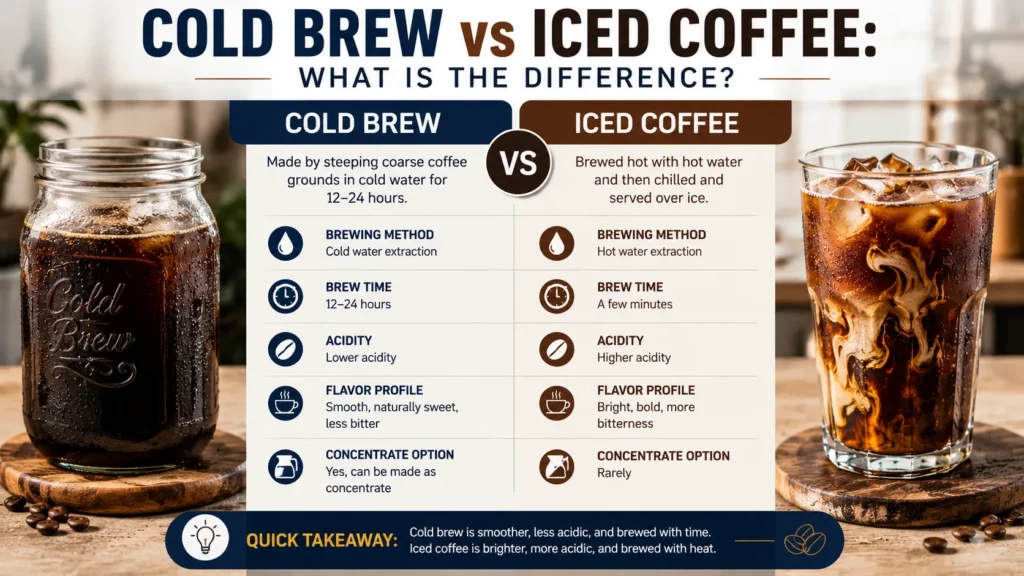
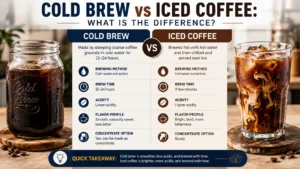
Cold brew vs iced coffee vs iced espresso — the summer menu looks simple until you have to choose. They all show up in a glass of ice. But they don’t taste the same, they aren’t made the same way, and they don’t take the…
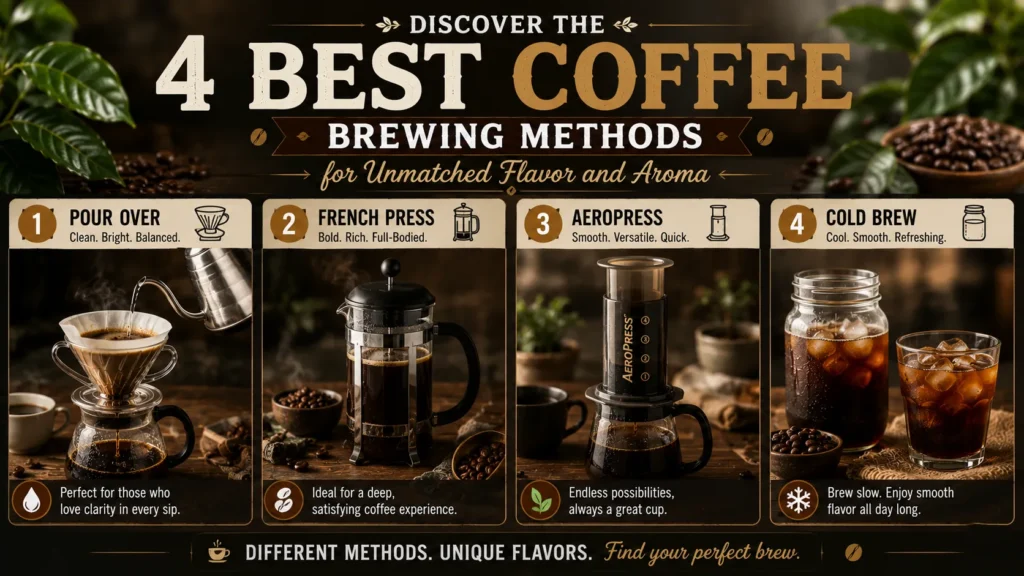
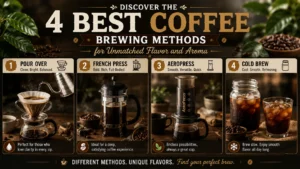
French press vs pour over vs espresso — three brewers, three very different cups of coffee. None of them is objectively “the best.” They just suit different mornings, different budgets, and different tastes. This guide compares all three honestly: how each one works, what the…

Explore the world of coffee with honest reviews and practical advice. Find your perfect cup, one bean and machine at a time.