
Weak, bitter, or gritty coffee usually isn’t a bean problem — it’s a brewer problem. A good French press fixes all three: full immersion brewing pulls deep flavor and natural oils from the grounds, giving you a rich, full-bodied cup that drip machines and pods rarely match. No electricity, no paper filters, no complications.
But not every press brews the same cup. Cheap models lose heat in minutes, let sludge through the filter, or crack after a few months. This guide compares the 10 best French press coffee makers for 2026 — from budget glass classics to insulated stainless steel workhorses — based on build quality, filtration, heat retention, ease of use, and aggregated buyer feedback. You’ll come away knowing exactly which press fits your budget, your kitchen, and your mornings.
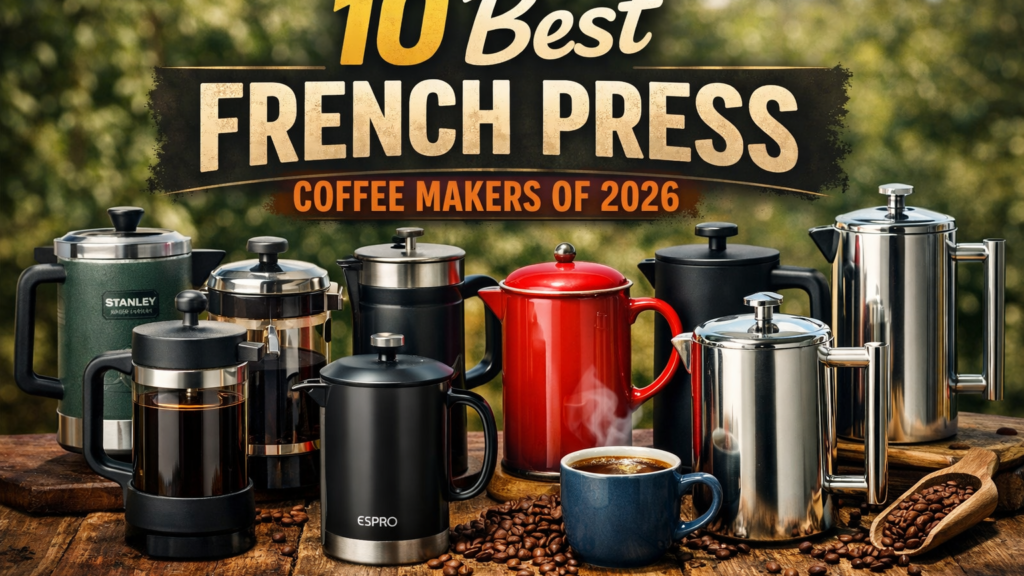
Compare all 10 at a glance:
| # | French Press | Material | Capacity | Filter | Price Range | Best For |
| 1 | Espro P3 | Glass + frame | 18–32 oz | Double micro-filter | ~$40–70 | Cleanest cup, best overall |
| 2 | Secura | Stainless steel (double-wall) | 34 oz+ | Triple-layer mesh | ~$30–45 | Durability + heat retention |
| 3 | Barista Warrior | Stainless steel (vacuum insulated) | 34 oz | Multi-layer mesh | ~$40–55 | Premium feel, large batches |
| 4 | Bodum Chambord | Borosilicate glass | Various | Fine mesh | ~$35–50 | Classic design, pure flavor |
| 5 | Bodum Brazil | Glass + plastic frame | Various | Mesh | ~$20–30 | Budget / beginners |
| 6 | Fellow Clara | Stainless steel (insulated) | ~24 oz | Mesh + agitation | ~$90–110 | Design + easy cleaning |
| 7 | Veken | Glass + stainless frame | ~34 oz | 4-level mesh | ~$25–35 | Value, family size |
| 8 | Stanley Classic | Stainless steel (vacuum) | Large | Mesh | ~$45–55 | Camping / travel |
| 9 | GROSCHE | Glass + stainless frame | Various | Fine mesh | ~$30–40 | Balanced mid-range |
| 10 | Cafe Du Chateau | Glass + stainless housing | 34 oz | 4-level mesh | ~$35–45 | All-round stainless + tea |
Our picks below are based on comparing build quality, filtration design, heat retention, ease of use, and aggregated buyer feedback — not paid placements. Prices shift often, so check the current price before buying.
If gritty, muddy French press coffee bothers you, the Espro P3 is the upgrade worth making. Most presses use a basic mesh screen; Espro uses a double micro-filter system that blocks fine grounds and sludge far more effectively. You keep the bold French press body, but the cup finishes noticeably cleaner — closer to café quality.
Features
Who it’s for
Specs: Material: glass + frame · Filter: double micro-filter · Capacity: 18–32 oz options · Price range: ~$40–70
Pros
Cons
Also consider: Secura (more durable), Fellow Clara (insulated + stylish), Bodum Chambord (classic glass)
Verdict: The best overall French press for 2026 — bold flavor without the grit that ruins cheaper presses.
When durability matters most, the Secura Stainless Steel French Press is hard to beat. The double-wall stainless steel body shrugs off drops that would shatter glass, and it keeps coffee hot noticeably longer. A triple-layer filter and included spare screens round out a package built for years of daily use.
Features
Who it’s for
Specs: Material: food-grade stainless steel · Filter: triple-layer mesh · Capacity: commonly 34 oz+ · Price range: ~$30–45
Pros
Cons
Also consider: Barista Warrior (more premium), Stanley Classic (outdoor use), Fellow Clara (design-forward)
Verdict: The safest stainless steel investment — durability and heat retention at a fair price.
The Barista Warrior is for brewers who want a press that feels as serious as their coffee habit. The double-wall vacuum-insulated stainless body holds heat exceptionally well, the 34 oz capacity covers families and guests, and the whole thing feels solid and professional in hand.
Features
Who it’s for
Specs: Material: vacuum-insulated stainless steel · Filter: multi-layer mesh · Capacity: 34 oz · Price range: ~$40–55
Pros
Cons
Also consider: Secura (better value steel), Fellow Clara (design + insulation), Espro P3 (cleaner cup)
Verdict: A top premium pick — professional feel, serious heat retention, and consistent brewing.
The Bodum Chambord is the icon — the press most people picture when they hear “French press.” The borosilicate glass carafe resists thermal shock, the steel frame is timeless, and the cup is the pure, full-flavored classic that made the method famous.
Features
Who it’s for
Specs: Material: glass + stainless frame · Filter: fine mesh · Capacity: various sizes · Price range: ~$35–50
Pros
Cons
Also consider: Bodum Brazil (cheaper), Espro P3 (cleaner cup), Fellow Clara (insulated upgrade)
Verdict: The classic for a reason — authentic flavor, beautiful design, proven reliability.
The Bodum Brazil proves good French press coffee doesn’t require a big budget. Same borosilicate glass brewing chamber as its pricier sibling, a simple plastic frame, and a proper steel plunger — it brews a genuinely good cup for the price of a few café lattes.
Features
Who it’s for
Specs: Material: glass + plastic frame · Filter: mesh · Capacity: various sizes · Price range: ~$20–30
Pros
Cons
Also consider: Bodum Chambord (sturdier frame), Veken (better filtration), Secura (durability)
Verdict: The best budget French press — an ideal, low-risk entry into the method.
The Fellow Clara is the design-forward press: matte black insulated steel, an all-direction pour lid, a non-stick interior for easy cleaning, and even a built-in agitation stick for more even extraction. It looks like modern kitchenware because it is — and it brews a genuinely balanced cup.
Features
Who it’s for
Specs: Material: insulated stainless steel · Filter: mesh + agitation · Capacity: ~24 oz · Price range: ~$90–110
Pros
Cons
Also consider: Barista Warrior (larger, similar insulation), Secura (cheaper insulated), Espro P3 (cleaner cup)
Verdict: Style, insulation, and ease of use in one — the most refined press here, at a premium price.
The Veken packs a lot into a budget price: a 4-level stainless steel filter for cleaner coffee, a thick borosilicate glass carafe, a sturdy steel frame, and thoughtful extras like ounce markings and a measuring scoop. At around 34 oz, it’s a family-size brewer for the price of a budget pick.
Features
Who it’s for
Specs: Material: glass + stainless frame · Filter: 4-level mesh · Capacity: ~34 oz (1 L) · Price range: ~$25–35
Pros
Cons
Also consider: Secura (insulated), Barista Warrior (premium steel), Fellow Clara (design-forward)
Verdict: The best value large press — better filtration and capacity than anything near its price.
Built like outdoor gear because it is: the Stanley Classic pairs a French press with Stanley’s legendary vacuum insulation and near-indestructible steel construction. It keeps coffee hot for hours and survives camping, road trips, and work sites.
Features
Who it’s for
Specs: Material: heavy-duty stainless steel · Insulation: vacuum double-wall · Capacity: large · Price range: ~$45–55
Pros
Cons
Also consider: Secura (lighter indoor steel), Barista Warrior (premium home), Fellow Clara (stylish insulated)
Verdict: The best French press for travel and outdoors — toughness and heat retention first.
GROSCHE sits in the sweet spot: better build and consistency than budget presses, without premium pricing. A borosilicate glass carafe, steel frame and plunger, and fine mesh filtration deliver dependable daily brewing — a sensible step up for regular drinkers.
Features
Who it’s for
Specs: Material: glass + stainless steel · Filter: fine mesh · Capacity: various sizes · Price range: ~$30–40
Pros
Cons
Also consider: Bodum Chambord (classic alternative), Veken (larger + better filter), Espro P3 (cleaner cup)
Verdict: A smart mid-range choice — dependable performance and fair pricing.
The Cafe Du Chateau blends a stainless steel housing with a glass carafe: 4-level filtration, 34 oz capacity, and dishwasher-safe parts. It even doubles as a loose-leaf tea brewer, making it one of the most versatile picks here.
Features
Who it’s for
Specs: Material: glass + 304 stainless frame · Filter: 4-level mesh · Capacity: 34 oz · Price range: ~$25–35
Pros
Cons
Also consider: Secura (better insulation), Espro P3 (cleaner cup), Stanley Classic (outdoor)
Verdict: A well-rounded all-rounder — strong filtration, big capacity, and fair pricing.
Basic single-mesh filters let fine grounds through (gritty cup). Multi-layer or micro-filter systems (Espro’s double micro-filter, 4-level designs) produce noticeably cleaner coffee. If you hate sediment, prioritize filtration over everything else.
Glass cools quickly; double-wall stainless keeps coffee hot much longer. Match this to your habit: fast drinkers won’t notice, slow sippers should insist on insulation.
Presses run from single-cup (~12 oz) to family-size (34–51 oz). Remember: a 34 oz press makes about four standard mugs. Buy for your usual brew, not the occasional crowd.
Fewer parts and simple filters clean fastest. Non-stick interiors (Fellow Clara) and dishwasher-safe components save daily effort — a real factor if you brew every morning.
To be transparent about how these picks are made: our recommendations are research-based, not lab-tested. For each press we compare build materials, filtration design, insulation specs, capacity, and aggregated buyer feedback from retail reviews and coffee communities. We weigh long-term reliability reports — how models hold up after months of daily use — and price-to-performance value.
We don’t operate a testing lab and we don’t accept payment for placement. Every pick is chosen on quality signals you can verify yourself, and we update recommendations as products change.
Match it to your routine: ~12–20 oz for one person, ~34 oz for two to four mugs (the most popular size), 51 oz for families or entertaining. Bigger isn’t better if you brew solo — coffee stales in an oversized press.
Neither is objectively better. Glass gives the purest flavor and lets you watch the brew, but breaks easily and cools fast. Stainless steel is tougher and holds heat longer, but costs more and hides the brewing. Choose glass for ritual and flavor clarity; steel for durability and heat.
A reliable starting ratio is 1:15 — about 1 gram of coffee per 15 grams of water (roughly 2 tablespoons of coarse grounds per 8 oz cup). Use coarse grounds, steep 4 minutes, then press slowly. Adjust stronger or milder from there.
Not ideally. Regular (fine) ground coffee slips through the mesh filter, producing bitter, gritty sludge. Always use coarse-ground coffee — about the texture of breadcrumbs — for a clean, balanced cup.
Scoop out the grounds (don’t wash large amounts down the sink), then disassemble the plunger and rinse everything with hot water. Most glass carafes and steel parts are dishwasher-safe, but hand-washing the filter screen keeps it performing longer. Deep-clean weekly if you brew daily.
French press coffee retains natural oils (cafestol) that paper filters remove, and high intake of unfiltered coffee is linked to higher LDL cholesterol in some studies. Moderate consumption — 1–2 cups daily — is generally considered fine for most people; if you have cholesterol concerns, talk to your doctor.
The right French press comes down to three decisions: glass or steel, what size, and how much heat retention you need. For the cleanest cup, the Espro P3 stands alone. For durability and heat, stainless picks like Secura and Barista Warrior are the smart money. For classic style on a budget, Bodum remains the safe choice — and for the outdoors, nothing beats Stanley.
Match the press to your mornings, use coarse grounds and a 4-minute steep, and a good French press will reward you with café-quality coffee for years.


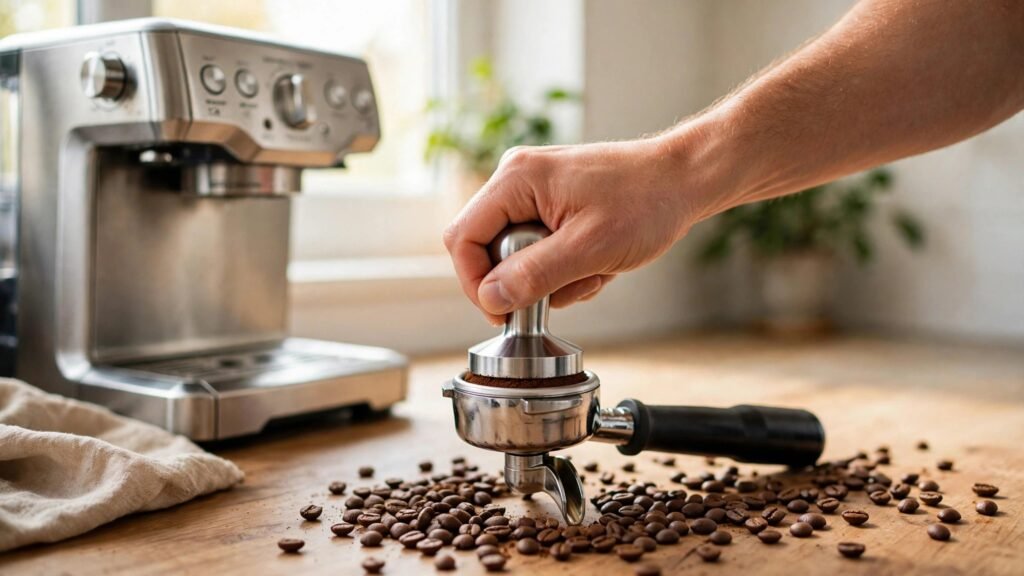
Jump To How to Tamp Espresso: Level, Even and Repeatable — the Pressure Number Matters Less Than You Think How to tamp espresso is one of the first skills a home barista learns, and one of the most overcomplicated. Tamping means pressing the ground coffee…
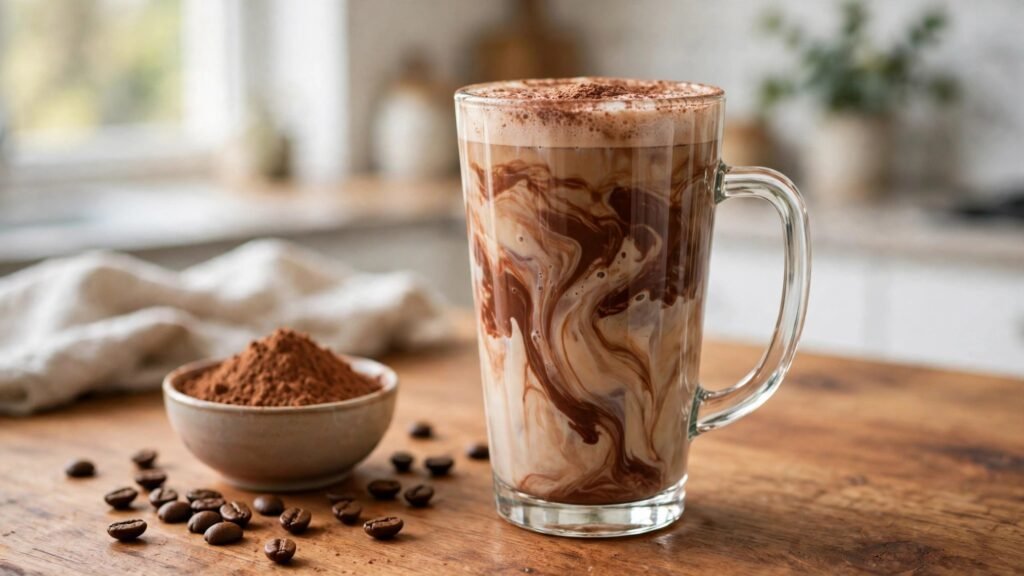
Jump To What Is a Mocha Coffee? The Drink, the Name, and How It Differs From a Latte What is a mocha coffee? It is an espresso drink made with steamed milk and chocolate — a latte with chocolate in it, in plain terms. A…
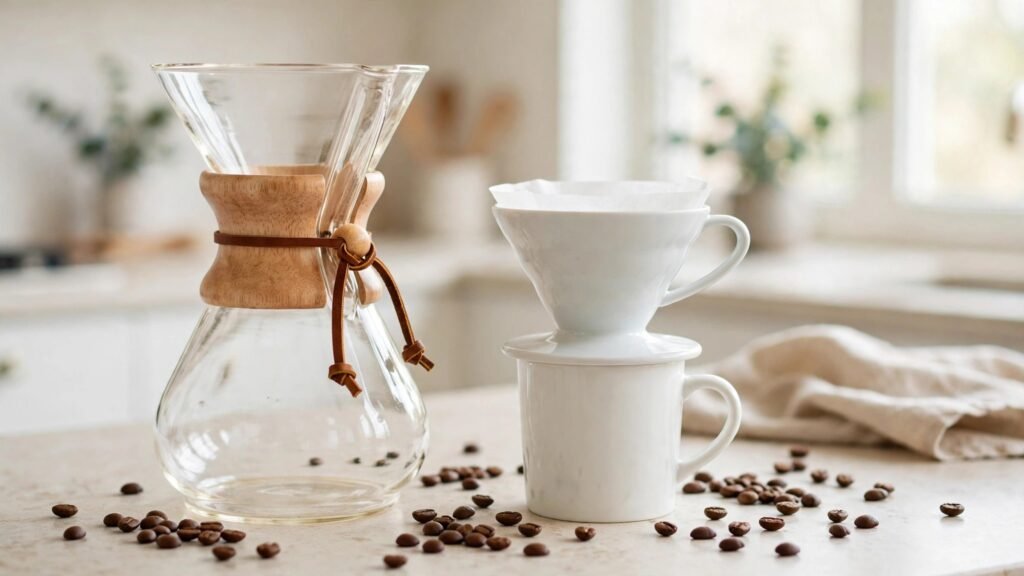
Jump To Chemex vs V60: Which Pour-Over for Your Taste, Your Patience and Your Household Size? A Chemex vs V60 choice is really about the filter. Both brewers are pour overs. Both use hot water, ground beans, and gravity. The difference is what sits between…

Explore the world of coffee with honest reviews and practical advice. Find your perfect cup, one bean and machine at a time.