
Key Takeaways:
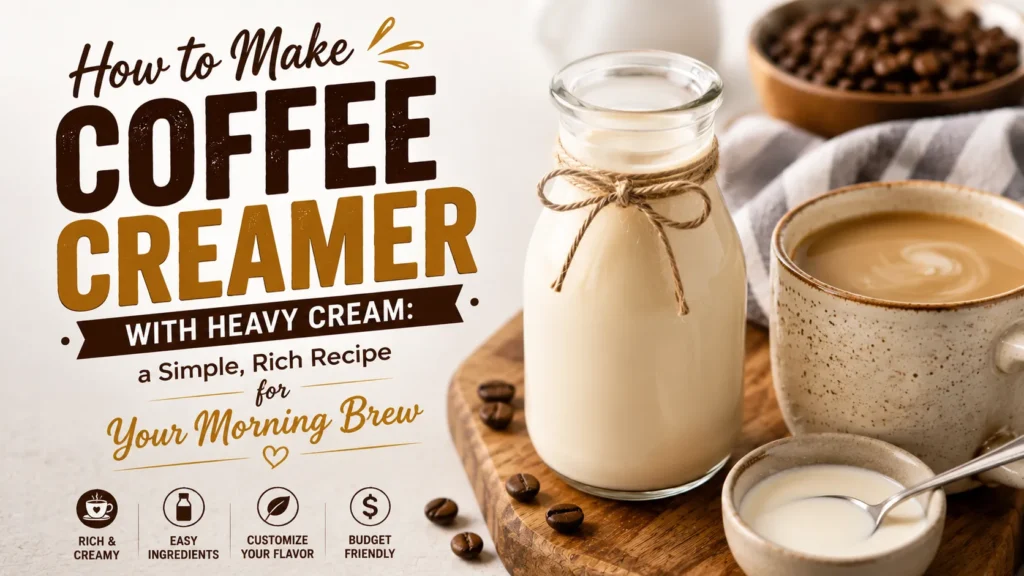
Imagine pouring a silky, decadent stream into your morning cup and watching it swirl into a perfect latte‑like finish—all without leaving your kitchen. That moment is achievable when you learn how to make coffee creamer with heavy cream. The technique is straightforward, yet the result feels indulgent enough for a café specialty.
Heavy cream possesses a high fat content, typically ranging from 36% to 40%. This fat coats the tongue, delivering a rich mouthfeel that lighter dairy or plant‑based alternatives struggle to match. When combined with a modest amount of sweetener, the cream’s natural sweetness emerges, reducing the need for added sugar. Furthermore, the fat stabilizes the mixture, preventing curdling when it meets hot coffee.
In addition, heavy cream is low in lactose relative to milk, making it easier to digest for many individuals who are sensitive to lactose. As a result, the creamer remains smooth even after refrigeration, and it reheats without separating. Consequently, many home baristas prefer heavy cream as the foundation for their homemade coffee creamer.
Below is a detailed, foolproof method that yields approximately two cups of creamer. Feel free to double the batch if you entertain guests or enjoy multiple cups throughout the day.
As a result, you now have a batch of homemade coffee creamer that rivals any store‑bought version in richness and flavor.
Once you master the basic recipe, experimenting with flavors becomes a delightful culinary adventure. Below are several popular variations, each designed to complement different coffee profiles.
Scrape the seeds from one vanilla bean into the cream before heating. The specks add visual appeal and an intensified vanilla note. Follow the same steps as the base recipe.
Add 2 tablespoons of hazelnut syrup or 1 ½ teaspoons of hazelnut extract to the warm cream after removing it from the heat. For a deeper nutty aroma, toast ¼ cup hazelnuts, grind them finely, and steep them in the cream for 10 minutes before straining.
Stir in 1 tablespoon of unsweetened cocoa powder and 1 tablespoon of chocolate syrup while the cream is heating. Whisk continuously to avoid lumps. Finish with a dash of cinnamon for a mocha‑spiced twist.
Add ½ teaspoon ground cinnamon and a pinch of nutmeg to the cream before heating. For extra warmth, include a single star anise pod while simmering, then remove it before bottling.
Replace ¼ cup of the heavy cream with an equal amount of coconut milk for a tropical undertone. Add zest of one lime and 1 teaspoon coconut extract after heating.
Furthermore, you can combine multiple flavorings—such as vanilla and hazelnut—to create signature blends that match your mood or the season.
Proper storage ensures that your heavy cream coffee creamer remains safe, tasty, and texturally pleasing.
As a result, you can enjoy a consistent, high‑quality creamer throughout the week without frequent preparation.
Understanding the nutritional profile helps you fit the creamer into your dietary goals.
| Nutrient | Amount per 2 Tbsp (30 ml) |
|---|---|
| Calories | 100 kcal |
| Total Fat | 11 g |
| Saturated Fat | 7 g |
| Cholesterol | 40 mg |
| Carbohydrates | 2 g (from sweetener) |
| Sugar | 2 g |
| Protein | 1 g |
Moreover, the fat content contributes to satiety, which may help curb mid‑morning cravings. Adjust the sweetener amount to control sugar intake, or substitute with a low‑calorie alternative like erythritol or stevia.
Even a simple recipe can encounter pitfalls. Below are frequent issues and practical solutions.
If the creamer separates after refrigeration, it is often due to rapid temperature changes. To prevent this, cool the mixture gradually before sealing and avoid placing hot jars directly into a cold fridge. Instead, let them sit on the counter for 10‑15 minutes, then transfer to the refrigerator.
Undissolved sweetener can create a gritty mouthfeel. Ensure the sweetener fully dissolves while the cream is warm but not boiling. Using superfine sugar or a liquid sweetener (such as agave syrup) reduces this risk.
Adding too much extract or spice can dominate the coffee’s natural taste. Start with half the suggested amount, taste, and then increase incrementally. Remember that flavors intensify slightly after chilling.
Storing the creamer in a porous container or failing to seal it properly invites oxidation and bacterial growth. Always use a clean, airtight glass jar and keep it away from strong‑smelling foods.
By heeding these tips, you will maintain a consistently smooth and delicious creamer.
We consulted several coffee professionals and home‑brew enthusiasts to gather their perspectives on homemade heavy cream creamer.
“Making your own creamer lets you control the quality of every ingredient. You avoid preservatives, artificial flavors, and excess sugars that many commercial products rely on. The result is a cleaner taste that truly enhances the coffee rather than masking it.” – Elena Martinez, Specialty Coffee Trainer
Furthermore, the ability to adjust fat content and sweetness on the fly means you can tailor the creamer to different brewing methods—espresso, pour‑over, or cold brew—without compromising flavor balance.
In addition, homemade creamer supports sustainability. By reusing glass jars and buying heavy cream in larger, recyclable containers, you reduce single‑use plastic waste associated with store‑bought bottles.
Half‑and‑half contains roughly 10‑12% fat, which yields a lighter creamer. While it works, the mouthfeel will be less rich and the mixture may separate more easily when mixed with hot coffee. For the velvety texture described in this guide, heavy cream is the preferred choice.
The cream is heated just enough to dissolve the sweetener, not to pasteurize it fully. However, store‑bought heavy cream is already pasteurized, so heating it briefly does not introduce safety concerns. If you use raw (unpasteurized) cream, bring the mixture to a gentle simmer (around 71 °C/160 °F) for at least one minute to ensure safety.
Blend equal parts full‑fat coconut milk and a neutral oil (such as grapeseed or refined avocado oil) to approximate the fat content of heavy cream. Add your sweetener and flavorings as directed. Keep in mind that coconut flavor may be noticeable; using refined coconut oil reduces this effect.
Yes. Dissolve one scoop of unflavored or vanilla whey (or plant‑based) protein powder in a small amount of warm cream before combining it with the rest of the mixture. This prevents clumping. Note that protein may slightly thicken the creamer; adjust with a splash of milk or water if needed.
Place the desired amount in a microwave‑safe mug and heat in 10‑second intervals, stirring between each interval, until warm. Alternatively, warm it gently in a small saucepan over low heat, whisking constantly. Avoid boiling, as high heat can cause the fat to separate.
Download a beautifully formatted PDF that includes the basic recipe, five flavor variations, and storage tips—perfect for sticking on your fridge or sharing with friends.
Download Your Free Creamer Guide
We respect your privacy. No spam, ever.
Finally, remember that the joy of coffee lies in the details. By mastering how to make coffee creamer with heavy cream, you add a personal touch that transforms an everyday cup into a moment of indulgence. Enjoy the creamy richness, experiment fearlessly with flavors, and savor each sip.




Contact Us Jump To How to Make Coffee Cold Foam: Master the Art of Silky, Café‑style Topping at Home Ever wondered how baristas create that velvety crown atop your iced latte? Learning how to make coffee cold foam is easier than you think, and…
Contact Us Jump To How to Make Coffee Creamer with Heavy Cream: a Simple, Rich Recipe for Your Morning Brew Key Takeaways: Heavy cream creates a luxuriously smooth, velvety coffee creamer that blends seamlessly with hot or cold coffee. Only three basic ingredients are…

Explore the world of coffee with honest reviews and practical advice. Find your perfect cup, one bean and machine at a time.