What Is a Mocha Coffee? The Drink, the Name, and How It Differs From a Latte
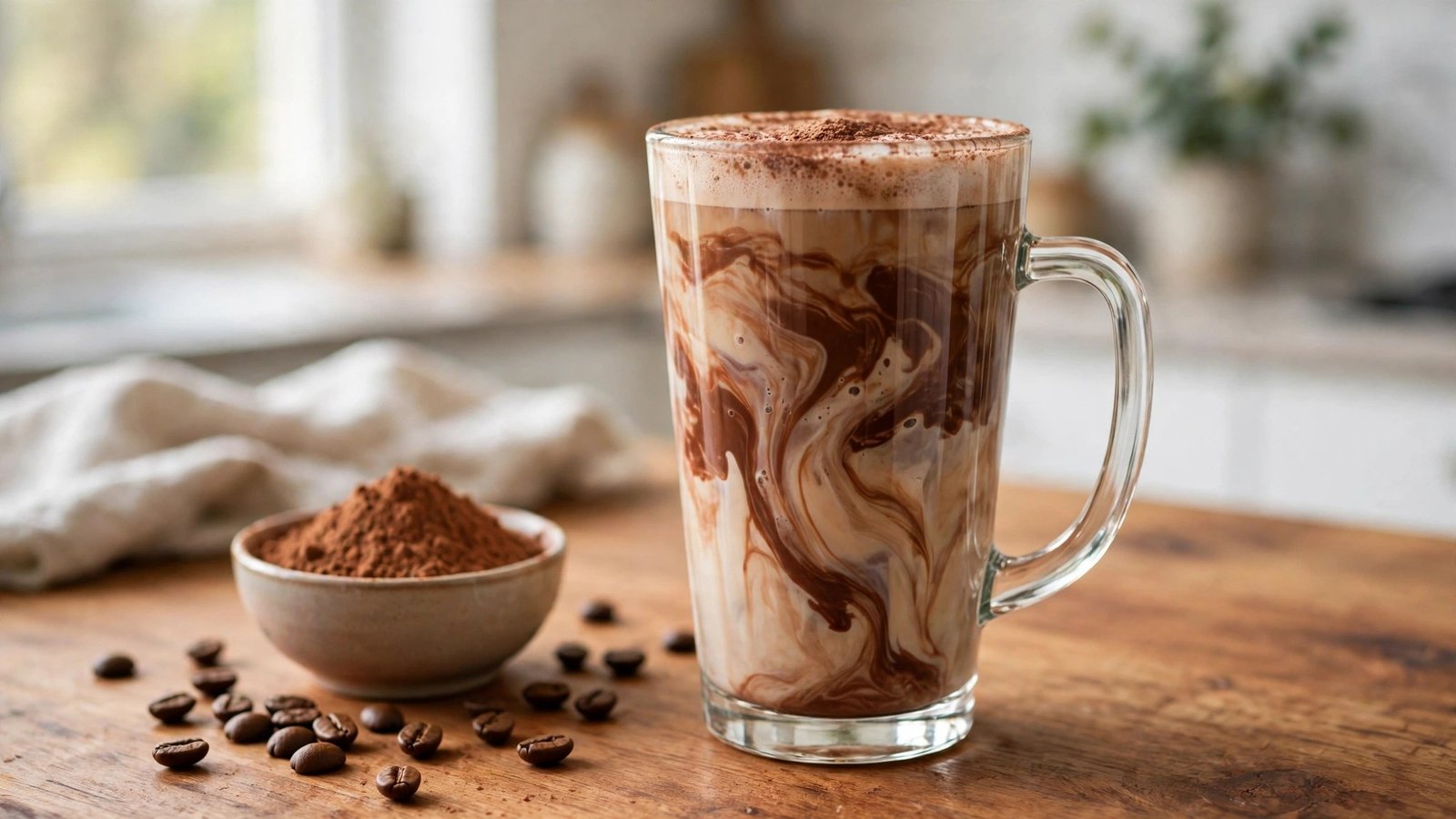
What is a mocha coffee? It is an espresso drink made with steamed milk and chocolate — a latte with chocolate in it, in plain terms. A café mocha starts with one or two shots of espresso, adds chocolate (cocoa powder or chocolate sauce), fills the cup with steamed milk, and often finishes with whipped cream. The name is older than the drink, though. “Mocha” first meant coffee from the Yemeni port of Mocha, and that history is half the story.
The Two Meanings of “Mocha”
The first meaning is a place. Mocha — Al-Makha — was a port on Yemen’s Red Sea coast, and from the 1400s to the 1700s it was the centre of the world’s coffee trade. Beans shipped from Mocha became known as “Mocha coffee.” Yemeni beans were famous for a winey, chocolatey character, and the name stuck to that flavour long after the port faded.
The second meaning is the drink on café menus today. A caffè mocha takes espresso, steamed milk, and chocolate and serves them together. It is sometimes called a mocha latte, and the name is fair: the build is a latte’s build, with chocolate added. When someone says “mocha” in a café, they mean the chocolate drink, not the Yemeni bean.
The two meanings are linked by flavour. Yemeni Mocha beans were described as chocolatey, so when cafés started mixing chocolate into espresso drinks, the old name fit. You do not need Yemeni beans to make a mocha today. Any espresso works. The chocolate is what makes it a mocha.
What Is in a Mocha?
A mocha has four parts, and the chocolate is the one that sets it apart.
- Espresso — one or two shots (about 30–60 ml), the base and the caffeine. A single shot carries roughly 60–75 mg of caffeine, so a double-shot mocha lands around 120–150 mg.
- Chocolate — cocoa powder or chocolate sauce, about 15–20 g of cocoa or 20–30 ml of sauce. Dark chocolate gives a richer, slightly bitter edge; milk chocolate makes it sweeter and softer.
- Steamed milk — roughly 150–240 ml, heated and lightly frothed like a latte’s milk. Whole milk gives the creamiest result; oat milk holds up well too.
- Whipped cream (optional) — a spoonful on top, sometimes with a dusting of cocoa or chocolate shavings. It is a garnish, not a requirement.
The chocolate goes in before the milk, so it melts into the hot espresso. That order matters: chocolate stirred into cold milk clumps, while chocolate met by hot espresso dissolves. Cafés use sauce because it mixes fast; home brewers often prefer cocoa powder, which gives a cleaner chocolate taste with less sugar. Either way, the drink should taste like coffee with chocolate in it, not like a hot chocolate that happens to contain coffee.
A plain mocha has no added syrup beyond the chocolate itself. Flavoured versions — peppermint mocha, salted caramel mocha — are seasonal riffs on the same build. They are mochas with extras, not different drinks.
Mocha vs Latte vs Cappuccino vs White Mocha
| Drink | Espresso | Milk | Chocolate | Foam | Taste |
|---|---|---|---|---|---|
| Mocha | 1–2 shots | Steamed, 150–240 ml | Yes — cocoa or sauce | Thin layer | Rich, sweet, chocolatey |
| Latte | 1–2 shots | Steamed, 150–240 ml | No | Thin layer, about 1 cm | Smooth, mild, creamy |
| Cappuccino | 1–2 shots | Equal thirds with foam | No | Thick, about 2 cm | Bold, airy, coffee-forward |
| White mocha | 1–2 shots | Steamed, 150–240 ml | Yes — white chocolate | Thin layer | Sweeter, creamier, milder |
The latte comparison is the one that matters most. A mocha is a latte plus chocolate — same milk, same espresso, same thin foam. Our guide to what is a latte coffee covers the latte’s build in full; add chocolate to that build and you have a mocha. If you like lattes but want something richer, the mocha is the next drink to try.
Against a cappuccino, the difference is size and texture. A cappuccino is a smaller, foamier drink in equal thirds, while a mocha is a big, milky cup. The cappuccino’s thick foam dome has no place on a mocha, which keeps the latte’s thin foam. For the full side-by-side of the two milk drinks, see latte vs cappuccino.
A white mocha swaps the chocolate. White chocolate has no cocoa solids, so it tastes sweeter, creamier, and less coffee-like than a regular mocha. It suits people who find dark chocolate too bitter, but it is also the sweetest of the four — the white chocolate and the milk sugars stack up. Order it when you want a dessert drink; order a regular mocha when you still want to taste the espresso.
How to Make a Mocha at Home
You do not need a café machine. An espresso machine is ideal, but a moka pot or a strong AeroPress brew works as the base.
You will need:
- 1–2 shots of espresso (or 60–120 ml of very strong coffee)
- 15–20 g of cocoa powder, or 20–30 ml of chocolate sauce
- 150–240 ml of milk (dairy or oat)
- Whipped cream and cocoa powder to finish (optional)
Steps:
- Pull your espresso into a wide mug.
- Add the chocolate. Stir cocoa powder or sauce into the hot espresso until it dissolves. Taste it now — this is your chance to add a little more chocolate before the milk goes in.
- Heat and froth the milk. Warm it gently until it is hot but not boiling, then froth lightly, the same as for a latte. You want silky milk with a thin foam cap, not a stiff cappuccino foam.
- Pour. Add the steamed milk in a steady stream, holding back most of the foam with a spoon so only a thin layer lands on top.
- Finish. Add whipped cream if you want it, then dust with cocoa powder. Drink it while it is hot — a mocha cools faster than a latte because the chocolate thickens as it sits.
Two mistakes ruin most home mochas. The first is too little chocolate: a teaspoon of cocoa in a big mug tastes like a weak latte, so measure it. The second is boiling the milk, which makes it taste scorched and flat. Warm milk, dissolved chocolate, fresh espresso — get those three right and the drink takes care of itself.
Iced Mocha: The Cold Version
An iced mocha is the same drink, cold. Fill a tall glass with ice, stir chocolate sauce into the hot espresso first (cocoa powder clumps in cold liquid), pour it over the ice, then add cold milk and stir. Skip the whipped cream on a hot day or keep it — either works.
The cold version tastes milder than the hot one, because cold dulls flavour slightly. If yours tastes washed out, use a double shot instead of a single, or add a little more chocolate sauce. The same fix works for any iced espresso drink: cold needs more of everything to taste like itself.
Common Questions
Is a mocha coffee or chocolate?
Both. A mocha is a coffee drink — espresso is the base and the caffeine — with chocolate mixed in. It is not a hot chocolate: a hot chocolate has no espresso. If you can taste the coffee clearly, it is a mocha.
Does a mocha have caffeine?
Yes. The caffeine comes from the espresso, not the chocolate. A single-shot mocha carries roughly 60–75 mg of caffeine, and a double-shot mocha roughly 120–150 mg — the same as a latte made with the same number of shots. The chocolate adds flavour and calories, not caffeine.
What is the difference between a mocha and a latte?
Chocolate. A latte is espresso and steamed milk; a mocha is espresso, steamed milk, and chocolate. Everything else — the milk amount, the thin foam, the cup size — is the same. A mocha tastes richer and sweeter than a latte.
Is a mocha sweet?
A plain mocha is mildly sweet from the milk and the chocolate, but it is not a dessert drink unless you make it one. Cocoa powder keeps it least sweet; chocolate sauce and whipped cream push it sweeter. If yours tastes too sweet, use cocoa powder instead of sauce and skip the cream.
Can I make a mocha without an espresso machine?
Yes. Use very strong coffee instead — a moka pot, AeroPress, or a pour-over brewed at half strength. Then heat and froth milk as normal and stir the chocolate into the hot coffee first. It will not have true espresso crema, but the flavour balance is close.
The Short Answer
A mocha is a latte with chocolate: espresso, steamed milk, and cocoa or chocolate sauce, often with whipped cream on top. The name comes from Mocha, the Yemeni port that shipped the world’s coffee centuries ago, and the chocolatey beans it was famous for. Against a latte, the only difference is the chocolate; against a cappuccino, it is bigger, milkier, and far less foamy. Make it at home by dissolving the chocolate into hot espresso first, then adding warm, lightly frothed milk. If you like lattes but want something richer, this is the drink to try next.