Does Decaf Coffee Have Caffeine? Yes — Just a Tiny Amount
Yes. Decaf coffee still has a small amount of caffeine — roughly 2–7 mg per cup, compared with about 95 mg in a regular 8 oz cup. It is not caffeine-free, but for most people that trace amount is far too low to feel. Here is exactly what decaf means, how much caffeine is left, and when that small amount still matters.
What "Decaf" Actually Means
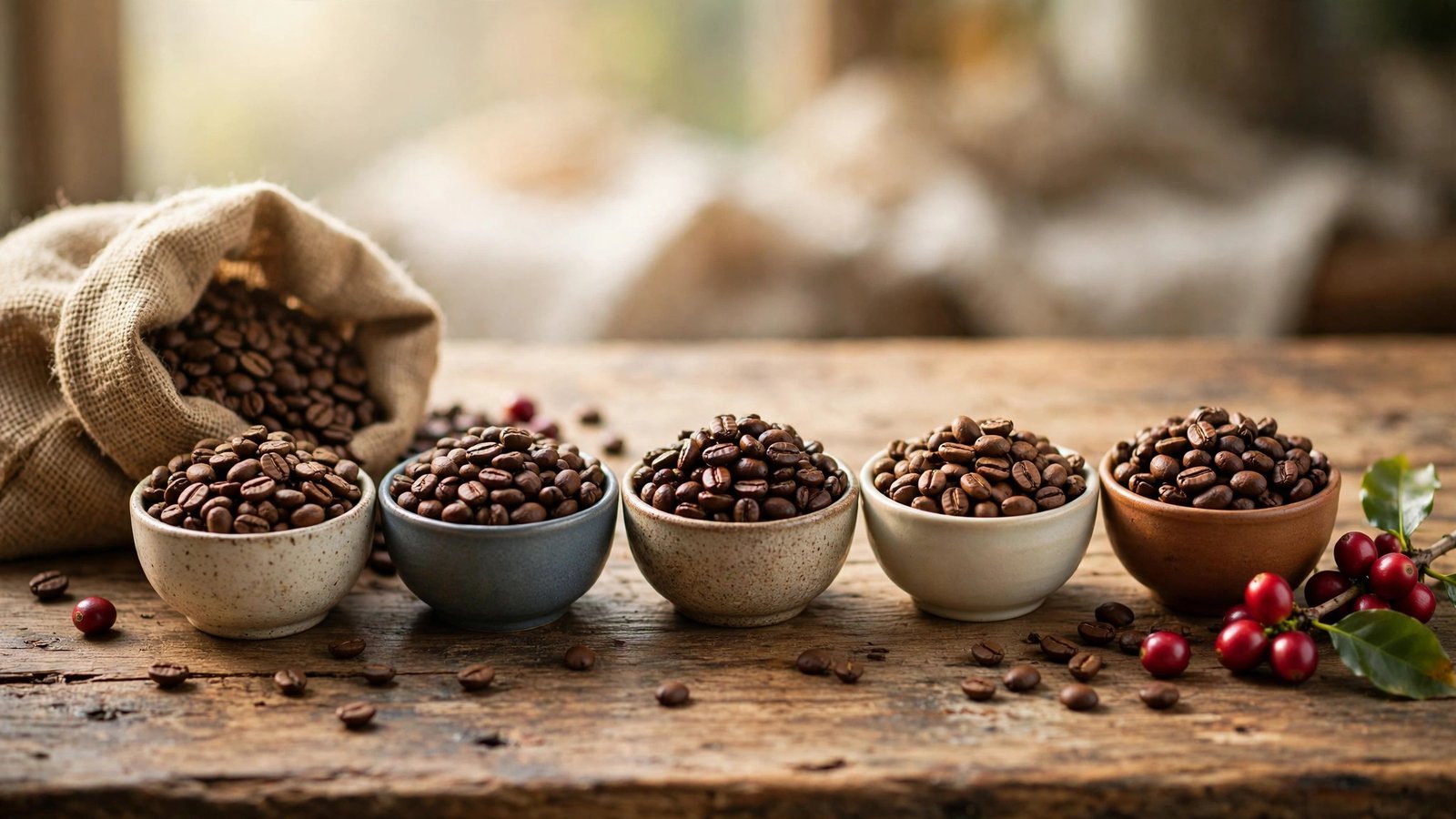
Decaf does not mean "caffeine-free" — it means most of the caffeine was removed. Green coffee beans are soaked in water (often with a solvent like ethyl acetate or methylene chloride, or through the Swiss Water Process) that pulls the caffeine out before roasting.
In the US, coffee can be labeled decaf if at least 97% of the original caffeine has been removed. So a bean that started with 100 mg of caffeine keeps around 3 mg. That small remainder is what lands in your cup.
How Much Caffeine Is in Decaf Coffee?
A typical 8 oz cup of brewed decaf contains roughly 2–7 mg of caffeine. The exact number varies with the bean, the decaffeination method, and how strong you brew it.
For context, here is how decaf stacks up against other everyday drinks:
| Drink (typical serving) | Caffeine (approx.) |
|---|---|
| Regular brewed coffee, 8 oz | ~95 mg |
| Espresso, 1 oz shot | ~63 mg |
| Black tea, 8 oz | ~47 mg |
| Green tea, 8 oz | ~28 mg |
| Decaf coffee, 8 oz | ~2–7 mg |
| Cola, 12 oz | ~34 mg |
So a cup of decaf has about 95% less caffeine than regular coffee — roughly the same as a sip or two of the real thing.
Why Decaf Can Still Feel "Energizing"
Here is something most blogs skip: caffeine is not the only reason coffee wakes you up. The aroma alone can perk you up, a warm drink raises alertness, and your brain links the whole coffee routine with getting going. That is why many people feel a small lift from decaf even though the caffeine in it is barely measurable. It is mostly habit and senses doing the work — and there is nothing wrong with that.
Can Decaf Keep You Awake at Night?
For most people, no. The caffeine in one cup of decaf is too low to wreck your sleep. But a few people do report restlessness after an evening cup, and the cause is often not caffeine at all — coffee is acidic, and acid reflux or an unsettled stomach can disturb sleep on their own. If decaf in the evening bothers you, try a low-acid decaf or a darker roast, which tends to sit easier.
Decaf and Anxiety: Is It Safer?
Generally, yes. Since caffeine is the part of coffee that drives jitters and racing thoughts, decaf is the safer pick if you are prone to anxiety. That said, highly sensitive people can still react to tiny stimulant amounts — or to the ritual itself. If even decaf feels like too much, that is your body talking; switch to something fully caffeine-free.
What About Pregnancy?
Decaf is usually considered a reasonable option during pregnancy, but it is not caffeine-free, and small amounts add up if you drink several cups. Medical guidance is to limit caffeine while pregnant rather than eliminate it, but talk to your doctor about your own intake — assumptions are not a plan.
Does Decaf Taste Different?
Old decaf had a reputation for tasting flat, and the older solvent processes earned it. Modern decaf — especially beans processed with the Swiss Water Process — can taste surprisingly close to regular coffee. If you can tell the difference, it is usually about bean quality and roast, not the missing caffeine. In side-by-side tastings, many drinkers cannot reliably pick out the decaf.
When the Trace Amount Actually Matters
- Extreme caffeine sensitivity: if you react to even tiny amounts, decaf may still bother you.
- Late-night drinking: most people are fine, but if you notice restless sleep, skip the evening cup.
- Multiple cups: four or five cups of decaf can add up to the caffeine of a weak regular coffee.
- Medical conditions: if your doctor has told you to avoid caffeine, decaf is not the same as zero caffeine.
If you need truly zero caffeine, reach for herbal tea or a grain-based coffee substitute instead.
FAQs
Is decaf coffee still a stimulant?
Barely. It contains trace amounts of caffeine, so most of the "wake-up" feeling comes from habit, aroma, and routine rather than caffeine itself.
Is decaf ok for anxiety?
Yes, decaf is generally the better choice for anxiety since it skips the strong stimulant effects of caffeine. Very sensitive individuals may still react slightly.
Is decaf coffee healthier than regular coffee?
Decaf keeps many of coffee's antioxidants with far less caffeine, which makes it the better pick for people sensitive to caffeine or managing sleep and heart concerns.
Is there 100% caffeine-free coffee?
Not really. Traditional decaf always retains a trace. Truly caffeine-free options are herbal teas and grain or root-based coffee substitutes.
What are the negatives of decaf coffee?
Some people get digestive discomfort, acid reflux, or mild headaches from decaf. These effects are usually tied to coffee acids and oils rather than the small amount of caffeine.
What is the healthiest type of coffee?
The healthiest coffee is the one that suits your body — usually freshly brewed, low-acid, and without excess sugar or cream. Both regular and decaf can be healthy in moderation.
Final Thoughts
So, does decaf coffee have caffeine? Yes — a trace of it, roughly 2–7 mg per cup. Not zero, but not enough to matter for most people.
Decaf is not a downgrade or a trick. It is coffee with the volume turned down: the taste, the warmth, the routine, without the jolt. If regular coffee runs your day instead of fitting into it, decaf might be the smartest switch you make.
Related Coffee Guides
- Best Coffee Makers
- Best French Press Coffee Makers
- Best Coffee Scales
- Best Pour-Over Coffee Makers
- Best Espresso Machine
- Best Arabica Coffee Beans
- Best Coffee Beans for Espresso
- Best Coffee Machines Under $200