

Here’s the short answer: espresso is coffee — just brewed very differently. Regular coffee is made by slowly running hot water through medium-ground coffee, giving you a smooth, mellow cup. Espresso forces near-boiling water through very finely ground coffee at about 9 bars of pressure, producing a small, thick, intensely flavoured shot. Same beans, totally different drink.
The main differences come down to brewing method, flavour intensity, serving size, caffeine per ounce, and texture. Espresso looks and tastes “stronger,” but a normal mug of drip coffee usually contains more total caffeine because the serving is so much bigger.
| Feature | Regular Coffee | Espresso |
|---|---|---|
| Brewing method | Gravity/drip extraction | Pressure extraction (~9 bars) |
| Brew time | 4–6 minutes | 25–30 seconds |
| Grind size | Medium | Very fine |
| Water temperature | Around 90–96°C | Around 90–96°C |
| Taste | Smooth and mellow | Bold and intense |
| Texture | Thin | Thick, with golden crema on top |
| Serving size | A full mug (8–12 oz) | A small shot (~1 oz) |
| Caffeine per ounce | Lower | Higher |
| Caffeine per serving | Higher overall (large serving) | Lower overall (tiny serving) |
Espresso’s rich aroma comes from pressure extraction pulling more oils and dissolved compounds out of the grounds in those 25–30 seconds. In Italy you’ll see espresso served as a quick one-ounce shot at the bar; in American-style cafés, brewed coffee tends to arrive in a big 12-ounce mug.
No — there is no plant-based difference. “Espresso beans” is just a roast label: coffee beans roasted (usually darker) with espresso brewing in mind. Darker roasts tend to taste bolder and slightly less acidic, which suits the pressure-brewing method.
Many espresso blends combine Arabica and Robusta beans. Arabica brings smoothness and sweetness; Robusta brings a stronger kick, more bitterness, and a thicker crema. Single-origin espresso exists too, but blends are the café standard.
| Bean type | Flavour profile | Typical use |
|---|---|---|
| Arabica | Smooth, sweet, aromatic | Everyday coffee and espresso |
| Robusta | Strong, bitter, more caffeine | Espresso blends for intensity and crema |
Yes, you can. Any whole bean coffee will “work” in an espresso machine — the machine doesn’t know what the bag says. But espresso usually tastes best with beans roasted for it and ground very fine. Using a light-roast bag ground for drip can give you a sour, thin, unbalanced shot, because espresso extraction is fast and punishes the wrong grind far more than slow brewing does.
An espresso machine forces hot water through a puck of finely ground coffee at about 9 bars of pressure — roughly nine times normal air pressure. The whole extraction takes 25–30 seconds and produces a concentrated shot topped with crema, the golden-brown foam layer formed when coffee oils and carbon dioxide emulsify under pressure.
| Brewing element | Typical value |
|---|---|
| Water temperature | Around 90–96°C |
| Pressure | About 9 bars |
| Extraction time | 25–30 seconds |
| Grind | Very fine |
| Result | Concentrated ~1 oz shot |
A well-pulled shot tastes balanced, rich, and smooth — never burnt or harsh. If it tastes bitter and ashy, the extraction probably ran too long; if it’s sour and watery, it was too short.
Regular coffee uses gravity and time rather than pressure. Hot water flows slowly through medium-ground coffee, which makes for a gentler, more forgiving brew. Different methods shift the flavour noticeably:
| Method | Flavour style | Brew time |
|---|---|---|
| Drip coffee | Balanced and smooth | About 5 minutes |
| French press | Rich and full-bodied | About 4 minutes |
| Pour over | Clean and aromatic | 3–5 minutes |
| Cold brew | Smooth and low-acid | 12–24 hours |
Cold brew has earned its popularity honestly: the long cold steep genuinely produces a less bitter, lower-acid cup than hot brewing.
This is where most people get confused. Espresso has more caffeine per ounce because it’s concentrated. But a standard 8-ounce cup of drip coffee has more total caffeine (roughly 95 mg) than a single one-ounce espresso shot (roughly 63 mg), simply because you’re drinking much more liquid. Two shots of espresso — about 120–150 mg — is roughly in the same ballpark as one mug of drip.
| Drink | Serving size | Approximate caffeine |
|---|---|---|
| Espresso (single shot) | ~1 oz | ~63 mg |
| Espresso (double shot) | ~2 oz | ~120–150 mg |
| Drip coffee | 8 oz | ~95 mg |
| Cappuccino | ~6 oz | ~63–80 mg |
| Black tea | 8 oz | ~40–50 mg |
The U.S. Food and Drug Administration (FDA) suggests healthy adults keep caffeine around 400 mg per day as a general guideline. Espresso feels stronger because the caffeine arrives fast in a concentrated hit.
Drunk black, both are low-calorie drinks with antioxidants, and both can fit into a balanced lifestyle. There are a couple of honest differences worth knowing:
| Factor | Coffee | Espresso |
|---|---|---|
| Calories (black) | Very low | Very low |
| Antioxidants | High | High |
| Acidity | Moderate | Often slightly lower |
| Sugar | Depends on what you add | Depends on what you add |
Darker roasts and shorter extraction times can make espresso easier on sensitive stomachs than drip coffee. But don’t take this as medical advice — if caffeine or acidity bothers you, talk to your doctor, not a coffee blog.
Cappuccino comes up in this conversation because it’s espresso-based. Regular brewed coffee is just coffee, plain or with milk. A cappuccino is espresso plus steamed milk plus foam.
| Feature | Coffee | Cappuccino |
|---|---|---|
| Base | Brewed coffee | Espresso |
| Milk | Optional | Essential |
| Foam | None | Thick foam layer |
| Flavour | Mild | Rich and creamy |
A traditional cappuccino uses roughly equal parts espresso, steamed milk, and foam. The milk softens espresso’s intensity — which is why people who find straight espresso too much often love cappuccinos.
Tea comes from tea leaves, not coffee beans, so it’s a different conversation entirely. Coffee generally carries much more caffeine than tea, and green tea gets its own antioxidants (catechins) while coffee’s main ones are chlorogenic acids.
Because it is stronger — per ounce, at least. Pressure extraction dissolves more oils and aromatic compounds quickly, while drip coffee’s larger volume of water dilutes everything into a smoother, milder cup. Strong flavour does not automatically mean more total caffeine, though.
Not necessarily. Darker espresso roasts and the very short extraction often mean slightly lower acidity than a light-roast drip. Cold brew still wins the low-acid race among popular coffee drinks. Acidity also depends on bean origin, roast level, and water temperature — there’s no single rule.
Both perk you up — that’s caffeine doing its job. Espresso delivers it faster in a concentrated hit, which is why people grab a shot before a workout or a busy stretch. A full mug of coffee, sipped slowly, spreads the caffeine over a longer session, which suits studying or long meetings better.
| Situation | Better pick |
|---|---|
| Quick energy boost | Espresso |
| Long work or study session | Brewed coffee |
| Creamy café-style drink | Cappuccino |
| Gentler caffeine option | Tea |
Keep it simple: if you like smooth, mellow flavour and a mug you can nurse for an hour, stick with brewed coffee. If you like bold, intense flavour in a small, fast drink — or you want the base for lattes and cappuccinos — espresso is your drink. There’s no wrong answer; plenty of people drink both, at different times of day.
Coffee and espresso come from the same beans but use different brewing methods. Espresso is thicker, stronger-tasting, and more concentrated per ounce, while regular coffee is smoother and served in larger amounts. Espresso has more caffeine per ounce, but a full cup of coffee usually has more caffeine per serving. Cappuccino is an espresso drink with milk and foam; tea is a different plant altogether.
Is espresso stronger than coffee?
It tastes stronger because it’s concentrated. But a large mug of drip coffee usually contains more total caffeine.
Are espresso beans different from coffee beans?
No. “Espresso beans” are regular coffee beans roasted specifically for espresso brewing.
Which is healthier: coffee or espresso?
Both can be healthy when drunk without excessive sugar or cream. Black, both are low-calorie.
Why is espresso served in small cups?
It’s highly concentrated, so the traditional serving is a small one-ounce shot.
Does cappuccino contain coffee?
Yes — it’s espresso combined with steamed milk and milk foam.
Can espresso be made without an espresso machine?
True 9-bar espresso needs a machine, but a moka pot or AeroPress makes a similar strong, concentrated coffee drink.
Which has more caffeine: tea or coffee?
Coffee usually contains much more caffeine than tea, serving for serving.
Can I use regular coffee beans in an espresso machine?
Yes, but grind them very fine and expect better results from a darker roast.


Is your morning coffee suddenly tasting bitter, or is your machine brewing much slower than usual? Over time, mineral deposits and oily residues build up inside your brewer, quietly ruining the flavor of your favorite beans. Using the right Cuisinart Coffee Maker Cleaning Solution is…
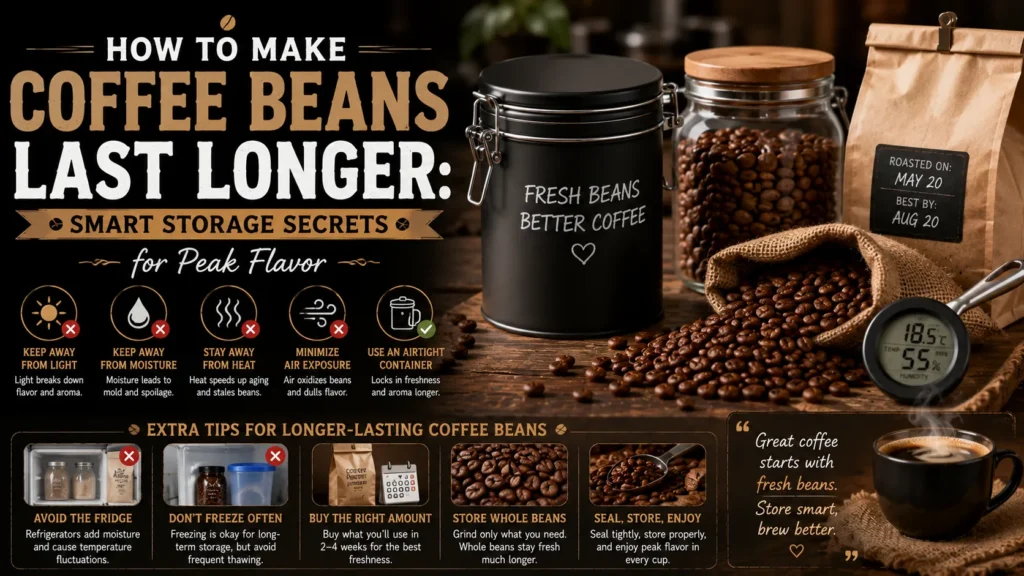
Have you ever opened a bag of coffee only to find the aroma flat and the taste dull? Freshness fades faster than most realize, turning a promising brew into a disappointing cup. Learning how to make coffee beans last longer protects your investment and guarantees…
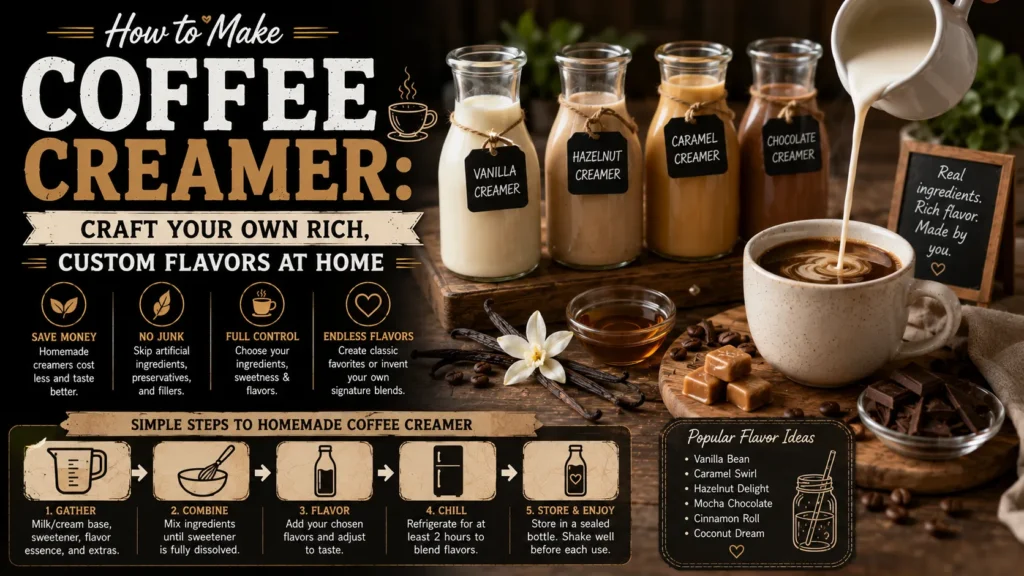
Key Takeaways Learn the exact steps for how to make coffee creamer using simple pantry ingredients. Discover flavor variations such as vanilla, hazelnut, chocolate, and dairy‑free options. Get storage tips that keep your homemade creamer fresh for up to two weeks. Avoid common mistakes that…

Explore the world of coffee with honest reviews and practical advice. Find your perfect cup, one bean and machine at a time.