


Ever sip a cup that feels flat, bitter, or just “meh” and wonder why your morning ritual lacks spark? If you’re wondering how to make coffee better, the good news is that improving your brew is less about expensive gear and more about mastering a few core variables. In the next few minutes, you’ll learn practical steps that can transform any brew into a richer, smoother, and more enjoyable coffee experience.
Water makes up over 98 % of your cup, so its quality dictates the final taste. Use filtered water with a mineral content of 150‑250 ppm; overly soft water yields flat coffee, while hard water can introduce metallic notes. Heat the water to just off the boil (195‑205 °F) before it meets the grounds.
Beans are the flavor source. Choose beans roasted within the last month and store them in an airtight container away from light. Grind them immediately before brewing; oxidation begins within minutes, dulling sweetness and acidity.
The brew ratio determines strength. A common starting point is 1 gram of coffee to 16 grams of water (1:16). Adjust upward for a bolder cup or downward for a lighter profile. Keep a kitchen scale handy; volume scoops vary wildly with bean density.
This section distills the process into three actionable pillars: extraction control, equipment hygiene, and sensory tuning. Mastering each pillar yields repeatable improvements regardless of your preferred method.
Extraction is the dissolution of soluble compounds from coffee into water. Under‑extraction produces sour, salty notes; over‑extraction brings bitterness and astringency. Aim for a total brew time that matches your method: 25‑30 seconds for espresso, 2‑4 minutes for pour‑over, 4‑5 minutes for French press.
Turbulence—created by stirring, pouring technique, or press action—helps water contact all grounds evenly. In pour‑over, a slow, spiral pour maintains uniform saturation. In immersion methods, a gentle stir halfway through prevents a crust from forming.
Oils from coffee beans oxidize and turn rancid, imparting off‑flavors that mask the bean’s true character. Rinse the brew basket, carafe, and portafilter after each use. Once a week, run a cleaning solution (such as Cafiza) through espresso machines and back‑flush the group head.
Descaling removes mineral buildup that can alter water temperature and flow. Follow the manufacturer’s schedule, typically every 1‑3 months depending on water hardness.
Taste is subjective. After each brew, note acidity, body, sweetness, and finish. If the cup tastes sharp, lower the water temperature slightly or shorten the brew time. If it feels flat, increase the dose or extend the contact time. Small, incremental changes let you home‑in on your ideal profile without overhauling the whole routine.
Different brewing styles emphasize different variables. Below are targeted adjustments for the most common methods.
Use a medium‑fine grind resembling table sand. Pre‑wet the filter to eliminate paper taste. Pour 40 ml of water for the bloom, wait 30 seconds, then continue in concentric circles, maintaining a slurry level just below the rim. Total draw‑down should be 2:30‑3:00 minutes.
A coarse grind prevents sludge. Add coffee, pour hot water, stir gently, place the lid, and wait 4 minutes. Press slowly; if resistance feels high, the grind is too fine. Decant immediately to avoid over‑extraction.
Target a 1:2 ratio (18 g coffee yields 36 g espresso) in 25‑30 seconds. Adjust grind finer if the shot runs short, coarser if it runs long. Tamp with consistent pressure (~30 lb) and ensure the basket is level.
Experiment with the inverted method: steep for 1 minute, then press over 20‑30 seconds. A fine grind works well; water temperature around 175 °F reduces bitterness while preserving sweetness.
Beyond temperature, mineral composition influences extraction efficiency. Calcium and magnesium enhance sweetness and body; bicarbonate buffers acidity. If your tap water is overly chlorinated, let it sit uncovered for 30 minutes or use a carbon filter. For precise control, consider adding a third‑wave water packet to distilled water, aiming for 150 ppm total hardness with a 2:1 calcium‑to‑magnesium ratio.
Oxygen, light, heat, and moisture are the four enemies of coffee freshness. Store beans in an opaque, airtight container with a one‑way valve. Avoid the fridge or freezer unless you plan to keep beans for months; condensation can damage the beans. Buy in quantities you’ll consume within two weeks.
Ground coffee loses aromatics faster than whole beans. If you must pre‑grind, do so no more than 15 minutes before brewing and keep the grounds sealed.
Developing a nuanced palate accelerates improvement. Start by tasting three coffees side‑by‑side: a light Ethiopian, a medium Colombian, and a dark Sumatran. Note acidity (bright vs. mellow), body (tea‑like vs. syrupy), and flavor hints (citrus, chocolate, earth). Use a flavor wheel to articulate subtle differences.
Repeat this exercise weekly. Over time you’ll detect shifts caused by grind size, temperature, or bean age, allowing you to troubleshoot with confidence.
The optimal range is 195 °F to 205 °F (90 °C‑96 °C). Water below this range under‑extracts, yielding sour notes; water above it risks scorching the grounds and producing bitterness.
Finer grinds increase surface area, speeding up extraction—ideal for short contact times like espresso. Coarser grinds slow extraction, suiting longer immersion methods such as French press. Matching grind size to brew time prevents under‑ or over‑extraction.
Reusing grounds results in a weak, over‑extracted cup because most soluble compounds have already been dissolved. The second brew will taste thin and may develop off‑flavors from lingering oils.
Metallic notes often stem from high mineral content (especially iron or copper) in water or from corroded equipment. Test your water with a TDS meter; if hardness exceeds 300 ppm, consider a filtration system. Regularly clean and descale your brewer to eliminate metal buildup.
Download our free “Coffee Calibration Checklist” and receive weekly tips on grind, water, and bean selection.
Improving coffee is a journey of small, deliberate adjustments. By mastering water quality, grind precision, brew ratio, and equipment care, you unlock the full potential of every bean. Apply the principles above, taste deliberately, and enjoy a consistently better cup each morning.





Here’s a question most of us never actually answer: how much caffeine did you really have today? That morning latte, the mid-afternoon cold brew, the cola with lunch — they add up fast, and almost nobody does the math. So we built this caffeine calculator…
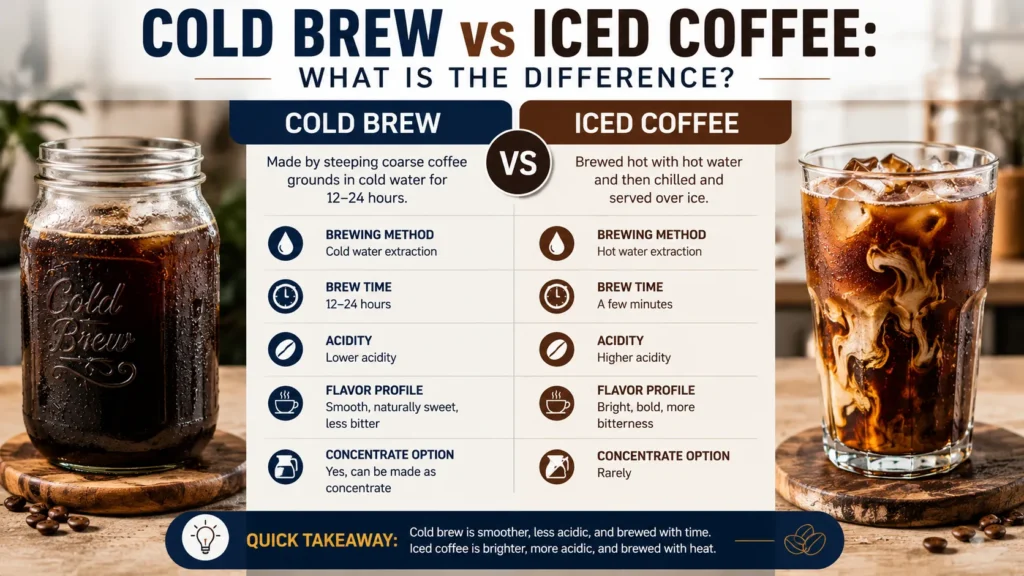
Cold brew vs iced coffee vs iced espresso — the summer menu looks simple until you have to choose. They all show up in a glass of ice. But they don’t taste the same, they aren’t made the same way, and they don’t take the…

French press vs pour over vs espresso — three brewers, three very different cups of coffee. None of them is objectively “the best.” They just suit different mornings, different budgets, and different tastes. This guide compares all three honestly: how each one works, what the…

Explore the world of coffee with honest reviews and practical advice. Find your perfect cup, one bean and machine at a time.