
If you’ve ever stared at a café menu wondering what is flat white coffee, here’s the short answer: it’s a double ristretto poured with velvety, finely steamed milk — usually just 5 to 6 ounces total. It tastes stronger and more coffee-forward than a latte, but it’s nowhere near as harsh as straight espresso.
What Is Flat White Coffee, Exactly?
A flat white is an espresso-based drink built around one idea: let the coffee lead. Instead of softening espresso with lots of milk, it keeps a strong coffee base and adds just enough finely steamed milk to give it a smooth, glossy texture.
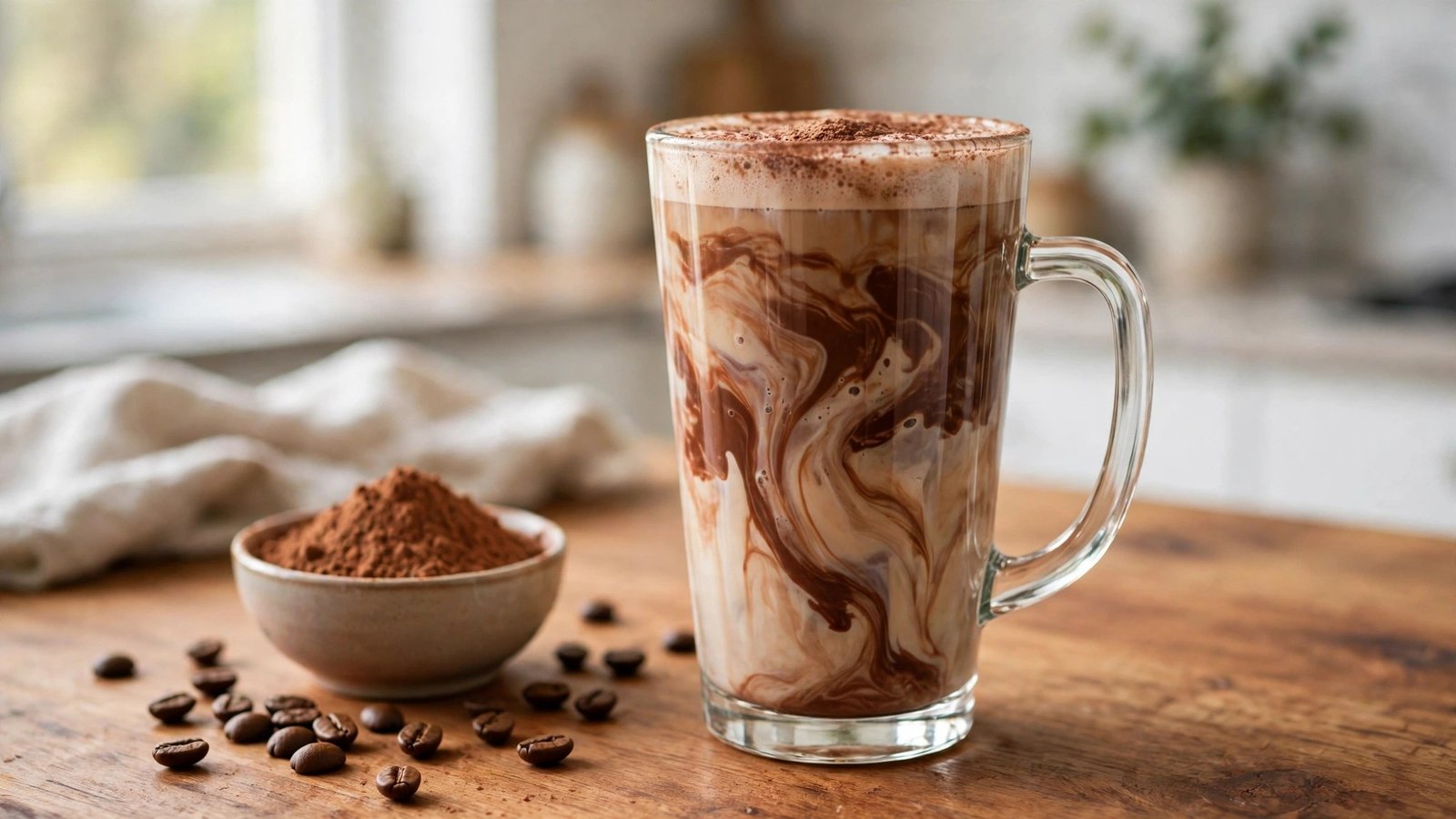
The milk matters a lot here. In a flat white, milk is steamed into what’s called microfoam — tiny, even bubbles that blend right into the espresso instead of sitting on top as foam. Take a sip and you won’t taste separate layers of milk and coffee. You get one smooth, unified mouthful with a clear coffee flavor.
The traditional build is a double ristretto (a shorter, slightly sweeter style of espresso shot) plus steamed milk in a small 5–6 oz cup. That small cup isn’t a rip-off — it keeps the coffee-to-milk ratio tight so the drink never turns watery.
Where Did the Flat White Come From?
The flat white was born in Australia and New Zealand in the 1980s, back when both countries were developing café cultures that cared deeply about espresso quality. The name is literal: unlike a cappuccino, the top is flat — no dome of foam. As specialty coffee spread globally in the 2010s, the drink travelled with it and landed on menus everywhere, including Starbucks.
Flat White vs Latte vs Cappuccino: Comparison Table
| Feature | Flat White | Latte | Cappuccino |
|---|---|---|---|
| Espresso base | Double ristretto (short, sweet) | Double espresso | Double espresso |
| Cup size | 5–6 oz | 8–12 oz | 6–8 oz |
| Milk amount | Low | High | Medium |
| Foam | Thin microfoam, no visible foam cap | Thin layer of foam on top | Thick, airy foam cap |
| Texture | Velvety, one smooth body | Creamy and milky | Light and airy on top |
| Coffee flavor | Strong, clearly tastes like coffee | Mild, milk dominates | Balanced, slightly dry |
| Best for | People who want to taste their coffee | People who like mild, milky drinks | Fans of classic café drinks |
Flat White vs Latte — What You’ll Actually Taste
Both drinks contain espresso and milk, but they feel very different. A latte uses more milk, so the espresso fades into the background. It’s soft, comforting, and easy to drink — a lot of people’s first step into coffee.
A flat white does the opposite. With less milk and a smaller cup, the coffee stays front and center. If you’ve been drinking lattes and finding them a bit bland, a flat white is usually the upgrade that clicks.
Flat White vs Cappuccino — The Texture Difference
A cappuccino is built on contrast: thick, airy foam on top, milk in the middle, espresso at the bottom. It feels light and fluffy on first sip.
A flat white has no foam cap at all. The microfoam is folded into the espresso, so every sip feels the same — dense, silky, and consistent from the first sip to the last.
What Does a Flat White Taste Like?
Expect a bold coffee flavor with natural sweetness from the milk — no sugar needed. Good ones have a glossy, almost creamy texture and a finish that’s clean rather than bitter. If yours tastes milky and weak, you’ve been served a small latte, not a flat white.
How Much Caffeine Is in a Flat White?
Roughly the same as a double espresso — typically somewhere around 120–150 mg, depending on the beans and the barista. The milk doesn’t dilute the caffeine; it just rounds out the flavor.
How to Make a Flat White at Home
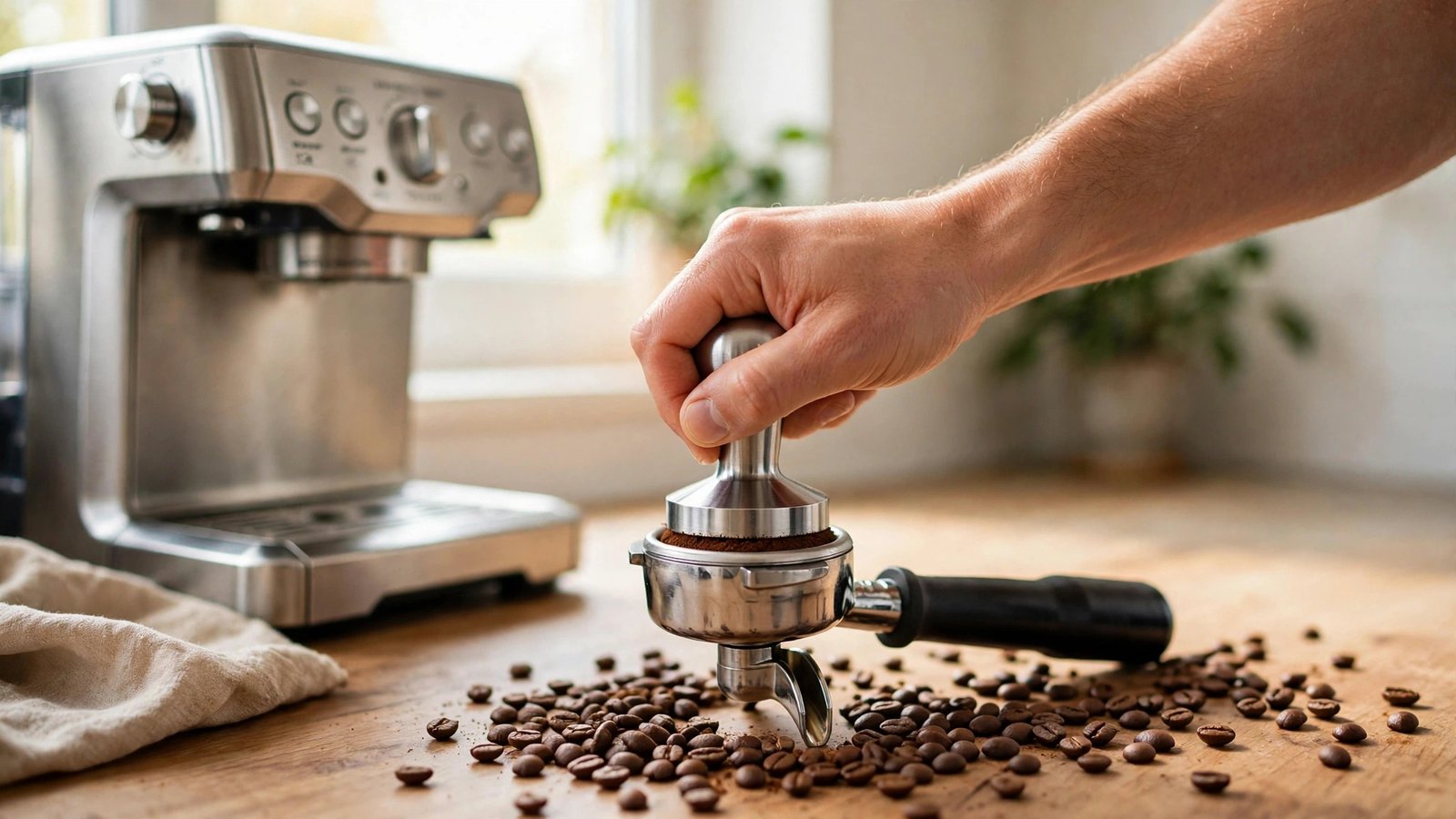
You can get close with the right approach. Start with a double ristretto or a strong double espresso — this is the soul of the drink, so don’t skimp here. If you don’t have an espresso machine, a moka pot brewed strong is the closest alternative, though the flavor won’t be identical.
Steam your milk to about 60–65°C (140–150°F) and aim for a glossy, paint-like texture with no visible bubbles. Swirl the pitcher to fold in any foam on top, then pour steadily into the espresso, keeping the pitcher low. The goal is integration, not layers.
Common mistakes: too much milk (you’ve made a latte), thick bubbly foam (that’s a cappuccino), and milk steamed too hot (it kills the natural sweetness).
The Starbucks Flat White
Starbucks introduced the flat white to a huge audience, and their version uses ristretto shots — which is actually authentic. The difference is size: Starbucks serves it larger than the traditional 5–6 oz, so it tastes a touch softer and sweeter than what you’d get in Sydney or Auckland. It’s a fine drink, just not the original spec.
Why It Can Taste Different at Every Café
Flat whites aren’t standardized the way a 12-oz latte is, so you’ll find variation. Some cafés follow the traditional small-cup, ristretto approach. Others pour what is basically a small latte and call it a flat white. If you want the real thing, look for a small cup, no foam cap, and a clearly noticeable coffee flavor.
Who Should Order One?
- Coming off lattes? A flat white is the natural next step — more coffee flavor without losing the milk comfort.
- Espresso fan? You’ll like that the coffee character comes through clearly.
- Need an afternoon pick-me-up? It’s small, smooth, and strong without the heaviness of a big milky drink.
- Like things mild? Stick with a latte — the flat white will probably taste too strong.
FAQs
What is flat white coffee vs latte?
A flat white has less milk, a smaller cup, and a stronger coffee flavor. A latte is milkier, larger, and milder.
Is a flat white stronger than a latte?
Yes. It typically uses a double ristretto in a small cup with less milk, so the coffee flavor is much more noticeable.
Does a flat white have foam?
Not in the cappuccino sense. It uses microfoam — milk steamed so fine it blends into the espresso — with no thick foam cap on top.
What does flat white coffee taste like?
Bold, smooth, and naturally a little sweet from the milk. It tastes like coffee first, with creaminess as a backup.
How much caffeine is in a flat white?
About the same as a double espresso — roughly 120–150 mg depending on the beans.
Can I make a flat white without an espresso machine?
You can get close with strong moka pot coffee and well-steamed milk, but the concentrated punch of real espresso is hard to fully replicate.
Why is it called a flat white?
Because the top is flat — there’s no dome of foam like you’d find on a cappuccino.
Is flat white Australian or New Zealand?
Both countries claim it, and the debate is friendly and ongoing. What matters is the drink: small cup, ristretto, microfoam.
Read More Guides
- 10 Best Home Coffee Makers of 2026
- 10 Best French Press Coffee Makers of 2026
- 10 Best Coffee Scales of 2026
- 10 Best Pour Over Coffee Makers in 2026
- 10 Best Espresso Machines of 2026
- 10 Best Arabica Coffee Beans of 2026
- 10 Best Coffee Beans for Espresso of 2026
- 5 Best Coffee Machines Under $200 of 2026
Final Thoughts
Now you know what is flat white coffee: a small, strong, silky drink where espresso takes the lead and milk plays backup. It’s the sweet spot between a latte’s comfort and espresso’s intensity — and once you taste a good one, most milky coffees start to feel like they’re missing something.