
Discover the Bold Smoothness of Starbucks Cold Pressed Coffee: a Deep Dive
Jump To
Discover the Bold Smoothness of Starbucks Cold Pressed Coffee: a Deep Dive
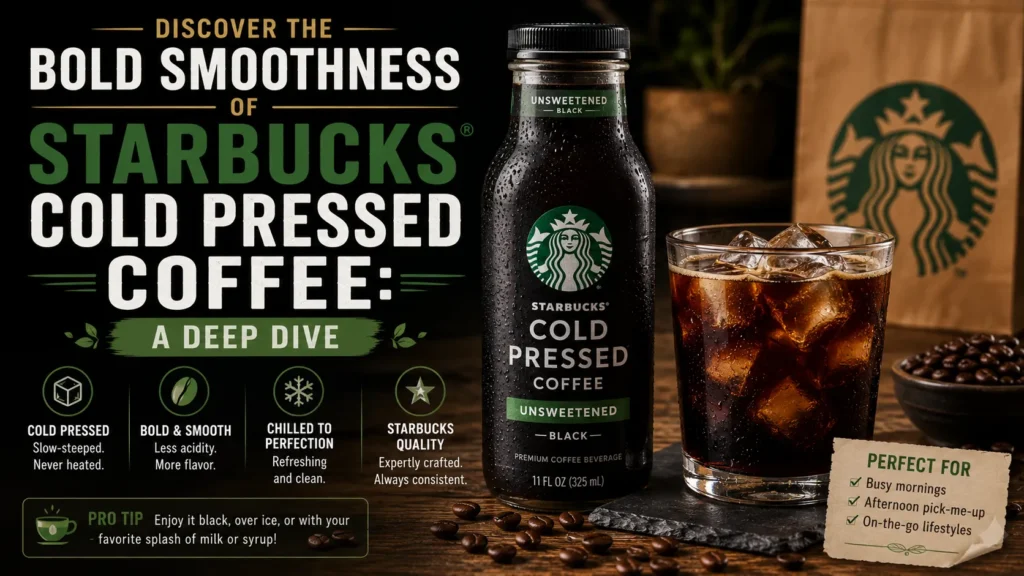
Imagine a coffee that delivers a velvety texture, low acidity, and a naturally sweet finish without any added sugar. That promise lies at the heart of Starbucks Cold Pressed Coffee, a beverage crafted through a meticulous low‑temperature extraction process. In the following sections we’ll explore how this drink is made, what makes its flavor profile unique, and why it has become a favorite among cold‑brew enthusiasts.
Key Takeaways
- Starbucks Cold Pressed Coffee uses a cold‑press (also called cold‑brew) method that extracts coffee solids slowly over 12‑24 hours.
- The process yields a smoother, less acidic cup with heightened chocolate and nutty notes.
- Each serving contains roughly 180 mg of caffeine, comparable to a standard Starbucks Grande brewed coffee.
- The beverage is available year‑round in select Starbucks stores and via the mobile app for pickup or delivery.
- Nutritionally, it is virtually calorie‑free when consumed black, making it a suitable option for low‑calorie diets.
What Is Starbucks Cold Pressed Coffee?
Starbucks Cold Pressed Coffee is a ready‑to‑drink offering that applies the cold‑press technique to high‑quality Arabica beans. Unlike traditional hot brewing, cold press relies on time rather than temperature to draw out soluble compounds. The result is a concentrate that is later diluted with filtered water and served over ice. This method preserves delicate flavor molecules while minimizing the extraction of bitter acids.
Furthermore, the beverage is marketed as a smoother alternative to iced coffee, appealing to consumers who find regular iced brews too sharp or astringent. Because the extraction occurs at temperatures below 40 °F (4 °C), oils responsible for chocolate and caramel nuances remain intact. Consequently, drinkers often notice a natural sweetness that reduces the need for added sweeteners.
The Cold Press Brewing Process
At Starbucks stores, the cold press begins with a coarse grind of ethically sourced beans. The grounds are placed in a large, stainless‑steel filter basket and submerged in cold, filtered water. The mixture then sits for a period ranging from 12 to 24 hours, depending on the desired strength.
During this extended steep, water slowly permeates the coffee particles, extracting sugars, lipids, and aromatic compounds. After steeping, the liquid is drained through a fine mesh to remove sediment, yielding a clean concentrate. Finally, the concentrate is blended with additional water to reach the standard serving strength before being chilled and dispensed.
Moreover, Starbucks employs a proprietary filtration system that ensures consistency across locations. This system removes fine particulates that could cloud the drink or affect mouthfeel. As a result, each cup exhibits the same silky texture and balanced flavor profile, regardless of where it is purchased.
Flavor Profile and Characteristics
Starbucks Cold Pressed Coffee presents a flavor spectrum that leans toward deep chocolate, toasted nuts, and subtle caramel undertones. The low‑acid nature of the brew allows these notes to shine without being masked by sharp citrus or sour hints. Many tasters describe the mouthfeel as silky, almost creamy, even though no dairy is added.
In addition, the beverage exhibits a lingering sweetness that originates from the natural sugars present in the beans. This intrinsic sweetness makes it an excellent base for flavored syrups or milk alternatives, should drinkers wish to customize. However, purists often enjoy it straight over ice to appreciate its unadulterated character.
Consequently, the drink pairs well with a variety of breakfast items, pastries, or even savory snacks. Its versatility has contributed to its growing popularity among both casual coffee drinkers and connoisseurs seeking a refined cold coffee experience.
How It Compares to Other Starbucks Coffees
When placed alongside Starbucks’ classic iced coffee, the cold pressed variant shows noticeable differences in acidity and body. Iced coffee is brewed hot, then chilled rapidly, which can preserve some bright acidity but also extract more bitter compounds. In contrast, the cold press method yields a rounder, smoother cup with lower perceived bitterness.
Furthermore, compared to Starbucks Nitro Cold Brew, which infuses nitrogen for a creamy head, the cold pressed version lacks the cascading foam but offers a more straightforward coffee flavor. Nitro’s texture is velvety due to dissolved nitrogen, while cold pressed relies solely on the natural oils extracted during the long steep.
As a result, consumers who prefer a straightforward, less frothy cold coffee often gravitate toward the cold pressed option. Meanwhile, those seeking a café‑style, creamy head may choose Nitro. Both drinks share the same caffeine range, providing a similar energy boost.
Nutritional Information and Caffeine Content
A standard Grande (16 oz) serving of Starbucks Cold Pressed Coffee contains approximately 5 calories when consumed black, zero grams of fat, and negligible sugars. The drink’s low caloric profile stems from the absence of added sweeteners or creamers in the base formulation.
Moreover, the caffeine content sits around 180 mg per Grande, which aligns closely with a typical Starbucks brewed coffee of the same size. This amount delivers a moderate stimulant effect suitable for morning or afternoon consumption without overwhelming sensitivity.
Additionally, the beverage contains trace amounts of potassium and magnesium, minerals naturally present in coffee beans. While not a significant source of nutrients, these electrolytes contribute to the overall mouthfeel and subtle flavor complexity.
Best Ways to Enjoy Starbucks Cold Pressed Coffee
Many customers appreciate the drink’s simplicity and serve it over a generous cup of ice. Adding a splash of oat milk or almond milk can enhance creaminess while keeping the calorie count low. For those who enjoy a hint of sweetness, a pump of vanilla syrup or a drizzle of caramel sauce complements the natural chocolate notes.
Furthermore, the cold pressed base works exceptionally well in coffee‑based cocktails. Mixing it with a shot of bourbon, a bit of simple syrup, and orange bitters creates a sophisticated Old Fashioned‑style beverage. Alternatively, blending it with vanilla ice cream yields a decadent affogato‑style treat.
Consequently, experimenting with different milk alternatives allows drinkers to tailor the experience to personal taste preferences while still benefiting from the smooth low‑acid foundation.
Availability and Pricing
Starbucks Cold Pressed Coffee is offered year‑round in participating stores across the United States and Canada. Customers can order it via the Starbucks mobile app, the drive‑thru, or at the counter. The drink is typically priced slightly higher than a standard iced coffee due to the longer preparation time and specialized equipment.
Moreover, Starbucks occasionally releases limited‑edition seasonal variations, such as a vanilla‑infused cold pressed latte or a mocha‑flavored version. These offerings maintain the core cold press base while introducing complementary flavor profiles.
As a result, fans of the beverage can anticipate occasional novelties while relying on the consistent availability of the classic formulation.
Customer Reviews and Popularity
Online reviews frequently highlight the drink’s smoothness and lack of bitterness as its strongest attributes. Many users note that they can enjoy multiple servings throughout the day without experiencing stomach discomfort, a common complaint with higher‑acid iced coffees.
Furthermore, social media platforms showcase numerous latte art attempts using the cold pressed base, underscoring its suitability for milk‑based drinks. Baristas often praise its consistency, noting that the concentrate mixes evenly with milk and syrups.
Consequently, the beverage has cultivated a loyal following, particularly among millennials and Gen Z consumers who prioritize both flavor and digestive comfort.
DIY Cold Pressed Coffee at Home
Enthusiasts who wish to replicate the Starbucks experience can attempt a home cold press using a French press or a dedicated cold‑brew jar. The key steps involve using a coarse grind, a coffee‑to‑water ratio of roughly 1:8, and a steeping time of 12‑18 hours in the refrigerator.
After steeping, pressing the plunger (if using a French press) or filtering through a cheesecloth yields a concentrate that can be diluted to taste. Storing the concentrate in a sealed container preserves freshness for up to two weeks.
Moreover, home brewers can experiment with single‑origin beans to explore unique flavor nuances, something that Starbucks achieves through its blended Arabica selection. This flexibility allows for a personalized cold‑pressed coffee journey.
Sustainability and Sourcing Practices
Starbucks emphasizes ethical sourcing for all its coffee offerings, including the beans used in cold pressed coffee. The company’s Coffee and Farmer Equity (C.A.F.E.) Practices program ensures that farms meet standards for environmental stewardship, social responsibility, and economic transparency.
Furthermore, the cold press method itself can be considered more energy‑efficient than hot brewing because it eliminates the need for heating large volumes of water. This reduction in energy consumption aligns with Starbucks’ broader sustainability goals.
As a result, consumers who choose Starbucks Cold Pressed Coffee can feel confident that their beverage supports responsible farming practices and a lower carbon footprint.
Future Trends in Cold Pressed Coffee
Looking ahead, the cold pressed segment is poised for growth as more consumers seek low‑acid, ready‑to‑drink coffee options. Innovations such as nitrogen‑infused cold pressed variants or functional additions like adaptogens and collagen are already appearing in the market.
Furthermore, Starbucks may explore seasonal flavor rotations that highlight single‑origin beans, allowing customers to experience terroir‑driven notes in a cold pressed format. Advances in packaging, such as recyclable aluminum cans, could also improve the environmental profile of the product.
Consequently, staying attuned to these trends will help both Starbucks and its customers continue to enjoy evolving expressions of this smooth, versatile coffee style.
Related Coffee Topics You May Like
Frequently Asked Questions
What makes Starbucks Cold Pressed Coffee different from regular iced coffee?
Starbucks Cold Pressed Coffee is made using a cold‑press (cold‑brew) method that steeps coarse grounds in cold water for 12‑24 hours, resulting in a smoother, less acidic beverage. Regular iced coffee is brewed hot then chilled quickly, which can preserve more acidity and bitter compounds. The cold press process extracts fewer bitter oils, yielding a naturally sweet, chocolate‑nutty profile.
How much caffeine is in a Grande Starbucks Cold Pressed Coffee?
A Grande (16 oz) serving contains approximately 180 mg of caffeine. This amount is comparable to a standard Starbucks brewed coffee of the same size and provides a moderate energy boost suitable for most adults.
Can I customize Starbucks Cold Pressed Coffee with milk or syrups?
Absolutely. The cold pressed base mixes well with dairy or plant‑based milks, and flavored syrups such as vanilla, caramel, or hazelnut complement its inherent chocolate and nutty notes. Many customers enjoy it over ice with a splash of oat milk and a pump of vanilla syrup for a balanced, lightly sweetened drink.
Is Starbucks Cold Pressed Coffee available year‑round?
Yes, Starbucks Cold Pressed Coffee is a core menu item offered throughout the year in participating stores across the U.S. and Canada. Seasonal variations may appear intermittently, but the classic formulation remains consistently available.
What sustainability practices are associated with the beans used in this drink?
Starbucks sources its coffee beans through the C.A.F.E. Practices program, which evaluates environmental, social, and economic criteria. The cold press method itself reduces energy usage by avoiding hot water heating, contributing to a lower overall carbon footprint for the beverage.
Enjoy the Smooth Taste Today
Ready to experience the velvety, low‑acid refreshment of Starbucks Cold Pressed Coffee? Visit your nearest Starbucks or order via the app to savor this expertly crafted cold brew.

Moses Anthony
Moses Anthony is a coffee enthusiast and home brewing specialist with over 7 years of hands-on experience testing coffee beans, espresso machines, grinders, and brewing methods. He has spent years experimenting with pour-over, French press, drip coffee, and espresso to help everyday coffee drinkers brew better coffee at home.At Best Coffee Guide, Moses focuses on practical brewing tips, honest product comparisons, and beginner-friendly coffee education based on real testing and research. His goal is to simplify coffee brewing and help readers make better choices with confidence.
How to Make Coffee Easy: Effortless Tips for Barista‑level Brew at Home
September 17, 2026
No Comments
Read More » Mastering the Art: How to Make Coffee Darker for a Richer, Bold Brew
September 16, 2026
No Comments
Read More » 
How to Make Coffee Dip: Easy Steps to Create a Rich, Coffee-infused Spread
September 15, 2026
No Comments
Read More » Latest Pots
Imagine waking up, craving a rich cup, but feeling overwhelmed by complicated machines and vague recipes. You want great coffee without the fuss, and you deserve a method that works every single time. This guide shows you exactly how to make coffee easy, turning morning…
Many coffee lovers crave a cup that looks as deep and intense as its flavor promises. If your brew often turns out light or washed out, you’re not alone—achieving that striking darkness involves more than just adding extra grounds. In the next few paragraphs we’ll…

Explore the world of coffee with honest reviews and practical advice. Find your perfect cup, one bean and machine at a time.
Main Menu
Top Categories
Newsletter
Sign up our newsletter to get updated information, promo or insight for free.
Copyright © 2025 Best Coffee Guide, All rights reserved.