
How to Make Coffee Alkaline: Transform Your Morning Brew into a Ph‑balanced Elixir
Jump To
How to Make Coffee Alkaline: Transform Your Morning Brew into a Ph‑balanced Elixir
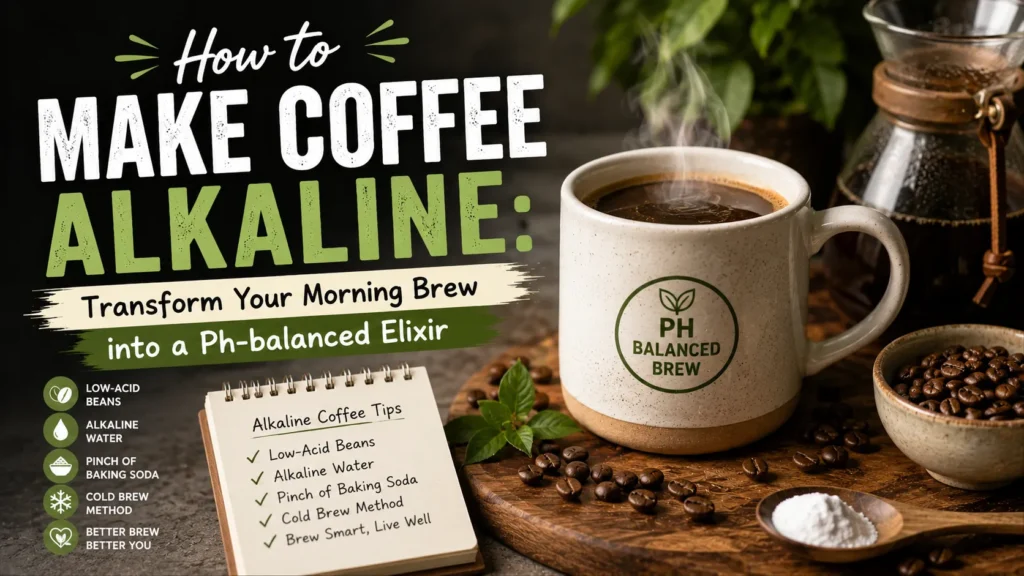
Many coffee lovers notice a sour or bitter aftertaste that lingers long after the last sip, often linked to the drink’s natural acidity. If you’ve ever wondered how to make coffee alkaline to enjoy a smoother, gentler cup without sacrificing flavor, you’re in the right place. This guide walks you through the science, practical methods, and proven tips to raise your coffee’s pH while preserving its rich aroma.
Key Takeaways
- C natural pH ranges from4.85 to .1, making it mildly acidic.
- Adding alkaline water or using it can safely raise the pH to 7.0 or higher.
- Choosing‑id bean adjusting bre further reduces perceived acidity.
- Alkaline coffee may ease stomach discomfort for sensitive drinkers while retaining antioxidants.
- Always start with small adjustments to taste as you go to avoid overalkalizing.
Understanding Coffee and Why It Matters
Coffee contains organic acids such as chlorogenic, quinic, and citric acid, which give it brightness but can also irritate the stomach. The pH scale measures acidity, with values below 7 indicating acidity. coffee falls between 48 and 5.2, placing it on the acidic side. When you learn to make coffee alkaline, you shift this balance toward neutrality or slight alkalinity, which can reduce and improve feel.
The perceived acidity is not solely a function of pH; compounds like melanoidins formed during roasting also influence taste. Therefore, altering pH alone does not flavor; it merely softens harshness. Many baristas treat it as complementary rather than an overhaul.
Additionally, research shows that a slightly more alkaline pH can preserve more of coffee’s beneficial antioxidants, as extreme acid can degrade certain antioxidants. Aiming for a neutral p offers both comfort and potential health benefits.
Why Pursue Alkal Coffee?
People seek alkaline coffee for several practical reasons. First, those with gastritis, ulcers, or acid reflux often report fewer symptoms after switching to a less acidic brew. Second, athletes sometimes prefer alkaline beverages to help reduce lactic acid buildup during intense training. A smoother cup can enhance the perception of smoothness, allowing you to reduce added sugar without sacrificing enjoyment
Moreover, alkaline coffee tends to feel creamier on the palate, which many describe as a “velvety” mouthfeel. This texture arises because hydroxide ions neutralize free fatty acids that can otherwise create astringency. As a result, the drink feels richer even use the same amount of cream.
Therefore, how to make coffee alkaline is not just novelty; it is a functional approach that aligns with wellness goals and sensory preferences.
Techniques to Make Coffee Alkaline
We arrive at the end of this article: able steps your coffee’sH. Each is safe, inexpensive, and uses common household items. Choose the approach that fits your needs or combine several for a desired effect
1. Baking Soda – The Classic pH Booster
Sodium bicarbonate is an alkali with of.. aizes excess ions in brewed coffee, pushing the pH toward neutrality. To avoid a soapy taste, start with 1/16 teaspoon (about a pinch) per 8 ounces.
Furthermore, dissolve the baking soda in a tablespoon of hot water before adding it to your coffee; this prevents clumping and ensures even distribution. Consequently, you’ll notice a smoother finish within seconds.
In addition, if you brew a full-scale dose proportionally- roughly 1/4 teaspoon for a12‑ carafe taste after each increment; you can add more, but you cannot remove it.
2. Use Water – Adjust the Source
The water you use constitutes over 98% of the cup, so its pH influences the brew; alkaline water between pH 8.0 and 9, thanks to added minerals, such as calcium. Simply replace your regular tap or bottled water with water when brewing.
Moreover, many brands offer water in their own ionizer, set to produce a p of around 8.5 for optimal coffee results. Consequently, brew extracts flavors similarly while starting from a higher baseline pH.
Mindful of mineral content; excessively hard water can lead to scaling in your machine. Therefore, periodically descale your equipment if you notice buildup.
3. Mineral Drops or Alkaline Concentrates
Liquid alkaline concentrates contain balanced blends of bicarbonates and trace minerals. A few drops per cup can raise pH without altering volume significantly. These products are designed for beverages, so they dissolve instantly and leave no residue.
Furthermore, follow the manufacturer’s dosage—usually 2‑5 drops per 8 oz—and adjust to taste. Consequently, you gain precise control over alkalinity, making it easy to replicate your preferred level each morning.
In addition, some concentrates include electrolytes that may support hydration, offering a subtle wellness boost alongside the pH adjustment.
4. Select Low‑Acid Bean Varieties
Not all coffee beans are created equal regarding acid. Beans grown at lower elevations, such as those from Brazil, Sumatra, or certain Mexican regions, naturally contain less chlorogenic acid. Choosing these varieties reduces the starting acidity, meaning you need less additive to reach an alkaline state.
Furthermore, look for labels advertising “low‑acid” or “stomach‑friendly” coffee. These beans often undergo a special washing or drying process that preserves sweetness while minimizing sharp notes.
Consequently, pairing a low-acid bean with a modest amount of baking soda can yield a cup that feels neutral without any perceptible soda flavor.
5. Cold Brew with Alkaline Additives
Cold brew extracts coffee slowly over 12‑24 hours, resulting in a concentrate that is naturally lower in acidity than hot brew. When you then dilute the concentrate with alkaline water or add a pinch of baking soda, the final drink can easily achieve a pH above 7.0.
Moreover, the cold brew process highlights chocolatey and nutty notes, which complement the smoother mouthfeel of an alkaline brew. Consequently, many enthusiasts find this method produces the most enjoyable alkaline coffee.
In addition, you can prepare a large batch of concentrate and store it refrigerated for up to two weeks, making daily alkalinization quick and convenient.
6. French Press with Alkaline Insert
Some coffee aficionados place a small, food-grade alkaline stone (such as calcite or magnesium oxide) directly in the French press chamber during brewing. As water passes through, it picks up trace alkali, subtly raising the pH.
Furthermore, this method requires no measuring; the stone slowly minerals over multiple uses. Consequently, it offers a “set‑and‑forget” solution for those who prefer a hands‑off approach.
However, ensure the stone is certified for food contact and rinse it thoroughly after each use to prevent bacterial buildup.
Pros and Cons of Alkaline Coffee
Every adjustment brings trade‑offs. Understanding both sides helps you decide if alkaline coffee aligns with your lifestyle.
Advantages
- Reduced stomach irritation and acid reflux symptoms.
- Enhanced perception of sweetness, allowing lower sugar intake.
- Potential preservation of antioxidants due to less acidic degradation.
- Smoother, creamier mouthfeel that many describe as luxurious.
- Simple, inexpensive methods that require minimal equipment.
Disadvantages
- Over‑alkalizing can impart a faint soapy or metallic taste.
- Some methods (e.g., baking soda) add sodium, which may concern those on low‑alt
- Alkaline water or mineral drops incur recurring costs.
- Finding the perfect balance may require trial and error.
- Certain coffee purists argue that altering pH alters bean terroir.
Consequently, moderation is key. Aim for a pH of 6.5 to enjoy benefits without noticeable off‑flavors.>
Tips for Consistent
Achieving repeatable alkalinity involves a few best practices.
- Measure additives with a calibrated spoon or dropper; eyeballing leads to variability.
- In your experiments, note bean type, water source, and resulting taste.
- Use fresh, freshly ground coffee; stale beans can exaggerate perceived acidity regardless of pH.
- Pre‑heat your brewing to maintain stable extraction temperature.
- If you notice a lingering soda taste, reduce the amount and increase brew time slightly to extract more soluble solids.
Furthermore, consider investing in a digital p meter designed for liquids; it provides instant feedback and removes guesswork. Consequently, you develop a personal “alkaline coffee recipe” that you can reproduce day after day.
Common Myths About Alkaline Coffee
Misconceptions abound; let’s debunk the most prevalent ones.
Myth 1: Alkaline Coffee Loses All Its Flavor
Fact: Proper alkalization softens harsh edges but does not strip away the coffee’s aromatic compounds. In fact, many tasters report heightened chocolate and caramel notes when acidity is balanced.
Myth 2: You Need Expensive Equipment
Fact: A simple pinch of baking soda or a bottle of alkaline water suffices. No fancy gadgets are required for effective results.
Myth 3: Alkaline Coffee Is Unhealthy Due to Added Sodium
Fact: The sodium contribution from baking soda is minimal—roughly 120 mg per 1/16 tsp, comparable to a slice of bread. For most diets, this is negligible.
Myth 4: Only Dark Roasts Can Be Made Alkaline
Fact: Any roast level can benefit; light roasts often show the most dramatic improvement in smoothness, as they start with higher perceived acidity.
Myth 5: Alkaline Coffee Neutralizes Caffeine
Fact: Caffeine’s chemical structure is unaffected by pH changes in the typical brewing, so stimulant potency remains unchanged.
Consequently, armed with accurate information, you can confidently experiment without fear of compromising quality or health.
Related Coffee Topics You May Like
Frequently Asked Questions
What is the ideal pH for alkaline coffee?
Most experts recommend targeting a pH between 6.5 and 7.5. This range neutralizes excess acidity while preserving the coffee’s natural flavor profile. Going above 8.0 introduces a soapy taste, especially if baking soda is used in excess.
Can I use regular baking soda from the pantry?
Yes, standard food‑grade sodium bicarbonate works perfectly. Ensure it is pure baking soda without added fragrances or anti-caking agents. Dissolve a small amount in hot water before mixing it into your coffee to avoid clumping.
Will alkaline coffee still give me an energy boost?
Absolutely. Altering the pH does not affect caffeine concentration or its bioavailability. You experience the same alertness and focus as with regular brewed coffee.
Is alkaline coffee safe for people with high blood pressure?
The sodium contribution from typical baking soda doses is low—about 120 mg per pinch. For most individuals, amount is insignificant relative to daily sodium limits. However, if you are on a strict low‑sodium diet, consider using alkaline water or mineral drops instead.
How often should I drink alkaline coffee to notice benefits?
Many drinkers report reduced stomach discomfort after just one cup. For sustained effects, incorporating alkaline coffee into your daily routine—perhaps replacing one or two regular cups—provides the most consistent relief.
Call to Action: Elevate Your Coffee Experience Today
Ready to transform your morning routine?
Final Thoughts
Learning how to make coffee alkaline empowers you to tailor your brew to both taste and comfort. By grasping the science behind pH, selecting the right technique, and applying mindful adjustments, you can enjoy a smoother, gentler cup without sacrificing the rich complexity that makes coffee beloved worldwide. Start small, track your results, and soon you discover the perfect alkaline balance that turns every sip into a moment of pure pleasure.
Coffee beans are green in nature and acquire flavor during roasting. The more they are roasted, the darker they get. Dark roast beans are roasted until oils surface on the beans, forming a powerful aroma and smoky taste.
Dark roast is less acidic than light and medium roast, and it is heavier-bodied. The taste of many people is bold, rich, or bitter to some extent. This bitterness is not a defect, but the natural outcome of increased roasting. This style is smoother and more relaxed to consume for individuals who do not like sour coffee.
The other misconception is that of caffeine content. The longer the roasting period, the less caffeine results, so dark roast has a little less caffeine as compared to light roast. The difference, however, is minuscule and cannot be noticed by most drinkers.
The Dark roast coffee Starbucks menu includes several blends available as brewed coffee, espresso drinks, and packaged beans. Sometimes popular choices are bold blends of the house, annual dark roasts, and espresso-based choices.
Starbucks creates its menu in such a way that it is appealing to both the average drinkers and the ardent coffee enthusiasts. Dark roasts tend to be placed as comfort products that go well with breakfast foods and pastry sweets. Due to their high taste, they are still flavorful after the addition of milk or sugar.
This menu strategy enables customers to make easy selections without having to be knowledgeable about coffee.
Calories in Starbucks Dark Roast Coffee
It is surprising to note that plain black coffee contains practically no calories. Dark roast coffee Starbucks calories are extremely low when the drink is served without milk, sugar, or flavored syrups. An average cup of tea has fewer than five calories.
Only with add-ins are calories increased. Sweeteners, cream, flavoured syrups, and whipped cream can easily transform a low-cal drink into a high-cal drink. This ensures dark roast is favored by individuals who desire high taste without the additional calories.
The options of dark or light sweetened are the most suitable for having a strong flavor, and at the same time maintaining a controlled number of calories.

Moses Anthony
Moses Anthony is a coffee enthusiast and home brewing specialist with over 7 years of hands-on experience testing coffee beans, espresso machines, grinders, and brewing methods. He has spent years experimenting with pour-over, French press, drip coffee, and espresso to help everyday coffee drinkers brew better coffee at home.At Best Coffee Guide, Moses focuses on practical brewing tips, honest product comparisons, and beginner-friendly coffee education based on real testing and research. His goal is to simplify coffee brewing and help readers make better choices with confidence.
How to Make Coffee Easy: Effortless Tips for Barista‑level Brew at Home
September 17, 2026
No Comments
Read More » Mastering the Art: How to Make Coffee Darker for a Richer, Bold Brew
September 16, 2026
No Comments
Read More » 
How to Make Coffee Dip: Easy Steps to Create a Rich, Coffee-infused Spread
September 15, 2026
No Comments
Read More » Latest Pots
Imagine waking up, craving a rich cup, but feeling overwhelmed by complicated machines and vague recipes. You want great coffee without the fuss, and you deserve a method that works every single time. This guide shows you exactly how to make coffee easy, turning morning…
Many coffee lovers crave a cup that looks as deep and intense as its flavor promises. If your brew often turns out light or washed out, you’re not alone—achieving that striking darkness involves more than just adding extra grounds. In the next few paragraphs we’ll…

Explore the world of coffee with honest reviews and practical advice. Find your perfect cup, one bean and machine at a time.
Main Menu
Top Categories
Newsletter
Sign up our newsletter to get updated information, promo or insight for free.
Copyright © 2025 Best Coffee Guide, All rights reserved.