French roast coffee is one of the darkest roasts you can buy. The beans are roasted well past the second crack, which gives them a shiny, oily surface and a bold, smoky flavor with almost no acidity.
Don’t let the name fool you — “French roast” has nothing to do with France. It’s a roasting style, and any bean from any origin can be French-roasted.
What Does French Roast Coffee Taste Like?
Expect bold, smoky, and slightly sweet with notes of dark chocolate and caramelized sugar. The long roast burns off most of the bean’s original flavors and nearly all its acidity, replacing them with deep roast character.
If you like coffee that tastes unmistakably like COFFEE — strong, dark, and full-bodied — French roast is your lane. If you prefer bright, fruity, or delicate flavors, go lighter.
French Roast vs Other Dark Roasts
| Roast | How dark | Taste |
|---|---|---|
| French Roast | Very dark, past second crack | Smoky, bold, low acidity |
| Italian Roast | Darker still | Even bolder, sometimes bitter |
| Espresso Roast | Dark (varies by roaster) | Rich, tuned for pressure brewing |
| Vienna Roast | Medium-dark | Balanced, mild sweetness |
French roast sits right before Italian roast on the darkness scale. The differences are subtle — in a blind test, many drinkers can’t tell French from Italian roast apart.
Is French Roast Stronger in Caffeine?
Not meaningfully. Darker roasts lose a tiny amount of caffeine during roasting, but the difference per cup is negligible. What feels “stronger” is the bold flavor, not the caffeine.
If you want more caffeine, add another scoop — roast level won’t move the needle.
How to Brew French Roast Coffee
French roast shines in brewing methods that favor boldness:
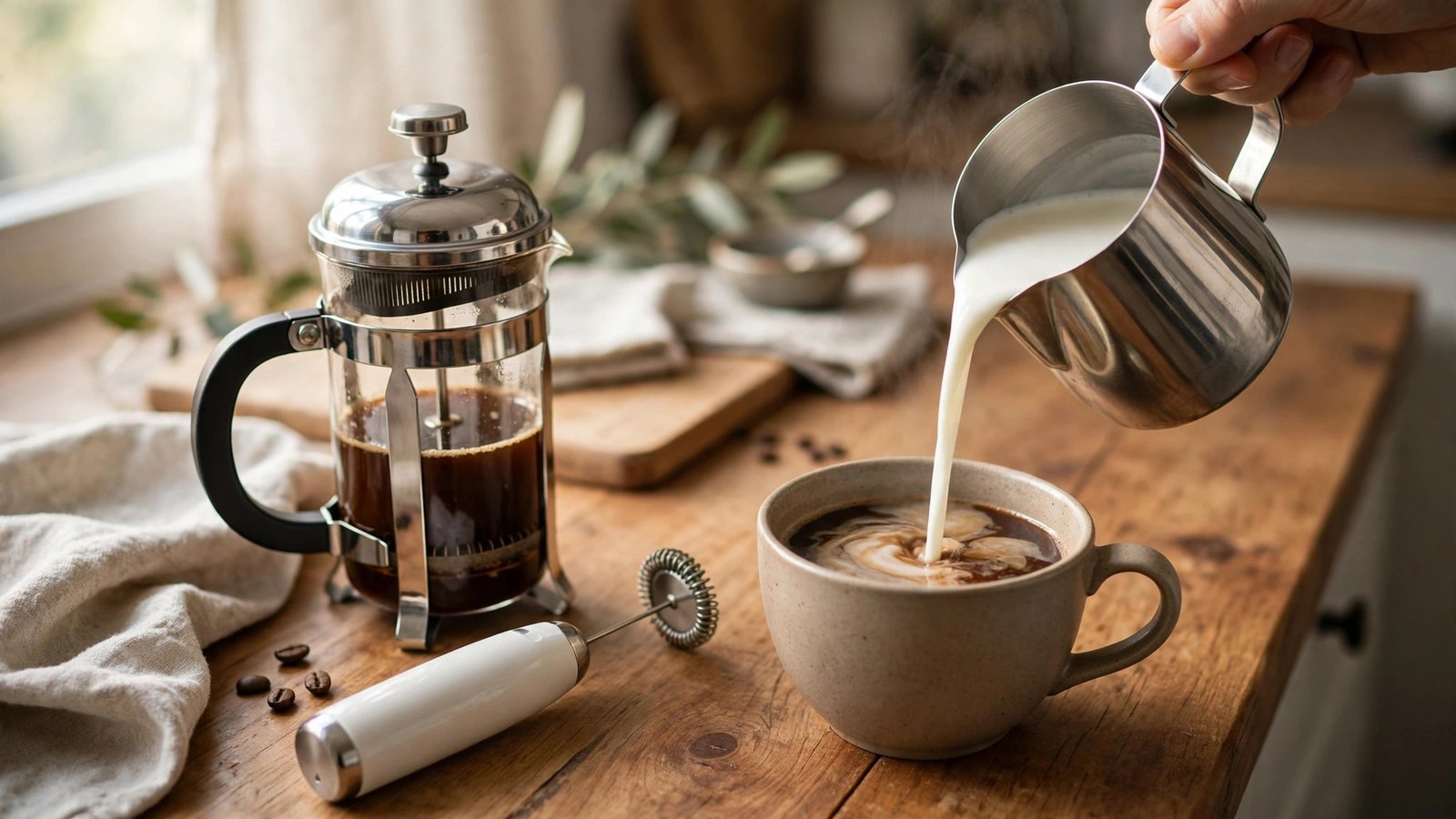
- French press — Coarse grind, 4-minute steep. The classic pairing: full-bodied meets full-bodied.
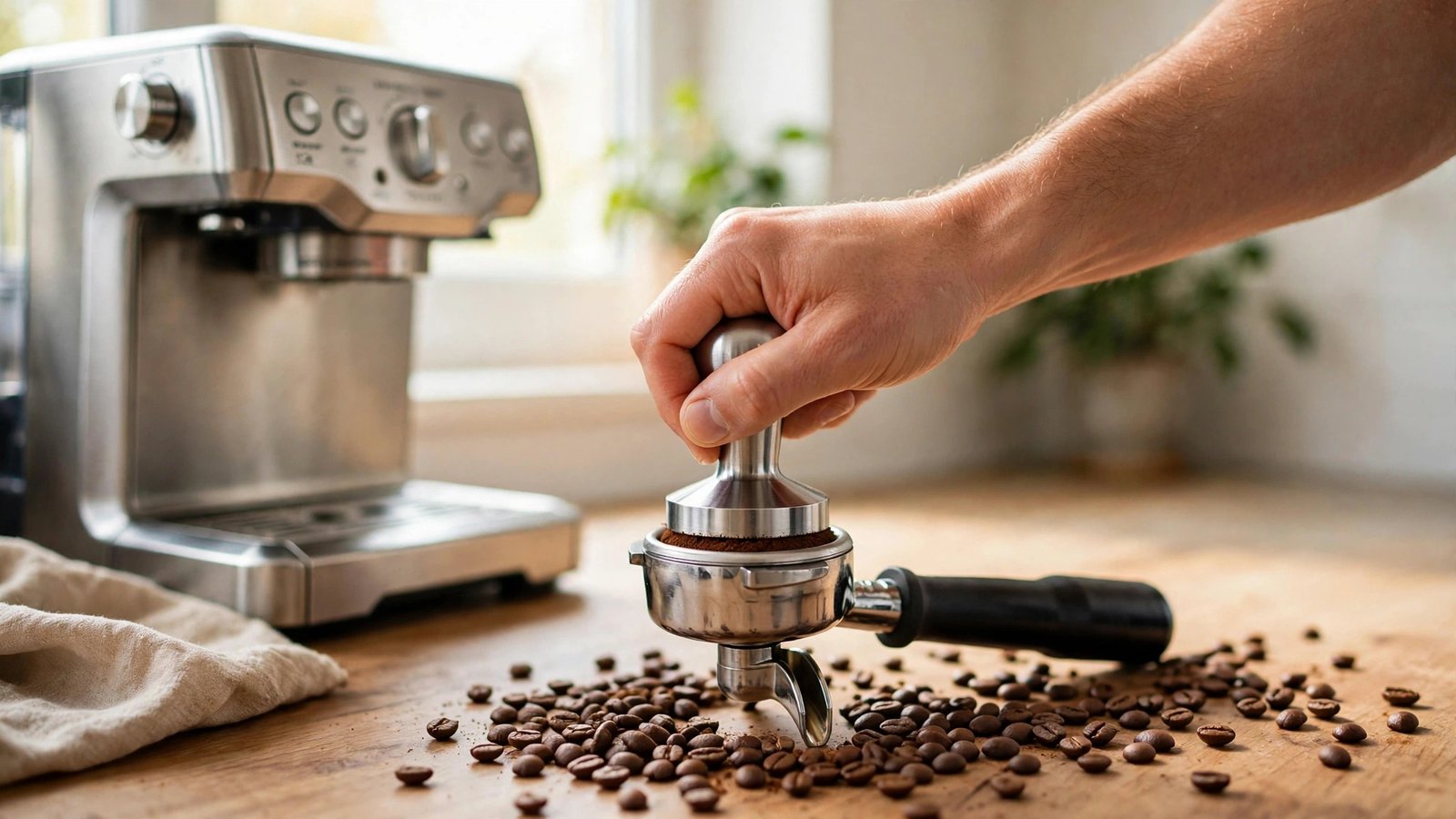
- Espresso — Dark roasts produce thick, rich crema.
- Drip coffee maker — Medium grind; easy, consistent, bold cup.
- Moka pot — Fine grind; intense, espresso-like coffee on the stovetop.
Avoid delicate methods like pour-over for French roast — the roast character overwhelms the clarity those methods are built for.
Grind tip: Buy whole beans and grind fresh. Pre-ground French roast goes stale fast, and stale dark roast tastes flat and ashy.
French Roast Coffee Beans: What to Buy
- Look for beans roasted within the last 2–4 weeks (check the roast date, not just “best by”).
- Arabica French roast tastes smoother; Robusta French roast hits harder and cheaper.
- Store in an airtight container away from light — never in the fridge.
Price-wise, French roast costs the same as any other roast level from a given roaster. You’re paying for the beans, not the darkness.
FAQs
What is French roast coffee?
Coffee beans roasted very dark, past the second crack — bold, smoky, low-acid, with an oily bean surface.
Is French roast the darkest roast?
Nearly — Italian roast is typically a touch darker. In practice, the two taste very similar.
Does French roast have more caffeine?
No. Roast level barely changes caffeine content; the bold taste just feels stronger.
Is French roast good for espresso?
Yes — dark roasts are a natural fit for espresso, producing rich crema and bold shots.
Why is it called French roast if it’s not from France?
It’s a style name, not an origin. The term stuck historically, but any bean can be French-roasted.
If weak, sour coffee leaves you disappointed, French roast coffee is the bold fix. It delivers deep roasted flavor, almost no acidity, and a rich aroma that dark-roast lovers crave.
Now you know what the name really means, how it compares to Italian and espresso roasts, and how to brew it so it tastes bold instead of burnt. Buy quality beans, grind them fresh, and match the brew method to your taste — your morning cup is about to get a lot more interesting.
Read more: 10 Best French Press Coffee Makers of 2026 · 10 Best Pour Over Coffee Makers in 2026