

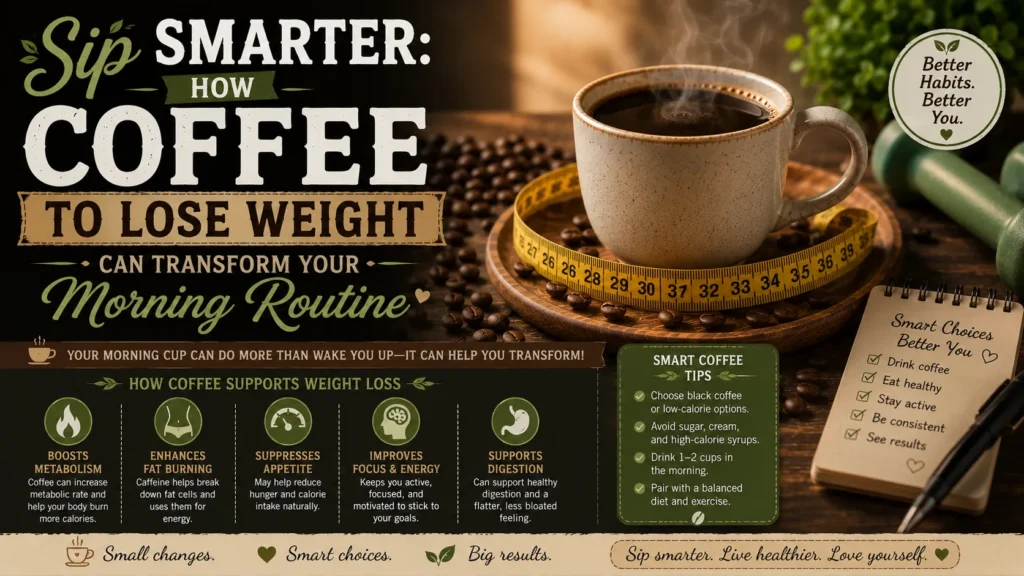
Many people reach for a cup of coffee to shake off morning grogginess, but few realize that this humble brew might also support weight‑management goals. If you’ve ever wondered whether your daily caffeine habit could actually help you shed pounds, you’re in the right place. This article explores the science, strategies, and real‑world tips behind using coffee to lose weight effectively and safely.
Key Takeaways
Caffeine, the primary active compound in coffee, stimulates the central nervous system. This stimulation leads to a temporary increase in heart rate and basal metabolic rate. Research shows that a single dose of caffeine can raise metabolic rate by 3‑11%, with larger effects seen in lean individuals.
Furthermore, caffeine promotes lipolysis, the breakdown of fat stores, making fatty acids available for energy use. This process is especially pronounced during aerobic activity, which explains why many athletes sip coffee before a workout.
In addition, chlorogenic acids found in coffee may slow carbohydrate absorption, reducing insulin spikes and helping regulate appetite. Together, these mechanisms create a modest but meaningful edge for those aiming to lose weight.
Most studies suggest that 100‑200 mg of caffeine—roughly one to two cups of brewed coffee—provides noticeable metabolic stimulation without causing adverse side effects. Consuming more than 400 mg per day can lead to jitteriness, anxiety, or disrupted sleep, which may counteract weight‑loss efforts.
Therefore, moderation is key. Aim for a consistent intake that aligns with your personal tolerance and daily schedule.
Not all coffee preparations are equal when it comes to supporting a leaner physique. The added sugars, syrups, and full‑fat dairy in many café drinks can quickly turn a low‑calorie beverage into a calorie bomb.
Black coffee contains virtually zero calories, making it the ideal base. If you prefer a creamier texture, consider a splash of unsweetened almond milk or a teaspoon of coconut oil, which adds medium‑chain triglycerides that may further support ketone production.
Avoid flavored lattes, frappuccinos, or drinks topped with whipped cream and caramel drizzle. These additions can add 200‑500 extra calories per serving, negating any metabolic benefit from caffeine.
When purchasing pre‑ground or instant coffee, check the ingredient list for hidden sugars or artificial flavors. Opt for single‑origin beans that are freshly ground to preserve antioxidant content.
Brewing methods such as French press, pour‑over, or espresso retain more chlorogenic acids compared to instant varieties. Experiment with different techniques to find a flavor profile you enjoy while maximizing beneficial compounds.
The timing of coffee consumption can influence how effectively it aids weight loss. Drinking coffee 30‑60 minutes before exercise allows caffeine to peak in your bloodstream just as you begin physical activity, enhancing fat oxidation during the workout.
Moreover, consuming coffee in the mid‑morning, after your body’s natural cortisol surge has waned, can help maintain alertness without interfering with hormonal balance. Avoid coffee late in the afternoon if you are sensitive to caffeine, as it may disrupt sleep quality—a critical factor in weight regulation.
Some individuals find that a small cup of coffee before breakfast helps curb appetite, leading to reduced calorie intake throughout the day. Experiment with timing to discover what works best for your routine and energy levels.
Intermittent fasting protocols often permit black coffee during fasting windows because it contains negligible calories and does not trigger an insulin response. This can make fasting periods more tolerable while still benefiting from caffeine’s appetite‑suppressing effects.
If you follow a time‑restricted eating plan, enjoy your coffee black or with a minimal amount of MCT oil to stay within fasting guidelines. Monitor how your body responds and adjust accordingly.
While coffee offers several advantages, certain habits can undermine its positive impact. Excessive consumption can lead to increased cortisol levels, promoting fat storage, especially around the abdomen.
Additionally, reliance on coffee to mask fatigue may result in poorer sleep quality over time. Sleep deprivation disrupts leptin and ghrelin hormones, increasing hunger and cravings for high‑calorie foods.
Finally, using coffee as a substitute for meals can lead to nutrient deficiencies and a slower metabolism in the long run. Balance is essential; coffee should complement, not replace, a nutritious diet.
Regular caffeine intake leads to tolerance, meaning you need more to achieve the same stimulant effect. To prevent escalating consumption, consider cycling your coffee intake—take a day or two off each week—or switch to green tea for a milder caffeine boost.
Listen to signals such as restlessness, rapid heartbeat, or digestive discomfort. These indicate that your current dosage may be too high for your individual physiology.
Coffee works best as part of a holistic lifestyle approach. Pairing your pre‑workout cup with a balanced snack containing protein and complex carbs can sustain energy levels and support muscle recovery.
After exercise, replenish with a nutritious meal that includes lean protein, healthy fats, and fiber. This combination helps stabilize blood sugar and prolongs the satiety effects of caffeine.
Incorporate strength training sessions two to three times per week to build lean muscle mass, which raises resting metabolic rate. When combined with the metabolic boost from coffee, the synergistic effect can accelerate fat loss over weeks and months.
Many individuals have shared how integrating coffee into their weight‑loss journey made a noticeable difference. For example, Maria, a 34‑year‑old office worker, replaced her sugary mid‑morning latte with a black coffee and a handful of almonds. Over three months, she reported a 4‑pound reduction in waist circumference and increased energy during her afternoon workouts.
Similarly, James, a fitness enthusiast, began drinking a cup of coffee 20 minutes before his strength‑training sessions. He noticed he could lift slightly heavier weights and felt less fatigued, which contributed to a steady 6‑pound loss of body fat over two months while maintaining his muscle mass.
Anecdotal evidence aligns with clinical findings: modest, consistent caffeine intake, when paired with healthy habits, can support gradual and sustainable weight loss.
If you’re excited to harness the power of coffee to lose weight, start today by evaluating your current coffee habits. Swap high‑calorie additives for cleaner options, time your intake around workouts, and listen to your body’s signals.
Take the first step: brew a fresh cup of black coffee, enjoy it mindfully, and notice how it feels. Small, consistent changes lead to lasting results.
Coffee alone is unlikely to produce dramatic weight loss. Its primary benefits—boosted metabolism, increased fat oxidation, and mild appetite suppression—are modest. For meaningful results, coffee should be combined with a balanced diet, regular physical activity, and adequate sleep. Think of coffee as a supportive tool rather than a magic solution.
Drinking coffee 30‑60 minutes before exercise generally yields the greatest fat‑burning advantage. Caffeine peaks in your bloodstream during this window, enhancing lipolysis and improving workout performance. Consuming coffee after exercise can still aid recovery by reducing perceived muscle soreness, but the metabolic boost is smaller compared to pre‑workout timing.
For most healthy adults, up to 400 mg of caffeine per day—about three to four 8‑ounce cups of brewed coffee—is considered safe. To harness weight‑loss benefits without risking jitters or sleep disruption, aim for one to two cups daily, especially if you are sensitive to caffeine. Adjust based on your personal tolerance and how you feel throughout the day.
Yes. Adding sugar, flavored syrups, or high‑fat dairy can quickly turn a low‑calorie coffee into a calorie‑dense beverage. For example, a typical flavored latte can contain 250‑400 extra calories, which may offset the modest metabolic boost from caffeine. To keep coffee weight‑friendly, choose black coffee or use minimal amounts of unsweetened almond milk, a dash of cinnamon, or a teaspoon of MCT oil.
Decaffeinated coffee retains many of the beneficial antioxidants and chlorogenic acids found in regular coffee, but it lacks the caffeine‑driven metabolic stimulation. While decaf may still offer mild appetite‑suppressing effects due to its volume and warmth, it does not provide the same thermogenic boost. If caffeine sensitivity is a concern, decaf can be a pleasant alternative, but for maximal weight‑loss support, caffeinated coffee is more effective.





Here’s a question most of us never actually answer: how much caffeine did you really have today? That morning latte, the mid-afternoon cold brew, the cola with lunch — they add up fast, and almost nobody does the math. So we built this caffeine calculator…
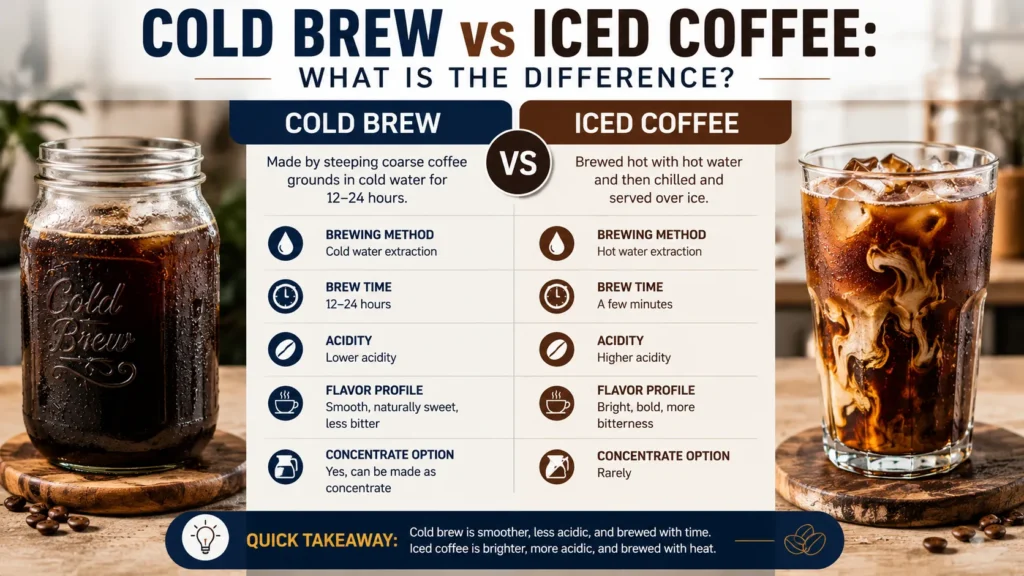
Cold brew vs iced coffee vs iced espresso — the summer menu looks simple until you have to choose. They all show up in a glass of ice. But they don’t taste the same, they aren’t made the same way, and they don’t take the…

French press vs pour over vs espresso — three brewers, three very different cups of coffee. None of them is objectively “the best.” They just suit different mornings, different budgets, and different tastes. This guide compares all three honestly: how each one works, what the…

Explore the world of coffee with honest reviews and practical advice. Find your perfect cup, one bean and machine at a time.