

When I first tried making a latte at home, it tasted nothing like cafe coffee. It was either too foamy, too flat, or just missing that smooth, creamy texture.
The turning point came when I understood the microfoam technique and the control of milk temperature. Once I applied those principles, the difference was immediate.
Most people don’t fail because of bad equipment; they fail because they don’t understand how milk and espresso actually work together. This guide will show you exactly how to make a creamy latte like a barista, using real techniques that deliver consistent results.
Quick Answer:
A creamy latte is made using:
• 1 shot espresso (30ml)
• 150–180ml steamed milk
• Thin microfoam layer
Milk should be heated to 60–65°C (140–150°F) and poured smoothly to create a silky, velvety texture, just like professional baristas do.
This is the exact method used in cafes to achieve a smooth, creamy latte.
How to Make a Creamy Latte Like a Barista

What Makes a Latte Creamy? (Barista Secret Explained)
A creamy latte is defined by its texture, not thickness. The goal is to create a perfectly blended drink where espresso and milk form a smooth, uniform consistency.
This comes from microfoam, which consists of ultra-fine bubbles stabilized by milk proteins like casein and whey. When milk is heated within the ideal range of 60–65°C, these proteins create a glossy, stable structure that integrates seamlessly with espresso.
This is the foundation of every barista’s latte technique and the core principle behind any effective latte microfoam guide.
Step-by-Step Latte Method (Barista Technique)
- Brew a strong espresso shot (25–30 seconds extraction)
- Heat milk to 60–65°C (avoid boiling)
- Introduce a small amount of air (stretching phase)
- Create a whirlpool motion to refine the texture
- Pour milk slowly into the espresso from a slight height
- Finish with a thin, glossy microfoam layer
Following this exact sequence ensures your latte is smooth, balanced, and cafe-quality.
Pro Barista Ratio (Golden Latte Formula)
For consistent results, use this proven ratio:
- Espresso: 1 shot (30ml)
- Milk: 150–180ml
- Foam: Thin microfoam layer
This balance prevents overpowering flavors and ensures a creamy, well-integrated drink.
Espresso Base: The Foundation of a Creamy Latte
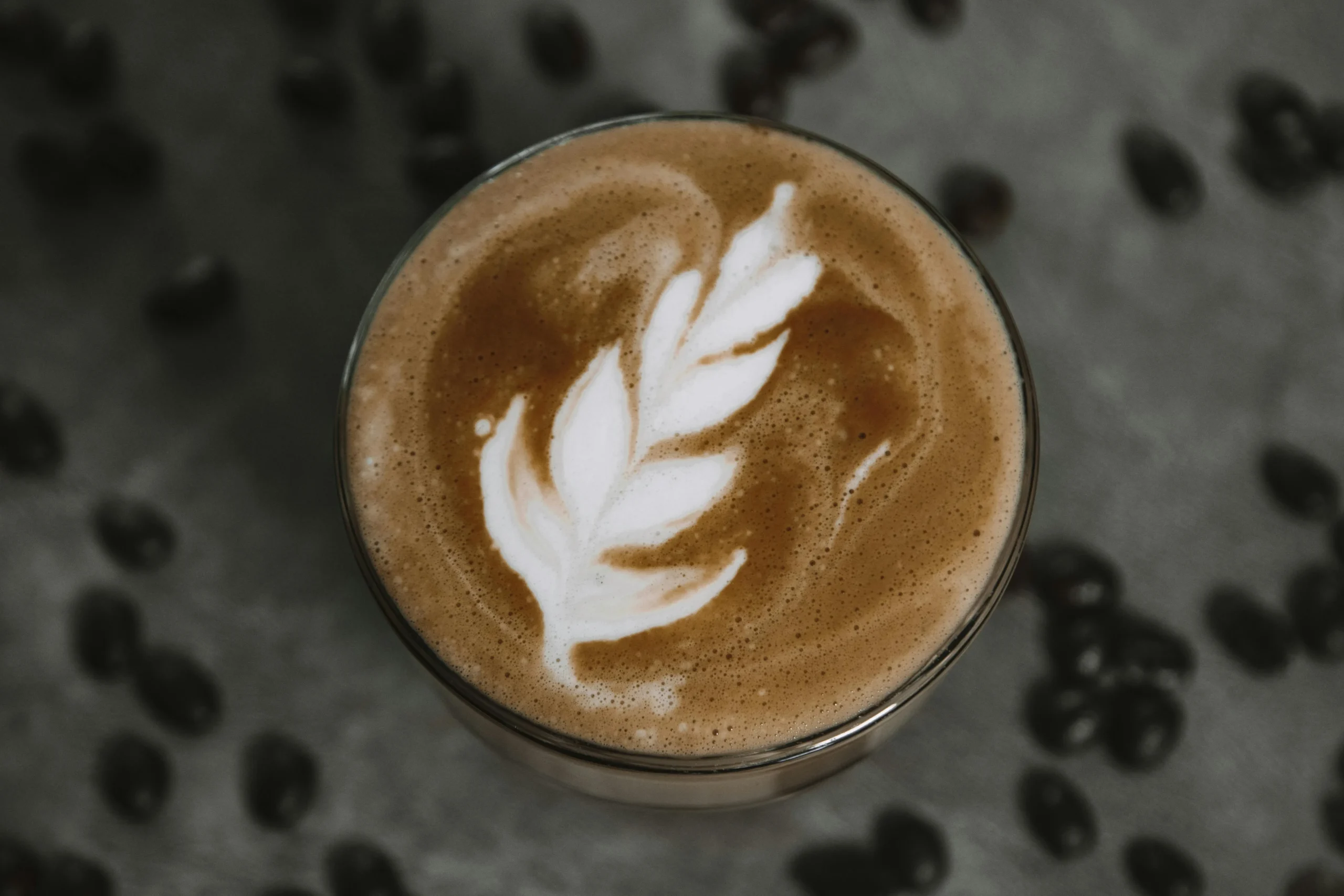
The espresso is the backbone of your latte. Without a strong base, even perfectly textured milk won’t create a satisfying result.
A proper espresso shot extracts in 25–30 seconds, producing a rich crema layer filled with oils and aromatic compounds. This enhances both flavor and mouthfeel.
If you want to go deeper, you can also learn more about espresso extraction, which plays a critical role in achieving the perfect balance.
Milk Science: Why Whole Milk Creates the Best Texture
Milk determines the final texture of your latte. Its fat and protein composition directly affects foam stability and creaminess.
Whole milk provides the best balance of fat, which adds richness, while proteins stabilize foam to create a silky texture. When heated correctly, it naturally develops a slightly sweet taste.
If you’re exploring alternatives, barista-style oat milk performs best. You can also read our guide to milk frothing techniques to further improve your results.
Microfoam Technique: The Key to Barista-Level Results

Microfoam is the most important skill in making a creamy latte and the most overlooked.
The goal is to create tiny, uniform bubbles that integrate fully into the milk. Baristas achieve this by controlling both air introduction and motion, using a whirlpool effect to refine texture.
At home, you can replicate this using simple tools. If you want to fully master this skill, it helps to compare latte vs cappuccino to understand how foam texture differs.
Most Common Beginner Mistake (That Ruins Everything)
Most beginners make one critical mistake: they overheat the milk.
This single issue can ruin the entire latte. Overheated milk breaks down proteins, leading to weak foam, poor texture, and a slightly burnt taste.
Fixing this one mistake can instantly improve your latte quality.
Common Latte Mistakes (And How to Fix Them)
Mistake | Why It Happens | Result |
Overheating milk | Poor temperature control | Burnt taste, unstable foam |
Large bubbles | Too much air was introduced | Dry, frothy texture |
Weak espresso | Low extraction strength | Flat, watery latte |
Poor mixing | Incorrect pouring technique | Layer separation |
Best Milk for Creamy Latte (Quick Comparison)
Milk Type | Creaminess | Foam Quality |
Whole Milk | High | Excellent |
Oat Milk | Medium-High | Good |
Almond Milk | Medium | Moderate |
Skim Milk | Low | High foam, less creamy |
This comparison helps you choose the best option based on your preference and dietary needs.
Pro Tip (Barista Hack)
Pro Tip: Always swirl your milk before pouring. This breaks large bubbles and ensures smooth, silky microfoam.
Advanced Barista Tips for Consistent Results
Consistency comes from mastering small details. Preheating your cup helps maintain temperature and prevents foam collapse. Swirling milk ensures even distribution, improving both texture and presentation.
Fresh coffee beans also make a noticeable difference. They produce better crema and richer flavor, which enhances the overall latte experience.
Read More Guides:
FAQ: How to Make a Creamy Latte Like a Barista
Why is my latte not creamy?
The most common reasons are poor microfoam or overheated milk, both of which prevent proper texture formation.
Can I make a latte without an espresso machine?
Yes. A moka pot or strong brewed coffee can provide a similar base if brewed with enough intensity.
What temperature is best for steaming milk?
60–65°C (140–150°F) is the ideal range for stable foam and smooth texture.
Which milk is best for a creamy latte?
Whole milk delivers the best results due to its balanced fat and protein content. Oat milk is the best non-dairy alternative.
How do baristas achieve a smooth milk texture?
They control aeration and use a whirlpool motion to create ultra-fine microfoam that blends perfectly with espresso.
Conclusion: Master Technique, Not Just Equipment
If you truly want to master how to make a creamy latte like a barista, focus on technique rather than tools. Espresso strength, milk temperature, and microfoam texture are the key elements that define quality.
With practice and consistency, you can create café-style lattes at home without relying on expensive equipment.
A perfect creamy latte comes down to three essentials:
- Strong, well-extracted espresso
- Smooth, silky microfoam
- Controlled milk temperature
Master these, and you’ll consistently create barista-quality lattes at home.