
Coffee Mate French Vanilla is Nestlé’s best-selling non-dairy creamer — a French vanilla-flavoured liquid, powder, or single-serve cup that turns black coffee into a creamy, sweet drink in seconds. Below, we break down what it actually tastes like, what’s in it, and how to use it without the sugar sneaking up on you.
| Detail | What to know |
|---|---|
| Product | Nestlé Coffee Mate French Vanilla creamer |
| Type | Non-dairy (contains a milk derivative — see below) |
| Flavours | Vanilla with a mild, sweet bakery-style finish |
| Formats | Liquid bottle, powder tub, single-serve singles |
| Sugar-free version | Yes, sweetened with sucralose |
| Serving | Typically 1 tablespoon; always check your label |
It tastes like vanilla ice cream melted into your coffee — creamy, smooth, and sweet, with the bitterness softened right out. “French vanilla” means a richer vanilla profile than plain vanilla, the kind that reminds you of custard rather than a plain vanilla bean.
A little goes a long way. One tablespoon is enough to sweeten and lighten a regular mug; two tablespoons makes it taste like a dessert drink. The powder version tastes slightly less smooth than the liquid, while the singles (those little cups from offices and hotels) are closest to the liquid.
One honest note: if you are used to plain milk or cream, expect a distinctly flavoured coffee. This is not a neutral creamer — the vanilla is the point.
The exact recipe varies by country and format, so treat this as a guide and read your own label. The typical ingredient list includes:
This trips people up. Coffee Mate is labelled non-dairy, yet the ingredient list includes sodium caseinate, which comes from milk. In regulatory terms, “non-dairy” doesn’t always mean dairy-free — the label refers to the fact that it’s not a traditional dairy product. If you have a milk allergy or are strictly dairy-free, don’t rely on the “non-dairy” claim alone: read the ingredients or choose a certified dairy-free creamer.
Nutrition numbers vary slightly by format and region, so use these as ballpark figures and check your own label:
These numbers look harmless — until you do the maths. Most people don’t measure a tablespoon; they pour freely. Two generous pours in each of three daily cups can quietly add over 200 calories and 30 g of sugar to your day. That single-serve cup doesn’t look like much, but five of them across a workday adds up fast.
Both taste very similar, but they suit different situations:
If you drink creamer daily, the liquid bottle is the best value and the nicest texture. If you’re an occasional user, powder lasts longer without going off. For a broader look at flavoured options, see our guide to the best coffee creamer flavours.
The sugar-free version swaps the sugar for sucralose. That drops it to around 10–15 calories and zero sugar per serving, which is a genuine win if your main concern is sugar intake.
But it’s not a health food — it still contains the oils, emulsifiers, and flavours. Some people also notice a slightly artificial aftertaste, especially in strong coffee where there’s less bitterness to hide it. Think of it as a lower-sugar option, not a healthier one.
Start with one tablespoon per standard mug (about 240 ml). Taste, then decide — stronger coffee needs less creamer because the flavours balance differently. If you’re trying to cut back, try this: mix half a tablespoon of creamer with a splash of milk — you keep the vanilla flavour with half the sugar. If you’re also dialling in your brew strength, see how many scoops of coffee per cup to use.
A few more tips that actually help:
Liquid Coffee Mate needs to go in the fridge after opening and is generally good for a couple of weeks — check the date on your bottle. The powder and singles are shelf-stable at room temperature until their best-before date, which makes them handy for desks and travel bags. If liquid creamer smells off or looks curdled, throw it out.
Used sensibly, it’s fine for most people — an occasional or measured daily splash is nothing to worry about. It becomes a problem when it’s automatic: heavy daily use means steady added sugar, refined oils, and zero nutrients. It’s best thought of as a flavour enhancer, like a dessert topping for your coffee, rather than a healthy ingredient.
You might want to cut back if you’re trying to reduce processed foods, watch your sugar closely, are sensitive to artificial sweeteners, or find yourself needing more and more to get the same taste — that’s usually a sign your palate has adjusted to the sweetness.
If you like the idea but want something less processed:
It’s labelled non-dairy, but most versions contain sodium caseinate, a milk-derived protein. If you’re allergic to milk or fully dairy-free, read the label carefully.
Roughly 30–35 calories per tablespoon of liquid, with about 5 g of sugar. Singles run about 15–25 calories each. Always check your label — numbers vary by version and region.
It’s lower in sugar and calories, which helps if sugar is your main concern. But it’s still a processed product with oils, emulsifiers, and sucralose — not a health food.
Yes, in measured amounts. The risk isn’t the creamer itself; it’s pouring freely, cup after cup, without noticing the added sugar.
The liquid is creamier and dissolves instantly. The powder is close behind if stirred well and wins on shelf life and convenience.
The liquid does, after opening. Powder and singles are fine at room temperature.
Coffee Mate French Vanilla is popular for a reason: it makes coffee taste good instantly, with zero effort. No need to feel guilty — just measure your pours, know what’s inside, and keep it deliberate.




Here’s a question most of us never actually answer: how much caffeine did you really have today? That morning latte, the mid-afternoon cold brew, the cola with lunch — they add up fast, and almost nobody does the math. So we built this caffeine calculator…
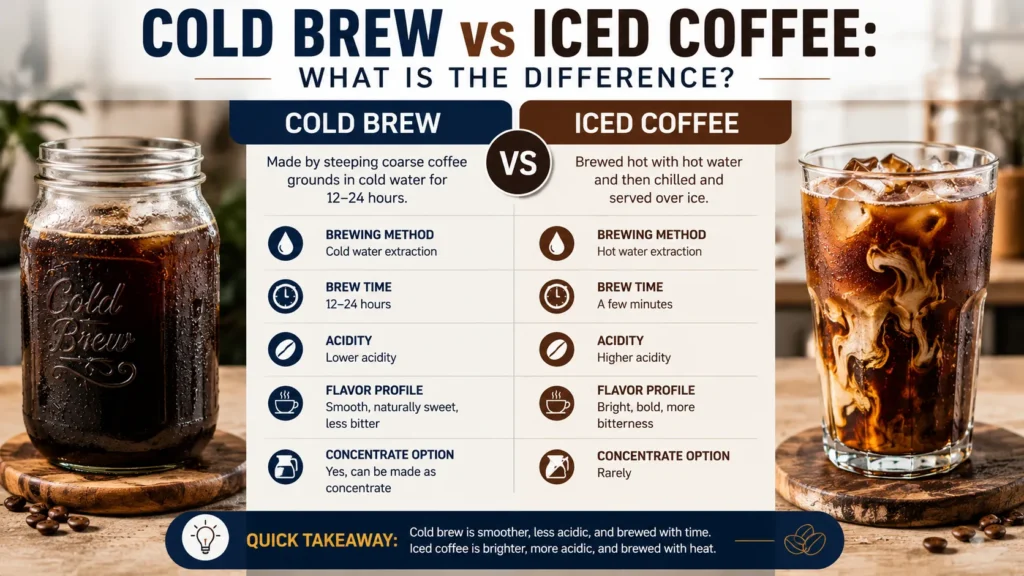
Cold brew vs iced coffee vs iced espresso — the summer menu looks simple until you have to choose. They all show up in a glass of ice. But they don’t taste the same, they aren’t made the same way, and they don’t take the…
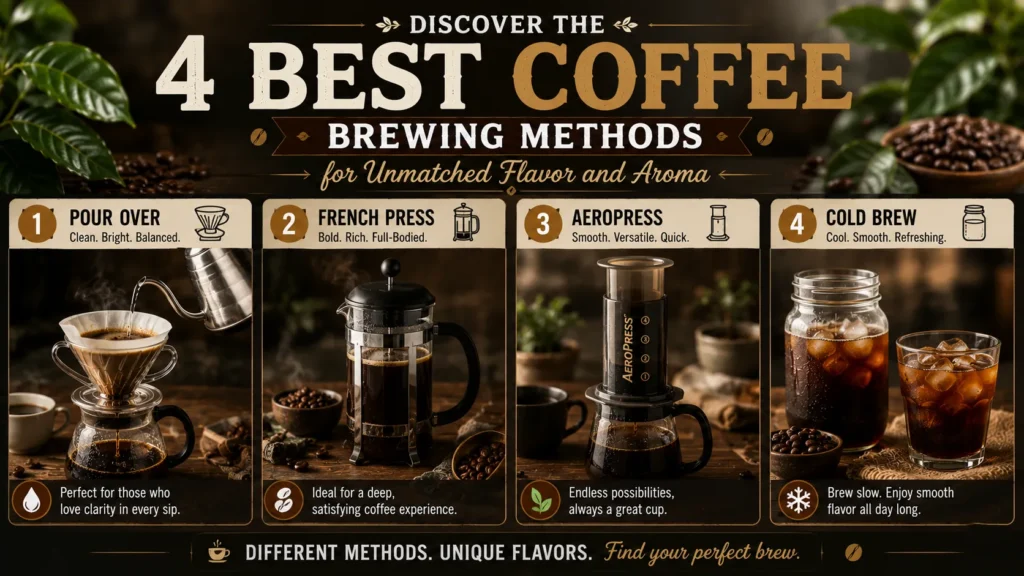
French press vs pour over vs espresso — three brewers, three very different cups of coffee. None of them is objectively “the best.” They just suit different mornings, different budgets, and different tastes. This guide compares all three honestly: how each one works, what the…

Explore the world of coffee with honest reviews and practical advice. Find your perfect cup, one bean and machine at a time.