
Mastering Coffee for Delonghi Machines: Tips, Beans, and Brewing Secrets
Jump To
Mastering Coffee for Delonghi Machines: Tips, Beans, and Brewing Secrets
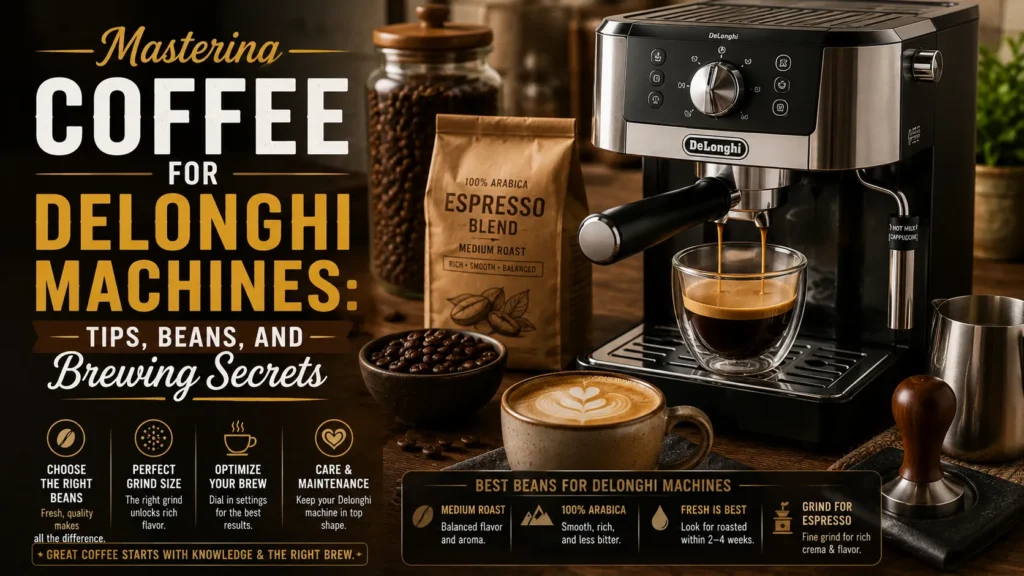
Key Takeaways:
- Choose beans with a medium to dark roast for balanced espresso.
- Match grind size to your Delonghi’s pressure settings for optimal extraction.
- Use filtered water at 90‑96 °C to avoid off‑flavors.
- Clean the brew group and milk frother weekly to preserve taste.
- Experiment with single‑origin beans to discover unique flavor profiles.
Many owners wonder which Coffee for Delonghi Machines will deliver café‑quality results at home. The answer lies in bean selection, grind consistency, and proper machine care. By focusing on these three pillars, you can transform every shot into a rich, aromatic experience.
Why Bean Choice Matters for Your Delonghi Machine
The foundation of great espresso starts with the bean. Freshly roasted beans retain volatile oils that contribute to crema and aroma. When beans sit too long, oxidation dulls the flavor, leading to flat shots.
Furthermore, origin influences acidity and body. Ethiopian beans often bring bright citrus notes, while Brazilian varieties offer chocolatey sweetness. Selecting a bean that matches your taste preference ensures satisfaction with each cup.
Choosing the Best Coffee for Delonghi Machines: A Practical Guide
When searching for the ideal Coffee for Delonghi Machines, consider roast level first. Medium‑dark roasts provide enough caramelization for espresso without burning delicate flavors.
In addition, look for beans labeled “espresso blend” or “suitable for pump machines.” These blends are formulated to withstand the high pressure of Delonghi’s thermoblock systems.
Consequently, buying whole beans and grinding just before brewing preserves freshness. Pre‑ground coffee loses aroma quickly, especially in humid environments.
Grind Size and Settings for Optimal Extraction
Grind size directly affects extraction time. Too fine a grind causes over‑extraction, yielding bitter notes; too coarse results in sour, under‑extracted shots.
Therefore, start with a setting similar to table salt and adjust based on shot timing. Aim for a 25‑30 second extraction for a 30 ml espresso.
Moreover, use a burr grinder for consistent particle size. Blade grinders create uneven grounds, leading to channeling and inconsistent flavor.
Water Quality and Temperature Impact
Water makes up 98 % of espresso, so its quality cannot be overlooked. Hard water introduces minerals that can scale the boiler and alter taste.
As a result, using filtered or bottled water with a balanced mineral profile improves both machine longevity and flavor clarity.
Additionally, temperature stability is crucial. Delonghi machines typically heat water between 90‑96 °C; staying within this range extracts sugars and acids effectively.
Maintenance Tips to Preserve Flavor
Regular cleaning prevents oil buildup that can turn rancid and spoil future brews. Remove the brew group after each use and rinse it under warm water.
Furthermore, descale the machine every two to three months, depending on water hardness. A clean boiler maintains proper temperature and pressure.
Finally, wipe the steam wand after each milk‑based drink to avoid bacterial growth and ensure silky microfoam.
Exploring Different Roast Levels
Light roasts highlight origin characteristics but can be challenging for espresso due to higher acidity and lower solubility.
Medium roasts strike a balance, offering sweetness and body while retaining some fruity notes.
Dark roasts deliver bold, smoky flavors with reduced acidity, ideal for milk‑based drinks like cappuccinos.
Experimenting across the spectrum helps you discover which Coffee for Delonghi Machines suits your palate.
Common Mistakes to Avoid
One frequent error is tamping with uneven pressure, which creates channels and leads to uneven extraction.
Another mistake is storing beans in the freezer; moisture condensation can damage the beans’ cellular structure.
Lastly, ignoring the machine’s pre‑infusion feature can result in uneven saturation of the coffee bed.
Related Coffee Topics You May Like
Frequently Asked Questions
What type of bean works best with Delonghi espresso machines?
Medium‑dark roasted beans labeled for espresso or pump machines generally produce the best crema and balance. Choose whole beans and grind them just before brewing for maximum freshness.
How fine should I grind coffee for a Delonghi machine?
Start with a grind resembling fine table sand. Adjust finer or coarser based on shot timing; target a 25‑30 second extraction for a 30 ml espresso.
Can I use pre‑ground coffee in my Delonghi machine?
While possible, pre‑ground coffee loses aroma quickly and may lead to inconsistent extraction. For optimal flavor, grind fresh beans each time.
How often should I clean the brew group?
Rinse the brew group after every use and perform a deeper clean with a soft brush weekly. This prevents oil buildup that can affect taste.
Is filtered water necessary for Delonghi machines?
Yes, filtered water reduces mineral scaling and improves flavor clarity. If your tap water is very hard, consider using a water softener or bottled water with balanced mineral content.
Ready to Elevate Your Espresso Game?
Download our free “Delonghi Coffee Mastery” checklist and get step‑by‑step guidance for perfect shots every day.
By now you understand how bean selection, grind size, water quality, and maintenance intertwine to produce exceptional espresso. Applying these principles consistently will turn your Delonghi machine into a reliable source of café‑quality coffee.
Furthermore, remember that experimentation is part of the journey. Try different origins, roast levels, and grind adjustments while logging the results to refine your personal recipe.
As a result, you’ll develop a nuanced palate and the confidence to troubleshoot any issue that arises.
Finally, share your successes with fellow coffee enthusiasts and enjoy the community that surrounds the art of espresso making.

Moses Anthony
Moses Anthony is a coffee enthusiast and home brewing specialist with over 7 years of hands-on experience testing coffee beans, espresso machines, grinders, and brewing methods. He has spent years experimenting with pour-over, French press, drip coffee, and espresso to help everyday coffee drinkers brew better coffee at home.At Best Coffee Guide, Moses focuses on practical brewing tips, honest product comparisons, and beginner-friendly coffee education based on real testing and research. His goal is to simplify coffee brewing and help readers make better choices with confidence.
How to Make Coffee Easy: Effortless Tips for Barista‑level Brew at Home
September 17, 2026
No Comments
Read More » Mastering the Art: How to Make Coffee Darker for a Richer, Bold Brew
September 16, 2026
No Comments
Read More » 
How to Make Coffee Dip: Easy Steps to Create a Rich, Coffee-infused Spread
September 15, 2026
No Comments
Read More » Latest Pots
Imagine waking up, craving a rich cup, but feeling overwhelmed by complicated machines and vague recipes. You want great coffee without the fuss, and you deserve a method that works every single time. This guide shows you exactly how to make coffee easy, turning morning…
Many coffee lovers crave a cup that looks as deep and intense as its flavor promises. If your brew often turns out light or washed out, you’re not alone—achieving that striking darkness involves more than just adding extra grounds. In the next few paragraphs we’ll…

Explore the world of coffee with honest reviews and practical advice. Find your perfect cup, one bean and machine at a time.
Main Menu
Top Categories
Newsletter
Sign up our newsletter to get updated information, promo or insight for free.
Copyright © 2025 Best Coffee Guide, All rights reserved.