
Coffee with Milk and Sugar: a Journey through Flavor, Culture, and Wellness
Jump To
Coffee with Milk and Sugar: a Journey through Flavor, Culture, and Wellness
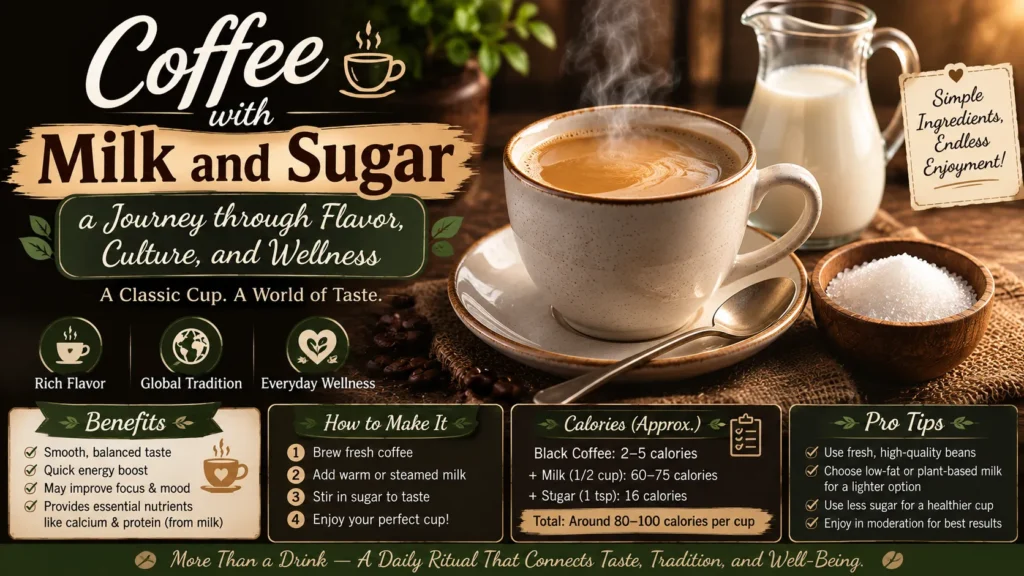
Imagine waking up to a mug that balances bold roast, creamy silk, and just‑right sweetness in every sip. Coffee with Milk and Sugar is more than a morning habit; it is a ritual that connects continents, stimulates conversation, and fuels creativity.
Key Takeaways
- Coffee with Milk and Sugar blends caffeine stimulation with dairy comfort and quick energy from sugar.
- The drink’s origins trace back to 17th‑century European cafés, evolving into countless regional variations.
- Scientific studies show that moderate consumption can improve alertness, mood, and even metabolic markers when sugar is kept in check.
- Choosing quality beans, the right milk texture, and appropriate sugar type dramatically influences flavor and health impact.
- Mindful preparation and portion control let you enjoy the beverage without compromising wellness goals.
The Origins of Coffee with Milk and Sugar
Historically, coffee arrived in Europe from the Ottoman Empire in the 1600s. Early patrons drank it black, bitter, and strong. Soon, travelers from Britain and France began adding milk to soften the intensity.
By the late 1700s, sugar plantations in the Caribbean made granulated sugar affordable. Cafés in Vienna and Paris started serving Coffee with Milk and Sugar as a refined alternative to the harsh brew.
This trio quickly became a staple of bourgeois salons, intellectual gatherings, and later, the working‑class break. Its spread mirrored colonial trade routes, reaching Asia, Africa, and the Americas.
Historical Roots
In England, the “coffee house” culture of the 1650s encouraged patrons to experiment with additives. Milk was initially a luxury, reserved for the affluent.
When sugar prices fell after the abolition of slavery‑linked trade restrictions, the sweetener became commonplace. The combination of the three ingredients created a drink that was both energizing and soothing.
Cultural Adaptations
Each culture adapted the basic formula to local tastes. In Spain, café con leche features equal parts coffee and scalded milk, often sweetened with a sugar cube.
In India, doodh patti chai blends strong black coffee with boiled milk and generous sugar, creating a thick, comforting beverage.
In the United States, the rise of diners in the 1950s popularized the “regular” coffee: a medium roast with a splash of milk and two teaspoons of sugar.
The Science Behind the Blend
Understanding why Coffee with Milk and Sugar feels satisfying requires looking at chemistry and physiology.
Caffeine blocks adenosine receptors, promoting wakefulness. Milk proteins, especially casein, bind to some polyphenols, slightly reducing bitterness and altering antioxidant availability.
Sugar provides rapid glucose, which the brain uses for immediate energy. Together, these components create a synergistic effect on alertness and mood.
Chemical Interactions
When milk meets coffee, the fats emulsify with coffee oils, creating a smoother mouthfeel. This emulsion also slows the release of caffeine, leading to a more gradual stimulant effect.
Sugar dissolves readily in the hot liquid, increasing viscosity and enhancing the perception of body. The Maillard reaction between sugars and amino acids during roasting contributes caramel notes that milk amplifies.
Flavor Profile
The flavor triangle of Coffee with Milk and Sugar balances three primary sensations:
- Bitterness from caffeine and chlorogenic acids.
- Sweetness from sucrose or alternative sweeteners.
- Creaminess from lactose and milk fats.
Adjusting any one component shifts the overall profile, allowing drinkers to tailor the experience to personal preference.
Health Implications
Like any dietary choice, Coffee with Milk and Sugar carries both benefits and cautions. Moderation and ingredient quality are key.
Benefits
Research indicates that moderate coffee consumption (3‑4 cups daily) correlates with reduced risk of Parkinson’s disease, type 2 diabetes, and certain liver conditions.
Milk contributes calcium, vitamin D, and high‑quality protein, supporting bone health and muscle repair.
A small amount of sugar can improve cognitive performance during short‑term, high‑demand tasks, especially when paired with caffeine.
Considerations
Excessive sugar intake adds empty calories and may contribute to weight gain, dental caries, and metabolic syndrome.
Full‑fat milk adds saturated fat; opting for low‑fat or plant‑based alternatives can lower caloric density while preserving creaminess.
Individuals with lactose intolerance or dairy allergies should consider lactose‑free milk, soy, oat, or almond milk, noting that protein and calcium content vary.
How to Prepare the Perfect Coffee with Milk and Sugar
Achieving café‑quality Coffee with Milk and Sugar at home hinges on three pillars: bean selection, milk technique, and sugar handling.
Choosing Your Beans
Start with freshly roasted, medium‑dark beans. Look for notes of chocolate, nuts, or caramel, which complement milk and sugar well.
Grind just before brewing; a burr grinder ensures uniform particle size, essential for even extraction.
Use a coffee‑to‑water ratio of 1:15 for drip methods or 1:2 for espresso, adjusting to taste.
Milk Types and Techniques
For classic dairy, whole milk (3.25 % fat) yields the richest foam. Steam milk to 60‑65 °C, creating micro‑foam that integrates smoothly.
If you prefer plant‑based options, oat milk barista blends froth best due to higher carbohydrate content; soy milk offers protein stability.
Avoid overheating, which denatures proteins and creates a scorched taste.
Sugar Options and Dissolving
Granulated white sugar dissolves fastest in hot liquid. For a deeper flavor, try raw turbinado or coconut sugar, which add subtle molasses notes.
If using liquid sweeteners like honey or agave, add them after milk incorporation to prevent separation.
Start with one teaspoon (≈4 g) per 240 ml cup; adjust upward only after tasting.
Popular Variations Around the World
The base of Coffee with Milk and Sugar inspires countless regional twists.
European Classics
In Italy, caffè latte features a shot of espresso topped with steamed milk, often sweetened with a sugar packet.
France’s café au lait uses strong drip coffee and heated milk in equal parts, served in a wide bowl.
Germany’s Milchkaffee is similar but may include a dollop of whipped cream for indulgence.
Asian Twists
Vietnamese cà phê sữa đá mixes strong dark roast coffee with sweetened condensed milk, served over ice.
Malaysia’s kopi o is a robust coffee with sugar and evaporated milk, creating a caramel‑rich flavor.
In Japan, kōhī miruku is a canned coffee‑milk beverage, lightly sweetened and enjoyed cold.
American Innovations
The rise of specialty coffee shops introduced flavored syrups—vanilla, hazelnut, caramel—added to the milk‑sweetened base.
Cold brew with milk and sugar offers a smoother, less acidic alternative, especially popular in summer.
Recent trends include oat‑milk lattes with a dash of cinnamon sugar, catering to plant‑forward consumers.
Common Myths Debunked
Misconceptions about Coffee with Milk and Sugar often lead to unnecessary avoidance.
Myth 1: Adding milk negates coffee’s antioxidants.
Fact: While milk proteins can bind some polyphenols, a significant portion remains bioavailable. The overall antioxidant capacity stays beneficial.
Myth 2: Sugar makes coffee unhealthy regardless of amount.
Fact: Moderate sugar (≤10 % of daily calories) poses minimal risk for most individuals. The key is portion control.
Myth 3: Plant‑based milks are nutritionally inferior to dairy.
Fact: Many fortified plant milks match dairy in calcium and vitamin D; choosing unsweetened versions avoids excess sugar.
Myth 4: You must drink it hot to gain benefits.
Fact: Iced or cold brew versions deliver comparable caffeine and antioxidant levels when prepared correctly.
Related Coffee Topics You May Like
Frequently Asked Questions
What is the ideal milk-to-coffee ratio for a balanced Coffee with Milk and Sugar?
A common starting point is one part milk to two parts coffee by volume. For a 240 ml cup, aim for 80 ml milk and 160 ml coffee. Adjust upward for a creamier drink or downward for a stronger coffee taste.
Can I use artificial sweeteners instead of sugar in Coffee with Milk and Sugar?
Yes. Sucralose, stevia, or erythritol dissolve well in hot beverages and provide sweetness without added calories. Note that some artificial sweeteners may leave a slight aftertaste; experiment to find your preference.
Is it safe to drink Coffee with Milk and Sugar on an empty stomach?
For most people, a modest cup is fine. However, the acidity of coffee combined with milk can cause mild discomfort for those with sensitive stomachs. If you experience heartburn, try a low‑acid coffee blend or consume a small snack beforehand.
How does the type of sugar affect the flavor profile of Coffee with Milk and Sugar?
Granulated white sugar offers clean sweetness. Turbinado or demerara sugar adds subtle molasses notes, while coconut sugar contributes a faint caramel‑nutty undertone. Liquid sweeteners like honey introduce floral flavors that can complement or contrast with the coffee’s roast profile.
Are there any low‑calorie alternatives that still deliver creaminess?
Unsweetened almond milk (≈15 kcal per 100 ml) or soy milk (≈30 kcal) provide creaminess with fewer calories than whole milk. Adding a pinch of salt or a dash of vanilla extract can enhance perceived richness without extra calories.
Call to Action: Elevate Your Daily Brew
Ready to Master Your Perfect Cup?
Download our free “Coffee with Milk and Sugar” cheat sheet – featuring bean recommendations, milk‑steaming tips, and sugar‑measurement guides.
By understanding the history, science, and art behind Coffee with Milk and Sugar, you transform a simple habit into a mindful ritual that nurtures both body and spirit. Start experimenting today, and let each sip inspire your next great idea.
Dark roast is less acidic than light and medium roast, and it is heavier-bodied. The taste of many people is bold, rich, or bitter to some extent. This bitterness is not a defect, but the natural outcome of increased roasting. This style is smoother and more relaxed to consume to individuals who do not like sour coffee.
The other misconception is that of caffeine content. The longer the roasting period, the less caffeine results, so dark roast has a little less caffeine as compared to light roast. The difference, however, is minuscule and cannot be noticed by most drinkers.
The Dark roast coffee Starbucks menu includes several blends available as brewed coffee, espresso drinks, and packaged beans. Sometimes popular choices are bold blends of the house, annual dark roasts, and espresso-based choices.
Starbucks creates its menu in such a way that it is appealing to both the average drinkers and the ardent coffee enthusiasts. Dark roasts tend to be placed as comfort products that go well with breakfast foods and pastry sweets. Due to the high taste, they are still flavorful after the addition of milk or sugar.
This menu strategy enables customers to make easy selections without having to be knowledgeable about coffee.
Calories in Starbucks Dark Roast Coffee
It is surprising to note that plain black coffee contains practically no calories. Dark roast coffee Starbucks calories are extremely low when the drink is served without milk, sugar, or flavored syrups. An average cup of tea has fewer than five calories.
Only with add-ins are calories increased. Sweeteners, cream, flavoured syrups, and whipped cream can easily transform a low-cal drink into a high-cal drink. This ensures dark roast is favored by individuals who desire high taste without the additional calories.
The options of dark or light sweetened are the most suitable to have a strong flavor, and at the same time maintain a controlled number of calories.

Moses Anthony
Moses Anthony is a coffee enthusiast and home brewing specialist with over 7 years of hands-on experience testing coffee beans, espresso machines, grinders, and brewing methods. He has spent years experimenting with pour-over, French press, drip coffee, and espresso to help everyday coffee drinkers brew better coffee at home.At Best Coffee Guide, Moses focuses on practical brewing tips, honest product comparisons, and beginner-friendly coffee education based on real testing and research. His goal is to simplify coffee brewing and help readers make better choices with confidence.
How to Make Coffee Easy: Effortless Tips for Barista‑level Brew at Home
September 17, 2026
No Comments
Read More » Mastering the Art: How to Make Coffee Darker for a Richer, Bold Brew
September 16, 2026
No Comments
Read More » 
How to Make Coffee Dip: Easy Steps to Create a Rich, Coffee-infused Spread
September 15, 2026
No Comments
Read More » Latest Pots
Imagine waking up, craving a rich cup, but feeling overwhelmed by complicated machines and vague recipes. You want great coffee without the fuss, and you deserve a method that works every single time. This guide shows you exactly how to make coffee easy, turning morning…
Many coffee lovers crave a cup that looks as deep and intense as its flavor promises. If your brew often turns out light or washed out, you’re not alone—achieving that striking darkness involves more than just adding extra grounds. In the next few paragraphs we’ll…

Explore the world of coffee with honest reviews and practical advice. Find your perfect cup, one bean and machine at a time.
Main Menu
Top Categories
Newsletter
Sign up our newsletter to get updated information, promo or insight for free.
Copyright © 2025 Best Coffee Guide, All rights reserved.