
How Coffee for Weight Loss Can Transform Your Morning Routine
Jump To
How Coffee for Weight Loss Can Transform Your Morning Routine
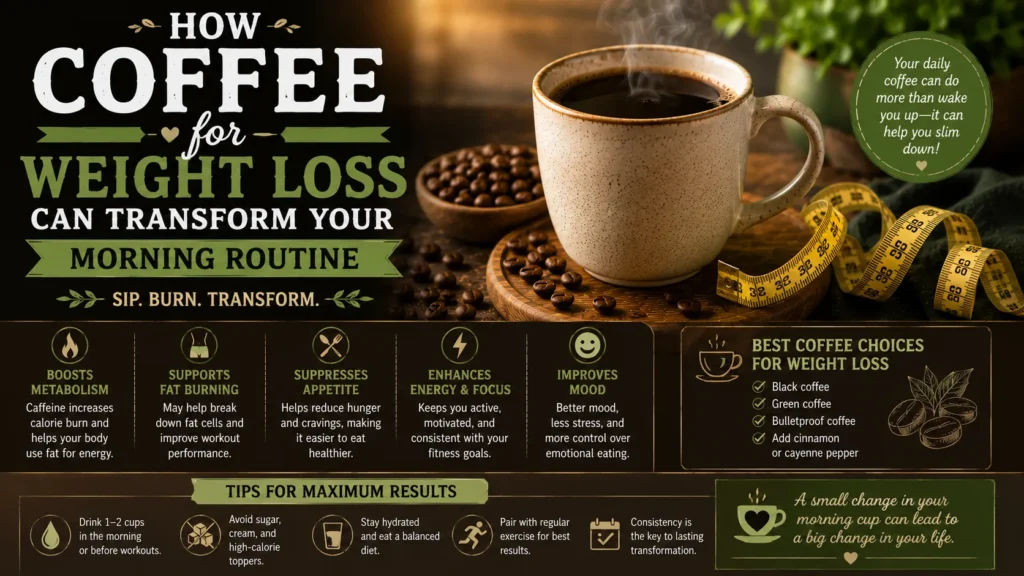
Many people reach for a cup of coffee to shake off sleepiness, but few realize that this everyday habit can also support fat loss goals. Coffee for weight loss works by boosting metabolism, enhancing fat oxidation, and curbing appetite when consumed mindfully. In the next few minutes you’ll discover exactly how to harness your brew for real results.
Key Takeaways
- Moderate caffeine intake (≈200‑300 mg) can increase resting metabolic rate by 3‑11%.
- Chlorogenic acids in coffee may reduce glucose absorption and aid fat breakdown.
- Timing matters – drinking coffee 30 minutes before exercise amplifies fat‑burning effects.
- Avoid added sugars and high‑calorie creamers; they negate the calorie‑deficit benefit.
- Individual tolerance varies; start with one cup and monitor jitteriness or sleep disruption.
The Science Behind Coffee and Metabolism
Coffee contains caffeine, a natural stimulant that blocks adenosine receptors in the brain. This blockade leads to increased neuronal firing and the release of neurotransmitters like dopamine and norepinephrine. As a result, the body experiences a temporary rise in heart rate and basal metabolic rate.
Research shows that caffeine can elevate metabolic rate by up to 11% in lean individuals and about 3% in those with higher body fat. The effect peaks within three hours after ingestion and gradually declines. This thermogenic boost helps the body burn more calories even at rest.
Beyond caffeine, coffee is rich in chlorogenic acids, polyphenols that influence glucose metabolism. These compounds inhibit the enzyme glucose‑6‑phosphatase, reducing liver glucose output and encouraging the body to use stored fat for energy.
How Coffee for Weight Loss Works
When you drink coffee, caffeine stimulates the sympathetic nervous system, prompting fat cells to break down triglycerides into free fatty acids. These fatty acids enter the bloodstream and become available for muscle oxidation during physical activity.
Additionally, caffeine enhances epinephrine (adrenaline) levels, which signals fat stores to release energy. The combined effect is a higher proportion of energy derived from fat rather than carbohydrates, especially during low‑to‑moderate intensity exercise.
Studies also indicate a mild appetite‑suppressing effect. Participants who consumed caffeinated coffee reported reduced hunger ratings and lower calorie intake at subsequent meals compared to those who drank decaf.
Optimal Coffee Consumption for Weight Loss
To reap benefits without overstimulation, aim for 200‑300 mg of caffeine per day. This roughly translates to one 12‑ounce cup of brewed coffee or two shots of espresso, depending on bean type and brew strength.
Timing is crucial. Consuming coffee 30 minutes before a workout maximizes fat oxidation because caffeine levels peak in the bloodstream just as you begin exercising. Avoid coffee within six hours of bedtime to prevent sleep disturbances, which can counteract weight‑loss efforts.
If you prefer multiple servings, spread them out—such as a cup in the morning, another before lunch, and a pre‑exercise shot. Keep total daily caffeine below 400 mg to stay within safe limits for most adults.
Types of Coffee Brews and Their Effects
Not all coffee preparations deliver the same caffeine and chlorogenic acid content. Understanding these differences helps you choose the most effective brew for your goals.
Espresso
A single shot (≈30 ml) contains about 63 mg of caffeine. Its concentrated form provides a quick stimulant hit, making it ideal for a pre‑workout boost. However, the serving size is small, so you may need two shots to reach the optimal range.
Drip Brewed Coffee
An 8‑ounce cup of drip coffee typically offers 95 mg of caffeine. This is the most common home‑brew method and provides a steady release of caffeine over time, suitable for sustained metabolic elevation.
Cold Brew
Cold brew is steeped for 12‑24 hours, resulting in a smoother, less acidic beverage. Despite the longer extraction, its caffeine concentration can be higher—often 100‑150 mg per 8‑ounce serving—because of the increased coffee‑to‑water ratio.
Instant Coffee
Instant varieties usually contain 30‑90 mg per cup, depending on brand. While convenient, they may have lower chlorogenic acid levels due to processing, slightly reducing the metabolic advantage.
Potential Downsides and How to Mitigate Them
While coffee can aid weight loss, excessive intake leads to jitteriness, anxiety, increased heart rate, and digestive discomfort. High doses may also raise cortisol levels, which can promote fat storage, particularly abdominal fat.
To minimize adverse effects, start with a modest amount—half a cup—and assess your tolerance. Gradually increase to the desired dose while monitoring sleep quality and anxiety levels.
Choose low‑acid beans or add a splash of almond milk to reduce stomach irritation. If you experience heartburn, consider switching to a darker roast, which tends to be less acidic.
Finally, beware of hidden calories. Flavored syrups, whipped cream, and full‑fat dairy can turn a zero‑calorie beverage into a calorie‑dense treat. Stick to black coffee or use a teaspoon of stevia and a dash of cinnamon for flavor without sabotaging your deficit.
Combining Coffee with Exercise and Diet
Coffee works best when paired with a balanced diet and regular physical activity. The metabolic boost from caffeine is modest; therefore, creating a calorie deficit through nutrition remains essential.
Prioritize protein‑rich meals to preserve lean muscle mass while losing fat. Pair your pre‑workout coffee with a small carbohydrate source—like a banana—to fuel performance without blunting fat oxidation.
Incorporate both resistance training and cardio into your routine. Caffeine’s ergogenic effect improves strength output and endurance, allowing you to lift heavier or run longer, which further increases calorie expenditure.
Real‑Life Success Stories
Many individuals report noticeable changes after strategically using coffee for weight loss. For example, Maria, a 34-year-old office worker, replaced her sugary latte with a black americano before her morning jog. Over three months she lost 8 pounds, attributing part of her success to increased workout intensity and reduced mid‑morning snacking.
Another case involves James, a competitive cyclist, who added a double espresso 20 minutes before interval training sessions. He noted improved power output and a 2 % reduction in body fat after six weeks, while maintaining his usual calorie intake.
These anecdotes align with research findings: caffeine’s performance‑enhancing properties translate to higher energy expenditure, and its appetite‑modulating effects help curb unnecessary eating.
Practical Tips to Incorporate Coffee into Your Weight Loss Plan
Implementing coffee strategically requires simple habits. Below are actionable steps you can start today.
- Measure your brew: Use a kitchen scale or scoop to ensure consistent caffeine content.
- Track intake: Log each cup in a notebook or app to stay within the 200‑300 mg window.
- Pair with movement: Schedule your coffee 30 minutes before a walk, gym session, or home workout.
- Stay hydrated: Caffeine has a mild diuretic effect; drink water alongside your coffee.
- Listen to your body: If you feel anxious or notice disrupted sleep, cut back by half a cup.
- Experiment with additives: Try a pinch of cocoa powder or nutmeg for flavor without added sugar.
Myths About Coffee and Weight Loss Debunked
Misconceptions can lead to ineffective or even harmful practices. Let’s clarify the most common myths.
Myth 1: Coffee Alone Burns Fat
Reality: Coffee increases metabolic rate modestly; without a calorie deficit, fat loss will not occur. Think of coffee as a catalyst, not a miracle solution.
Myth 2: Darker Roasts Have More Caffeine
Reality: Roasting reduces caffeine content slightly; lighter roasts actually retain a marginally higher caffeine level per bean. Differences are minor, so choose based on taste preference.
Myth 3: Adding Milk Nullifies Benefits
Reality: A splash of milk adds minimal calories and does not significantly inhibit caffeine’s effects. However, sugary flavored creamers can add 50‑100 calories per tablespoon, undermining your deficit.
Myth 4: Decaf Coffee Is Ineffective for Weight Loss
Reality: Decaf still contains chlorogenic acids, which may support glucose metabolism. While the caffeine‑driven boost is absent, decaf can still contribute to appetite control and antioxidant intake.
Related Coffee Topics You May Like
Conclusion
Coffee for weight loss is a scientifically backed tool when used wisely. Its caffeine and bioactive compounds enhance metabolism, promote fat oxidation, and can help manage appetite. By moderating intake, timing consumption around workouts, avoiding high‑calorie additives, and pairing coffee with a nutritious diet and regular exercise, you can turn your daily brew into a supportive ally on your fitness journey.
Remember that individual responses vary. Start small, monitor how you feel, and adjust accordingly. With consistency and mindfulness, that morning cup can do more than wake you up—it can help you move closer to your weight‑loss goals.
How many cups of coffee should I drink per day for weight loss?
Aim for 200‑300 mg of caffeine daily, which usually equals one to two 8‑ounce cups of brewed coffee, depending on strength. If you prefer espresso, two shots provide roughly the same amount. Staying within this range maximizes metabolic benefits while minimizing side effects like jitteriness or insomnia.
Is it better to drink coffee before or after a workout for fat loss?
Consuming coffee 30 minutes before exercise yields the greatest fat‑burning advantage. Caffeine peaks in your bloodstream at this time, increasing epinephrine levels and enhancing fat oxidation during the session. Post‑workout coffee can aid recovery but does not provide the same pre‑exercise metabolic boost.
Can adding sugar or cream to coffee negate its weight‑loss effects?
Yes. Added sugars and high‑fat creamers introduce extra calories that can quickly offset the modest calorie‑burning boost from caffeine. For weight‑loss purposes, keep your coffee black or use low‑calorie alternatives like a teaspoon of stevia, a dash of cinnamon, or a splash of unsweetened almond milk.
Does decaf coffee offer any weight‑loss benefits?
Decaf retains chlorogenic acids, which may help regulate glucose absorption and support fat metabolism. While it lacks the caffeine‑driven metabolic increase, decaf can still contribute to appetite control and provide antioxidant benefits, making it a suitable option for those sensitive to stimulants.
Ready to Boost Your Weight‑Loss Journey?
Start your day with a purposeful cup and feel the difference in energy and focus.

Moses Anthony
Moses Anthony is a coffee enthusiast and home brewing specialist with over 7 years of hands-on experience testing coffee beans, espresso machines, grinders, and brewing methods. He has spent years experimenting with pour-over, French press, drip coffee, and espresso to help everyday coffee drinkers brew better coffee at home.At Best Coffee Guide, Moses focuses on practical brewing tips, honest product comparisons, and beginner-friendly coffee education based on real testing and research. His goal is to simplify coffee brewing and help readers make better choices with confidence.
How to Make Coffee Easy: Effortless Tips for Barista‑level Brew at Home
September 17, 2026
No Comments
Read More » Mastering the Art: How to Make Coffee Darker for a Richer, Bold Brew
September 16, 2026
No Comments
Read More » 
How to Make Coffee Dip: Easy Steps to Create a Rich, Coffee-infused Spread
September 15, 2026
No Comments
Read More » Latest Pots
Imagine waking up, craving a rich cup, but feeling overwhelmed by complicated machines and vague recipes. You want great coffee without the fuss, and you deserve a method that works every single time. This guide shows you exactly how to make coffee easy, turning morning…
Many coffee lovers crave a cup that looks as deep and intense as its flavor promises. If your brew often turns out light or washed out, you’re not alone—achieving that striking darkness involves more than just adding extra grounds. In the next few paragraphs we’ll…

Explore the world of coffee with honest reviews and practical advice. Find your perfect cup, one bean and machine at a time.
Main Menu
Top Categories
Newsletter
Sign up our newsletter to get updated information, promo or insight for free.
Copyright © 2025 Best Coffee Guide, All rights reserved.