The best coffee for DeLonghi machines is fresh medium-dark whole-bean coffee, ground medium-fine right before you brew. That holds for both super-automatics like the Magnifica S and pump espresso machines like the Dedica. One thing to skip: very dark, oily roasts in a super-automatic. They clog the built-in grinder and brew group over time, and the fix is a deep clean you won’t enjoy.
DeLonghi sells two very different kinds of machine, and the coffee that shines in one isn’t always ideal in the other. Pump machines (Dedica, Stilosa, La Specialista) give you full control of dose, tamp, and grind. Super-automatics (Magnifica, Dinamica, Eletta) do everything inside a sealed brew unit with a built-in conical burr grinder — convenient, but picky about bean oil.
Best coffee by machine type
| Machine type | Best coffee to use | Why |
|---|---|---|
| Super-automatic (Magnifica, Dinamica, Eletta) | Fresh whole beans, medium to medium-dark roast, non-oily | Oily dark roasts and flavored beans clog the built-in grinder and brew group |
| Pump espresso (Dedica, Stilosa, La Specialista) | Any fresh whole-bean espresso roast, medium-dark to dark | You control grind and tamp, so darker roasts are fine here |
| Drip/filter DeLonghi models | Medium roast whole or pre-ground for drip | Espresso-fine grind over-extracts and clogs filter baskets |
If you’re still choosing beans, our roundup of the best coffee beans for espresso focuses on blends that hold up under pressure, and the best Arabica beans covers single origins with real flavor notes.
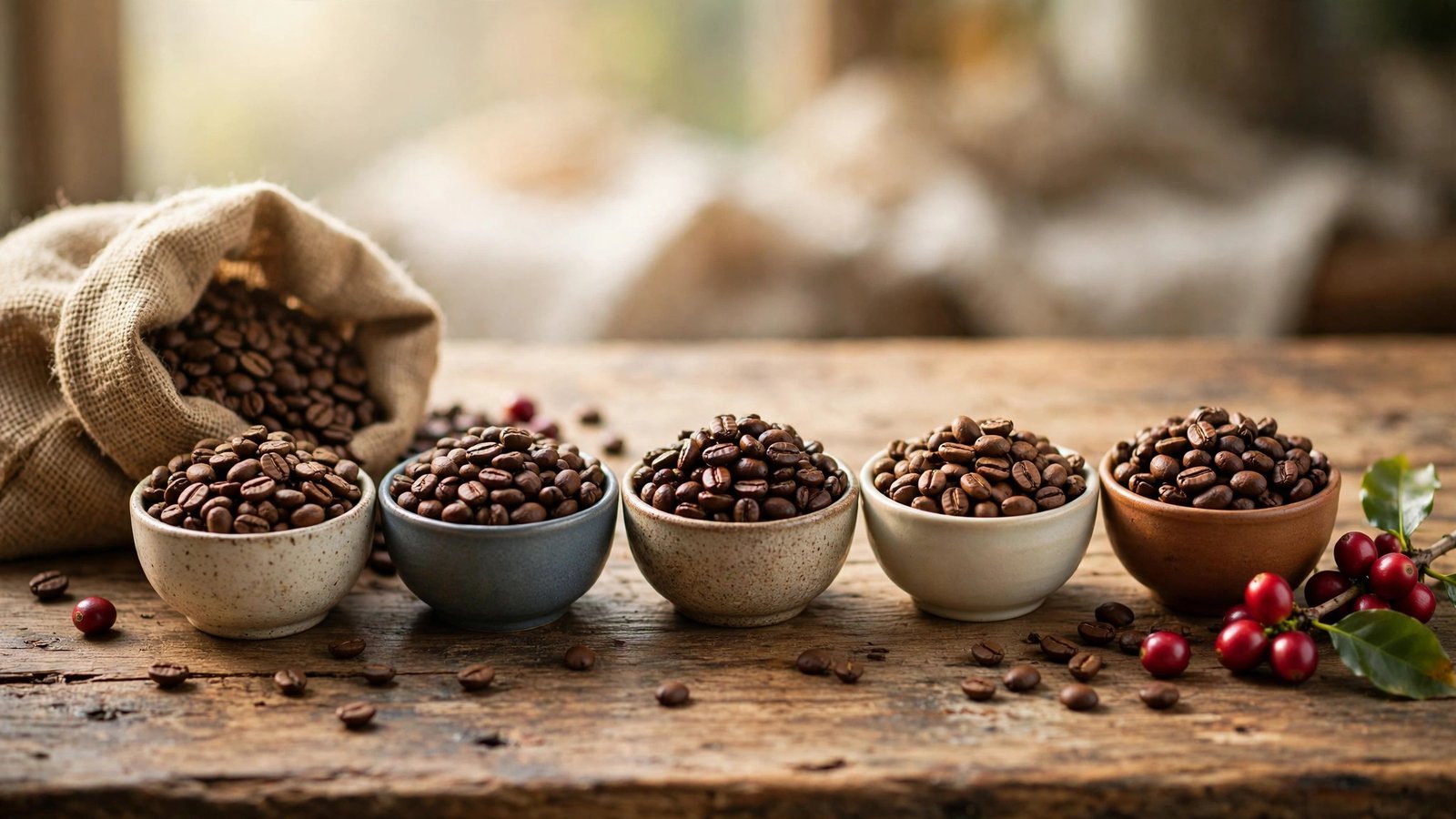
Roast level: what to actually buy
- Medium roast — sweet, balanced, keeps some origin character. The safest pick if you drink both straight espresso and milk drinks.
- Medium-dark roast — deeper chocolate and caramel notes, lower acidity. The classic espresso-roast zone, and what most DeLonghi owners end up sticking with.
- Dark roast — bold and smoky, great for cappuccinos and lattes. Fine in pump machines, but avoid shiny, oily bags in super-automatics.
- Light roast — bright and acidic, harder to extract properly on a small pump machine. Better saved for pour-over.
Look for bags labeled “espresso roast” or “espresso blend” — they’re roasted and blended to behave under pressure, which is exactly what a DeLonghi pump or thermoblock system needs. “Fresh” matters more than brand: buy beans roasted within the last 2–4 weeks, and use them within a month of opening.
Grind size and settings
Grind is where most DeLonghi shots go wrong, not the bean.
Super-automatics: start with the built-in grinder dial in the middle of its range (usually marked 4–6 on a Magnifica). If the shot runs too fast and tastes sour, go finer. Too slow and bitter? Go coarser. Only turn the dial while the grinder is actually running — adjusting it when idle can jam the mechanism.
Pump machines (Dedica, Stilosa): with a separate burr grinder, start around a fine table-salt texture. You’re aiming for about a 25–30 second pull for a 30 ml espresso shot. A burr grinder beats a blade grinder every time — blade grinders make a mix of dust and chunks, and that unevenness is what gives you sour-and-bitter in the same cup.
Pre-ground coffee works in a pinch, but it stales fast. Once ground, coffee loses aroma within hours in a humid kitchen, so grind fresh when you can.
Three mistakes that ruin DeLonghi coffee
1. Oily or flavored beans in a super-automatic. Dark French or Italian roasts look dramatic, but the surface oil cakes the grinder burrs and the brew group. Flavored beans are worse — the coating gums up everything. If your Magnifica suddenly grinds forever with nothing coming out, this is usually why.
2. Stale beans. Bags that have sat open for months make flat, lifeless espresso no matter how good the machine is. Check the roast date, not just the expiry date.
3. Neglecting cleaning. Rinse the brew group under warm water regularly (no soap — it leaves residue), wipe the steam wand after every milk drink, and descale every two to three months depending on your water hardness. Old coffee oil turns rancid and will spoil the taste of fresh beans.
Water: the boring part that matters
Water is most of what’s in your cup, so hard tap water leaves scale in the thermoblock and dulls flavor. A basic filtered jug or the water filter DeLonghi sells both help. If your tap water is very hard, filtered or bottled water with moderate mineral content is the way to go. Skip distilled water — with almost no minerals, espresso extracts flat and the machine’s sensors can misbehave.
FAQ
What type of coffee works best in DeLonghi machines?
Fresh whole-bean coffee at a medium-dark roast, ground medium-fine just before brewing. That’s the combination that gives the best crema and balance across DeLonghi’s pump and super-automatic machines.
Can I use pre-ground coffee in my DeLonghi?
Yes — super-automatics have a bypass chute for pre-ground, and pump machines take it in the portafilter. But pre-ground stales quickly and gives less consistent extraction, so treat it as the backup plan, not the daily routine.
What’s the best grind setting for a DeLonghi Magnifica?
Start in the middle of the dial (around 4–6) and adjust by taste: finer for sour/fast shots, coarser for bitter/slow ones. Only turn the dial while the grinder is running.
Can I use dark roast or flavored coffee in a super-automatic?
You can, but it’s asking for trouble. Very dark, oily roasts and flavored beans clog the built-in grinder and brew group. Stick to non-oily medium to medium-dark beans in super-automatics; save the dark roasts for pump machines like the Dedica.
Why does my DeLonghi espresso taste bitter?
Usually the grind is too fine (over-extraction), the beans are stale or too dark, or the brew group needs cleaning. Try a coarser grind first — it’s the most common fix.
Does DeLonghi need a specific “espresso” bean?
Not brand-specific, but beans labeled “espresso roast” or “espresso blend” are roasted to perform under pressure, so they’re a reliable starting point.