
Dark roast coffee is made from beans roasted longer and at higher temperatures than lighter roasts, which brings out bold, smoky flavours and lowers the acidity. Expect notes of dark chocolate, toasted nuts, and caramel — a rich, full-bodied cup that holds its own with milk or in espresso drinks. It does not, however, have more caffeine than lighter roasts, no matter what the bolder taste suggests.
If that bold, low-acid style sounds like your cup, here is everything worth knowing: how dark roast is made, how it tastes, how it compares to other roasts, and how to brew it well.
All coffee starts as green beans with almost no flavour. Roasting is what creates the taste — and the longer and hotter the roast, the darker the bean gets. Dark roast beans are taken to the point where natural oils rise to the surface, giving them their glossy look and deep, smoky character.
Roast level is often described by the bean’s internal temperature and colour. Light roasts are pulled earlier and keep more of the bean’s original character; dark roasts are roasted further, which mutes the bean’s origin flavours and replaces them with roast flavours — smoke, bittersweet chocolate, toasted sugar. Neither is better. They are simply different styles, and knowing which one you like is half the fun.
A good dark roast tastes bold and full-bodied rather than bright or fruity. The most common tasting notes are:
Acidity drops noticeably as the roast darkens, so if regular coffee tastes sour or sharp to you, dark roast often feels smoother and easier to drink. One thing to watch for: push the roast too far and the smoke turns to ash and the sweetness disappears. The best dark roasts stay on the right side of that line — bold, not burnt.
Because of that strength, dark roast pairs beautifully with milk and cream. The roast flavours punch through dairy instead of getting lost, which is exactly why most espresso blends and café-style drinks lean dark.
| Light Roast | Medium Roast | Dark Roast | |
|---|---|---|---|
| Bean colour | Light brown, dry surface | Medium brown | Dark brown, oily surface |
| Flavour | Bright, fruity, floral | Balanced, sweet, rounded | Bold, smoky, chocolatey |
| Acidity | High | Medium | Low |
| Body | Lighter, tea-like | Medium | Heavy, full |
| Bean character | Origin flavours shine | Mix of origin and roast | Roast flavours dominate |
| Best with milk? | Can taste thin | Works well | Shines — flavours hold up |
If you like tasting where a coffee comes from — a citrusy Ethiopian or a sweet Colombian — go lighter. If you want a deep, consistent, comforting cup that stands up to milk, dark roast is the natural pick.
Here is the honest answer: roast level barely changes the caffeine content, and the differences are too small for anyone to feel.
The common belief is that dark roast has less caffeine because “roasting burns it off.” In reality, caffeine is fairly stable during roasting. What does change is the bean’s weight: darker beans lose more mass, so if you measure your coffee by scoops (volume), a scoop of dark roast holds slightly fewer beans and therefore a touch less caffeine. Measure by weight on a scale, and dark roast can actually come out slightly higher per gram.
In practical terms, the difference is tiny either way. What matters far more for caffeine is how much coffee you use and how you brew it — a double espresso and a big mug of drip made from the same beans are worlds apart. So choose your roast for flavour, not for a caffeine boost.
Dark roast is forgiving and works with almost everything, but a few methods show it at its best:
Two tips that matter more than the method itself. First, use water just off the boil (around 90–96°C) rather than fully boiling — scorching water drags extra bitterness out of dark roasts. Second, buy whole beans and grind just before brewing when you can. Ground coffee goes stale faster, and dark roast loses its aroma quickly once ground. A simple burr grinder makes a bigger difference than upgrading your brewer.
Whole beans stay fresh longer and let you grind to suit your method — coarse for French press, fine for espresso. Ground coffee is convenient and works well for drip machines, but it loses flavour within days of opening. If you drink coffee daily and own a grinder, whole bean is the better buy. If convenience wins, ground is perfectly fine — just buy smaller bags and use them up quickly.
Plain black dark roast has almost no calories — typically under 5 per cup. Calories only creep in with milk, sugar, flavoured syrups, or whipped cream, so a simple black coffee or an Americano is the lightest way to enjoy it.
Is dark roast bad for you? Not in itself. Like any coffee, it contains antioxidants, and many people actually find its lower acidity gentler on the stomach than light roast. Health problems come from the usual suspects — too much caffeine late in the day, heavy sugar, oversized milky drinks — not from the roast level. For most healthy adults, a few cups a day fits comfortably into a balanced routine.
You will probably love dark roast if you:
You might prefer medium or light roast if you enjoy tasting subtle origin flavours, like a brighter cup, or drink your coffee black and want complexity over intensity.
Is dark roast the same as espresso?
No. Dark roast describes how the beans were roasted; espresso is a brewing method. You can brew espresso with any roast, though dark roasts are the most common choice for it.
Which roast has the most caffeine?
The difference between roasts is negligible. Light roast measures very slightly higher by volume and dark roast by weight, but brew method and coffee amount matter far more than roast level.
Is dark roast harder on the stomach?
Usually the opposite — dark roast’s lower acidity makes it easier on sensitive stomachs than light roast for many people.
Which roast is smoothest?
“Smooth” means different things to different people, but dark roast is the smoothest in terms of low acidity, while medium roast is often the smoothest all-rounder without bitterness.
Why is dark roast so popular?
Its bold, smoky flavour is familiar and consistent, it pairs well with milk, and it is the backbone of most café-style drinks — including the classic Starbucks-style cup.
Does dark roast taste bitter?
It can taste pleasantly bitter the way dark chocolate does. Harsh, ashy bitterness usually means over-roasted beans or water that was too hot — try a different bag or slightly cooler water.




Here’s a question most of us never actually answer: how much caffeine did you really have today? That morning latte, the mid-afternoon cold brew, the cola with lunch — they add up fast, and almost nobody does the math. So we built this caffeine calculator…
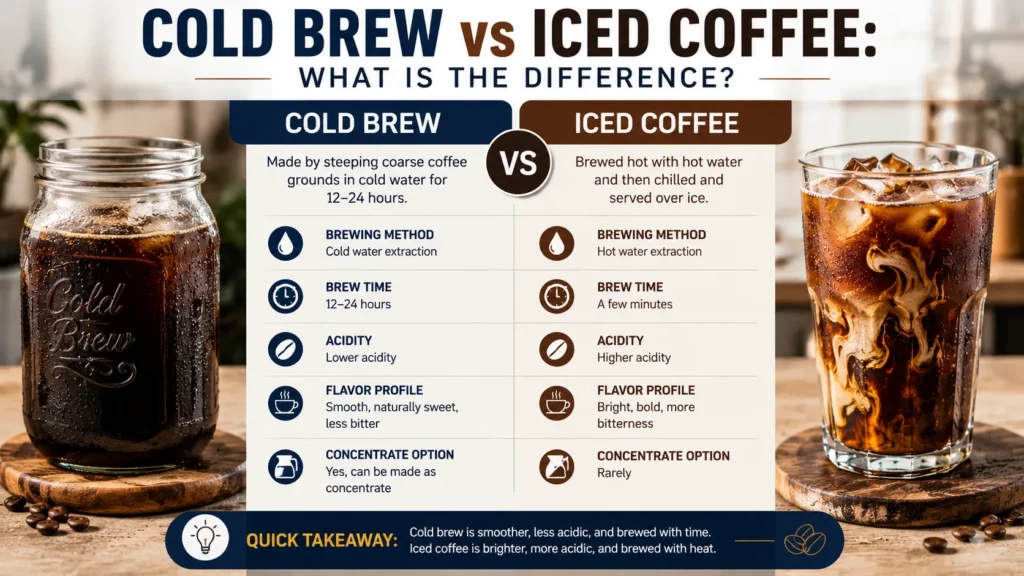
Cold brew vs iced coffee vs iced espresso — the summer menu looks simple until you have to choose. They all show up in a glass of ice. But they don’t taste the same, they aren’t made the same way, and they don’t take the…
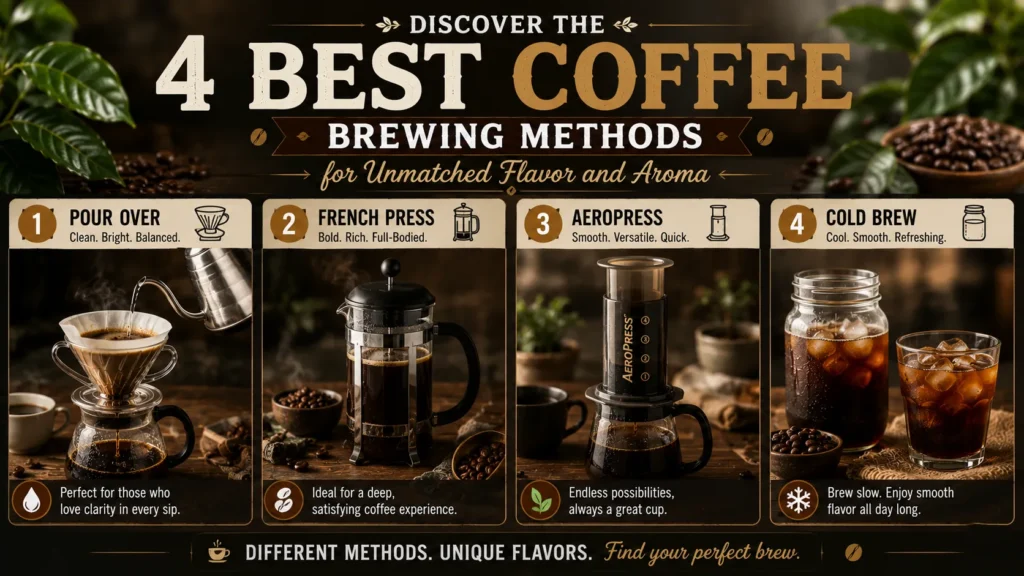
French press vs pour over vs espresso — three brewers, three very different cups of coffee. None of them is objectively “the best.” They just suit different mornings, different budgets, and different tastes. This guide compares all three honestly: how each one works, what the…

Explore the world of coffee with honest reviews and practical advice. Find your perfect cup, one bean and machine at a time.