
Vanilla syrup for coffee is the quickest way to make a homemade cup taste like a café drink. It adds smooth sweetness and a soft vanilla aroma that rounds out bitterness without hiding the coffee itself. One or two teaspoons per cup is enough for most drinks — more than that, and the vanilla starts to take over.
If your morning coffee tastes a little flat or harsh, a splash of vanilla syrup often fixes it. Unlike regular sugar, which can sink to the bottom of iced drinks, syrup dissolves instantly in hot and cold coffee alike. That even blending is why cafés rely on it for lattes, iced coffees, and cold brews.
Why Vanilla Works So Well in Coffee
Coffee’s roasted, sometimes bitter notes pair naturally with vanilla’s warm sweetness. The syrup doesn’t just sweeten — it smooths the edges. A cup brewed a little too strong or from beans that aren’t your favorite can become genuinely enjoyable with the right amount of vanilla syrup.
It also gives you consistency. Measuring a spoonful or a pump is far easier than eyeballing sugar granules, so every cup comes out tasting the same.
How Much Vanilla Syrup Should You Add Per Cup?
Start small — you can always add more, but you can’t take it back.
- Hot coffee or latte (8–12 oz): 1–2 teaspoons (5–10 ml)
- Iced coffee or cold brew (12–16 oz): 1–2 tablespoons (15–30 ml), since ice dilutes sweetness
- Espresso drinks (cappuccino, macchiato): 1 teaspoon is usually plenty
If your bottle has a pump, one standard pump dispenses roughly 1/4 oz (about 7 ml) — so one to two pumps covers most drinks. Taste before adding a second pump.
Store-Bought vs Homemade: Which Should You Choose?
Both have their place. Here’s how the main options compare:
| Type | Flavor | Sugar per serving | Best for | Price range |
|---|---|---|---|---|
| Torani Vanilla | Sweet, classic café taste | ~19 g per pump (7 ml) | Home lattes, iced drinks; widely available | Budget-friendly, ~$8–12 per 750 ml bottle |
| Monin Vanilla | Milder, more natural vanilla notes; made with pure cane sugar | ~20 g per pump (7 ml) | People who want a cleaner ingredient list | Mid-range, ~$10–14 per 750 ml bottle |
| Sugar-free (e.g. Torani Sugar Free) | Similar flavor, sweetened with sucralose or similar | ~0 g sugar | Low-calorie diets | Similar to regular |
| French vanilla | Richer, creamier, more dessert-like | ~19–20 g per serving | Lattes and cappuccinos where milk adds creaminess | Similar to regular |
| Homemade | Fully customizable — you control the sweetness | Whatever you add | Cleanest ingredient list, cheapest option | Pennies per batch |
Monin tends to taste a little more natural to most people, while Torani is easier to find and comes in more flavors. Honestly, both make a good cup — pick whichever is easier for you to buy.
Easy Homemade Vanilla Syrup Recipe
Making your own takes about 10 minutes and costs far less than a store bottle. You also skip the preservatives and artificial flavoring.
You’ll need:
- 1 cup (200 g) granulated sugar
- 1 cup (240 ml) water
- 1–2 teaspoons pure vanilla extract
Steps:
- Combine the sugar and water in a small saucepan over medium heat.
- Stir until the sugar dissolves completely — don’t let it boil hard.
- Remove from the heat and stir in the vanilla extract.
- Let it cool, then pour into a clean glass bottle or jar.
- Store in the fridge for up to 3–4 weeks.
Swap white sugar for brown sugar or honey if you want a deeper, warmer flavor. Use vanilla bean paste instead of extract for a stronger vanilla punch.
What About Sugar-Free Vanilla Syrup?
If you drink flavored coffee daily, the sugar adds up fast — two pumps can add 40 grams of sugar to your morning. Sugar-free syrups use sweeteners like sucralose or stevia instead, giving you the flavor at near-zero calories.
They taste close to regular syrup, though some people notice a slight aftertaste from the sweetener. If you’re cutting calories or managing blood sugar, they’re a sensible swap. Just read the label — “sugar-free” doesn’t always mean free of everything you’d rather avoid.
Calories in Vanilla Syrup: What to Know
Regular vanilla syrup has about 20 calories per teaspoon (5 ml). A typical home latte with two teaspoons adds roughly 40 calories — modest, but worth knowing if you have several flavored coffees a day. Sugar-free versions drop this to nearly zero.
Tips for the Best Results
- Add syrup before milk in hot drinks so it blends evenly.
- For iced drinks, add syrup to the coffee first, then pour over ice.
- Store opened bottles at room temperature in a cool, dark spot; homemade syrup goes in the fridge.
- Check the ingredient list — real vanilla extract beats “natural flavors” if you care about taste.
A Note on Starbucks-Style Drinks
Café chains like Starbucks use their own branded vanilla syrup, formulated for consistent sweetness in both hot and iced drinks. You won’t buy that exact syrup in stores, but Torani or Monin gets you very close at home — pair it with properly frothed milk and you’ve got the flavor for a fraction of the price.
FAQs
Which vanilla syrup is best for coffee?
It depends on your priorities. Monin is a great pick if you want natural flavor and pure cane sugar. Torani is the most widely available and affordable. For the cleanest option at the lowest cost, make your own — it takes 10 minutes and three ingredients.
How much vanilla syrup should I put in my coffee?
Start with 1–2 teaspoons (5–10 ml) per 8–12 oz cup and adjust to taste. For iced drinks, you may need a bit more since the ice dilutes the sweetness. One pump from a standard syrup bottle is roughly 1/4 oz (7 ml).
How many calories are in vanilla syrup for coffee?
Regular vanilla syrup has about 20 calories per teaspoon. A typical flavored latte with two teaspoons adds around 40 calories. Sugar-free versions have close to zero.
Is vanilla syrup healthier than sugar?
Not really — regular vanilla syrup is essentially sugar dissolved in water, so it has the same calorie and sugar impact. Sugar-free syrup is the lighter option, but read labels for artificial sweeteners you may want to avoid.
How do I make vanilla syrup for coffee at home?
Heat equal parts sugar and water until the sugar dissolves, remove from heat, stir in 1–2 teaspoons of pure vanilla extract, cool, and refrigerate. It keeps for 3–4 weeks in a sealed bottle.
Can I use vanilla syrup in cold brew and iced coffee?
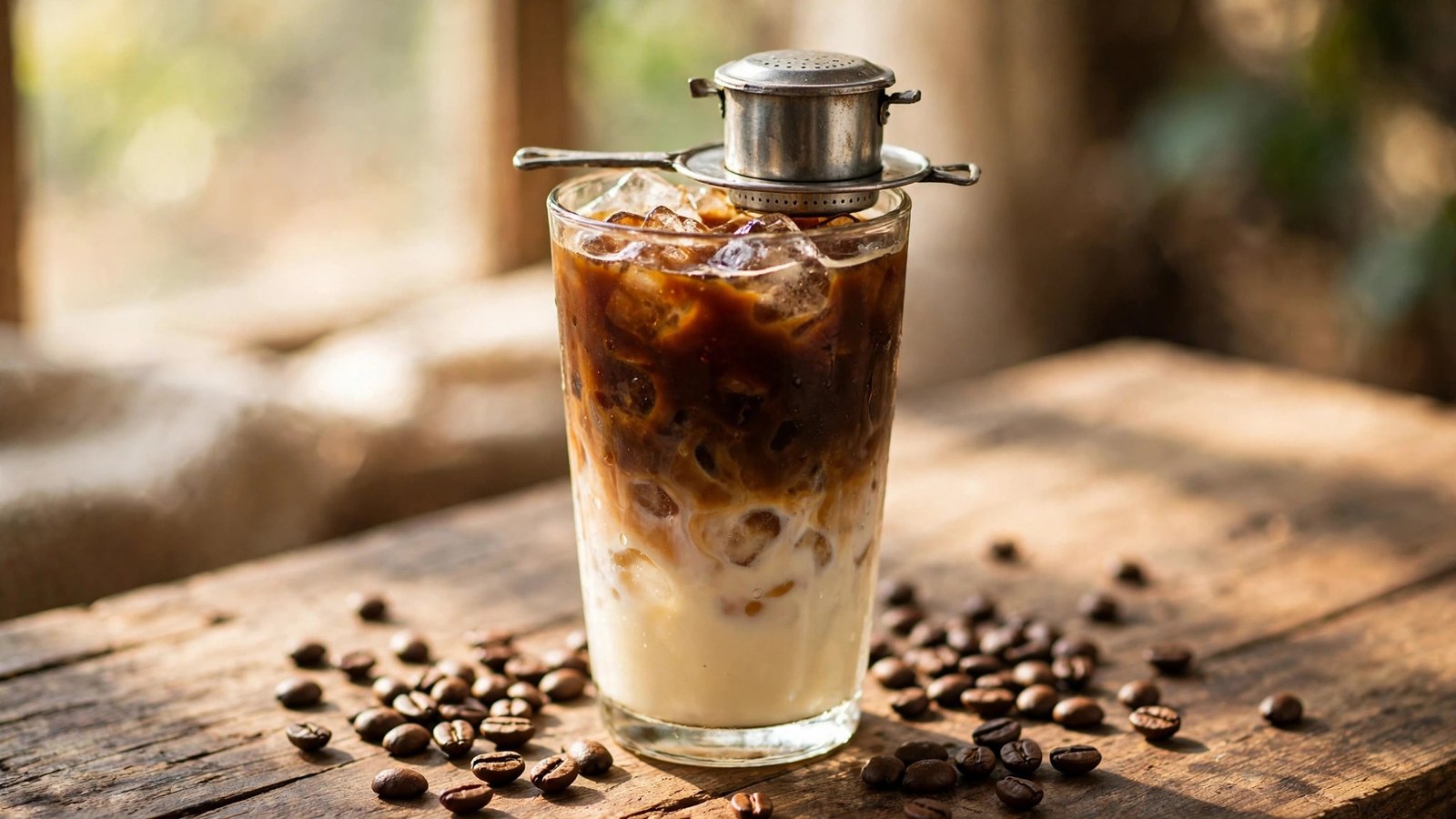
Yes — that’s one of its biggest advantages over granulated sugar. Syrup dissolves instantly in cold liquids, so it blends smoothly into iced coffee, cold brew, and iced lattes without sinking to the bottom.
What’s the difference between French vanilla and regular vanilla syrup?
French vanilla syrup has a richer, creamier, more dessert-like flavor than regular vanilla. It pairs especially well with milk-based drinks like lattes and cappuccinos. Regular vanilla is lighter and lets the coffee flavor come through more.