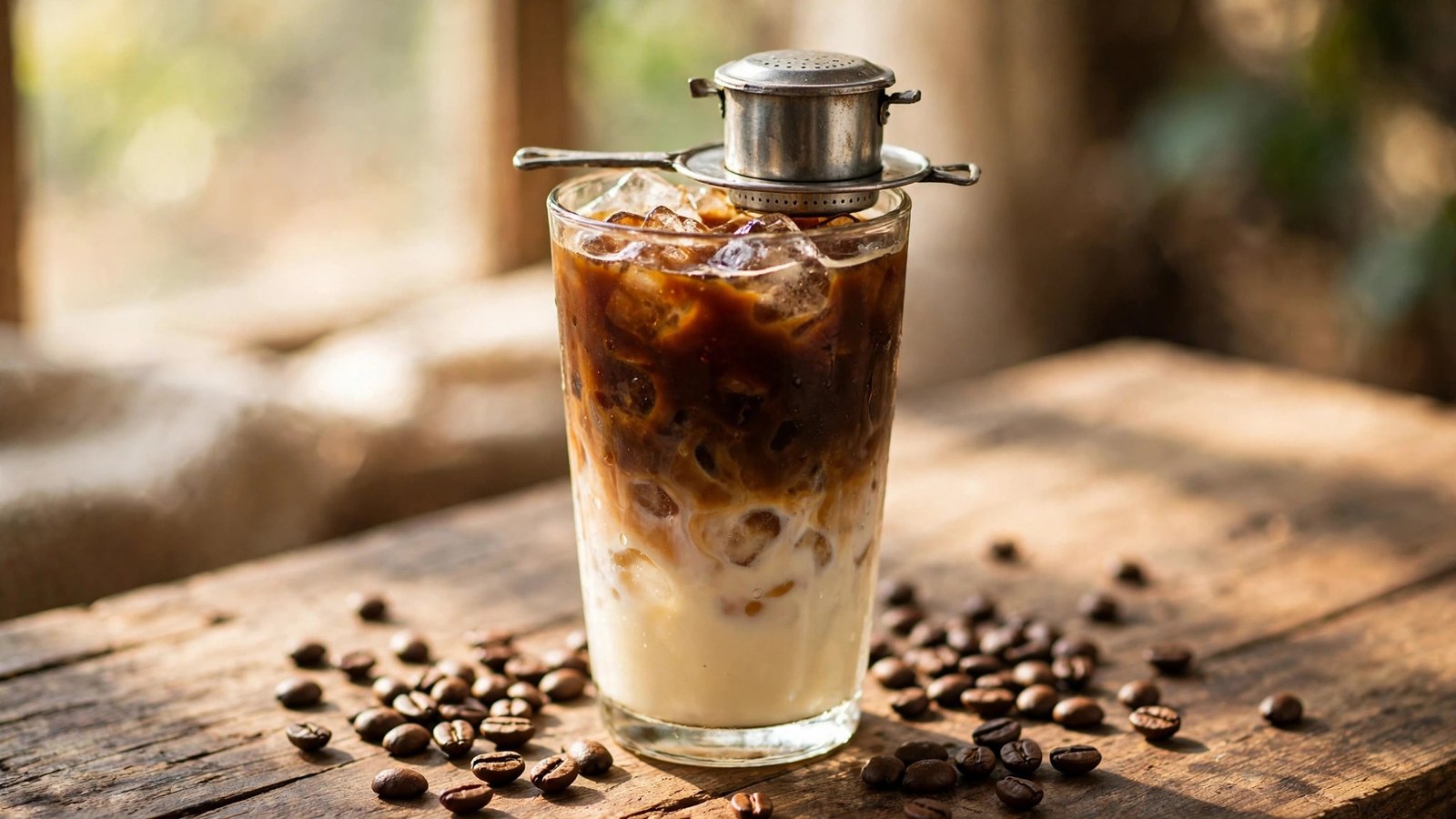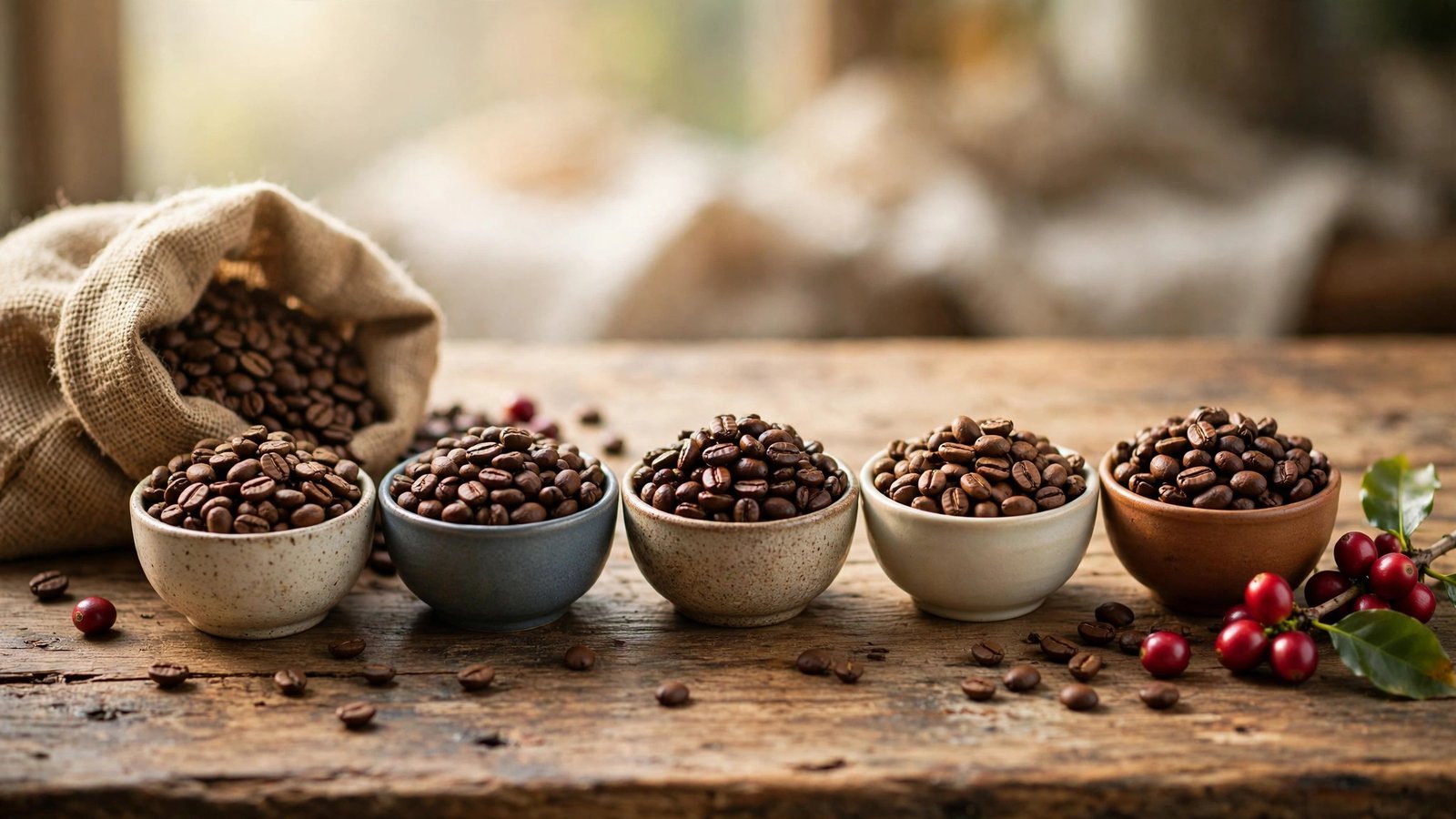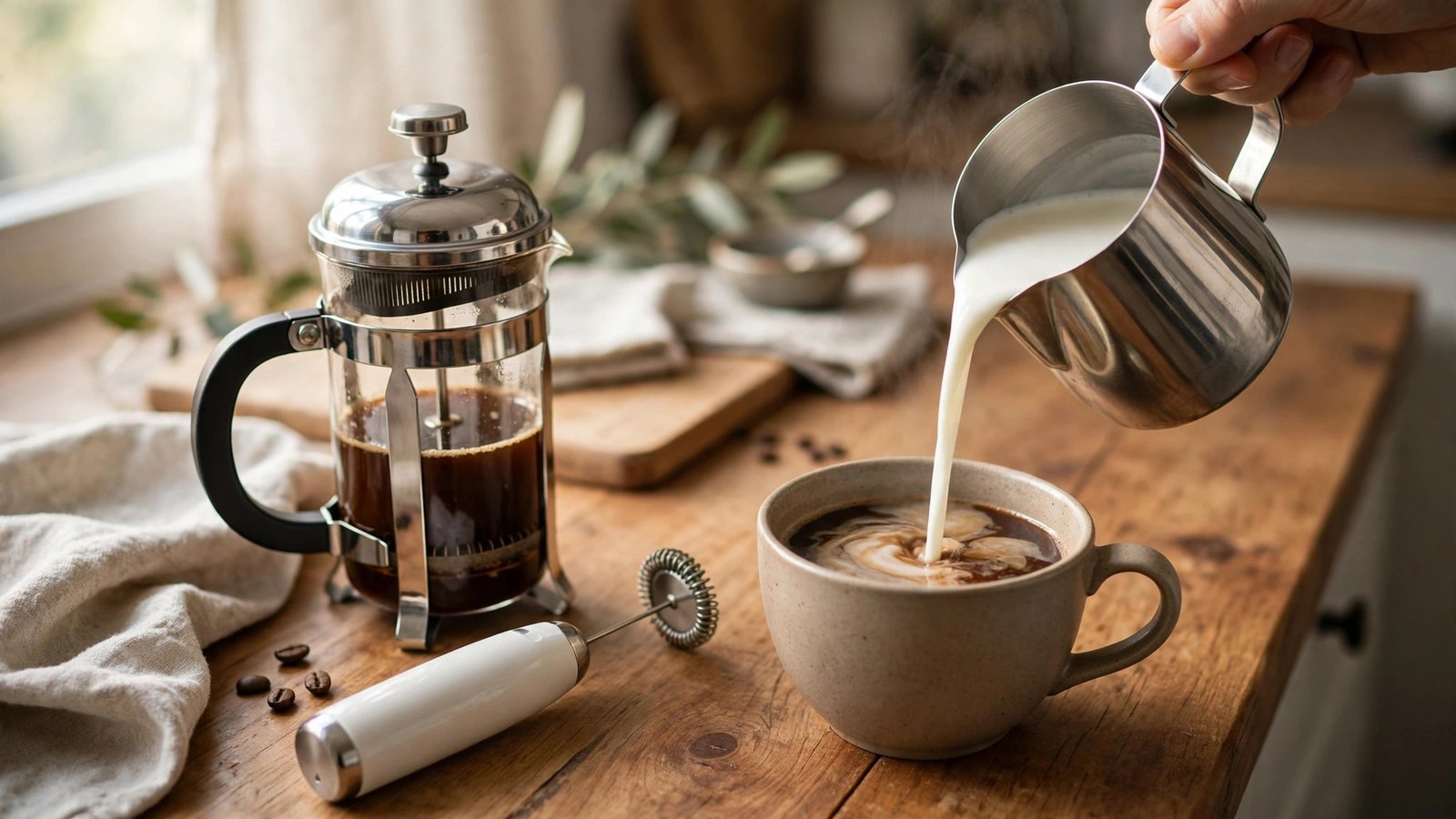

Cold brew coffee concentrate is a strong, smooth coffee made by steeping coarse coffee grounds in cold water for 12–24 hours. It’s brewed intentionally strong so you can dilute it with water or milk later — one batch can stretch across a whole week of drinks.
If you’ve ever wondered why café cold brew tastes smoother and naturally sweeter than regular iced coffee, this is why. Let’s get into how it works, the exact ratio to use at home, and how to avoid the mistakes that turn it bitter or murky.
Why Cold Brew Concentrate Is So Popular
Concentrate skips the daily grind — literally. You brew once, stash a bottle in the fridge, and pour a proper iced coffee or latte in under a minute all week. Coffee shops started bottling their own because customers kept asking for it, and grocery brands followed fast.
The flavor is the other big draw. Cold water pulls out fewer of the sharp, bitter compounds that hot brewing extracts, so the result is rounder, mellower, and often naturally sweet. If hot coffee upsets your stomach, many people find cold brew sits easier — though it’s not acid-free, and it is still strong.
What Does Cold Brew Concentrate Taste Like?
Expect a deeper, smoother cup than regular brewed coffee: softer bitterness, a fuller mouthfeel, and often chocolate or nutty notes — especially with medium or dark roasts. Brazilian and Colombian beans are a safe bet if you’re buying beans for your first batch.
The final taste depends on four things: grind size, roast, steeping time, and your dilution ratio. Keep a little note of what you did so you can tweak it next time.
How to Make Cold Brew Coffee Concentrate at Home
You need exactly three things: coffee, water, and patience. A large jar or pitcher and something to strain with — a fine mesh strainer lined with cheesecloth or a paper filter does the job.
Ingredients
| Ingredient | Quantity |
| Coarse ground coffee | 1 cup |
| Cold filtered water | 4 cups |
Step 1: Use a coarse grind
Grind your beans to about the texture of sea salt — freshly ground if you can. Fine grounds over-extract and leave you with muddy, bitter sludge.
Step 2: Combine and stir
Put the grounds in your jar, pour the cold filtered water over slowly, and stir gently so every ground is saturated.
Step 3: Steep 12–24 hours
Cover and leave it at room temperature or in the fridge. Twelve hours gives you a clean, balanced batch; closer to 20–24 gives deeper body but risks going bitter if your grind is too fine. Around 16 hours is a good middle ground to start.
Step 4: Strain well
Pour through a fine mesh strainer, then again through cheesecloth or a paper filter. Straining twice is what separates silky concentrate from gritty concentrate.
Step 5: Bottle and refrigerate
Transfer to a clean, airtight bottle and refrigerate right away. Homemade concentrate typically stays fresh for about 7–14 days sealed in the fridge. Drink it within a week for the best flavor, and toss it if it smells off, tastes sour, or looks cloudy.
Want the regular-strength version instead? Our full how to make cold brew guide walks through the ready-to-drink method step by step.
The Best Cold Brew Concentrate Ratio
The 1:4 coffee-to-water ratio is the sweet spot for most home brewers: strong enough to dilute, smooth enough to drink straight-ish if you’re brave.
| Coffee | Water | What You Get |
| 1 cup | 4 cups | Strong concentrate (dilute 1:1) |
| 1 cup | 5 cups | Medium concentrate (lighter cup) |
| 1 cup | 8 cups | Ready-to-drink cold brew (no dilution needed) |
Start at 1:4, taste it, and adjust next batch. Too harsh? Go 1:5 or cut your steep time. Tastes thin after diluting? Nudge it to 1:3.5.
How to Dilute Cold Brew Concentrate
Equal parts concentrate and water or milk is the standard starting point — adjust from there. Oat milk and almond milk pair especially well with cold brew’s smooth texture.
| Drink | Mix |
| Classic iced coffee | 1 part concentrate + 1 part water over ice |
| Iced latte | 1 part concentrate + 1 part milk over ice |
| Hot coffee (quick) | 1 part concentrate + 1 part hot water |
| Stronger morning cup | 1 part concentrate + ½ part water |
How Much Caffeine Is in Cold Brew Concentrate?
Concentrate runs higher in caffeine than regular coffee simply because more grounds go into each batch. But how much ends up in your cup depends on the bean, roast, steep time, and — most importantly — how much you dilute it.
| Coffee Type (8 oz serving) | Typical Caffeine Range |
| Regular brewed coffee | 80–120 mg |
| Standard cold brew (ready-to-drink) | 100–200 mg |
| Diluted cold brew concentrate | 150–300 mg |
Two honest caveats: stronger taste doesn’t always mean more caffeine — light roasts can actually carry slightly more caffeine by weight than dark roasts because the beans are denser. And a big diluted mug of concentrate can easily match two cups of drip coffee, so keep your usual caffeine limits in mind.
Concentrate vs. Regular Cold Brew vs. Iced Coffee
| Feature | Cold Brew Concentrate | Regular Cold Brew | Iced Coffee |
| Brew method | Cold steep, high coffee ratio | Cold steep, drinkable ratio | Brewed hot, poured over ice |
| Brew time | 12–24 hours | 12–24 hours | Minutes |
| Strength | Strong — must dilute | Ready to drink | Ready to drink |
| Flavor | Smooth, deep, full body | Smooth, mellow | Sharper, brighter |
| Shelf life (fridge) | ~1–2 weeks | ~1–2 weeks | Best same day |
Popular Ready-Made Concentrates
If you’d rather buy than brew, these are the names you’ll see most often on shelves — noted here as examples, not rankings:
- Starbucks Cold Brew Concentrate — widely available, smooth and balanced, usually mixed 1:1 with water; also comes in flavored versions like vanilla and caramel.
- Chameleon Cold Brew — known for its organic, fair-trade beans.
- SToK Cold Brew — marketed toward a stronger caffeine profile.
- Califia Farms — dairy-free blends aimed at the plant-milk crowd.
- Jot — an ultra-concentrated liquid coffee designed for very small servings.
When buying, check the ingredient list: unsweetened versions give you more control, and it’s worth glancing at the caffeine info so you know how to dilute it.
Common Mistakes to Avoid
- Grind too fine — the #1 way to get bitter, murky concentrate.
- Steeping way too long — beyond 24 hours you start pulling unpleasant flavors.
- Straining once — sediment kills the silky texture; strain twice.
- Tap water in a hard-water area — filtered water gives a cleaner cup.
- Skipping the fridge — concentrate left at room temperature spoils fast; always refrigerate after straining.
How to Use Cold Brew Concentrate
Beyond iced coffee: blend it into smoothies or protein shakes, splash it into tiramisu or chocolate cake batter, mix with hot water for a fast hot coffee, or use it in homemade coffee ice cream. One batch genuinely covers a week of experiments.
FAQ
What is cold brew coffee concentrate?
A strong coffee extract made by slowly steeping coarse coffee grounds in cold water for 12–24 hours. It’s brewed concentrated on purpose so you dilute it before drinking.
What is the best cold brew concentrate ratio?
A 1:4 coffee-to-water ratio is the most common starting point — balanced, strong enough to dilute, and easy to adjust from batch to batch.
How long does homemade cold brew concentrate last?
About 7–14 days in a sealed bottle in the fridge. For the freshest flavor, aim to finish it within a week.
Can you heat cold brew concentrate?
Yes — mix it with hot water for a quick hot coffee. It won’t taste like fresh drip, but it works in a pinch.
Is cold brew concentrate the same as espresso concentrate?
No. “Cold brew espresso concentrate” is just extra-strong cold brew meant to mimic espresso-style drinks — real espresso is brewed under pressure, which cold steeping can’t replicate.
Is cold brew concentrate stronger than iced coffee?
Per ounce, yes — it uses more coffee during brewing. Once diluted properly, a serving lands in a similar ballpark to a strong cup of coffee.
Final Thoughts
Cold brew concentrate is one of the highest-value things you can brew at home: one evening’s effort, a fridge bottle that lasts a week, and coffee-shop drinks whenever you want them. Start with the 1:4 ratio, strain carefully, refrigerate promptly, and adjust to taste. Once you dial in your own recipe, the store-bought bottles start looking a lot less tempting.