
Coffee Paper Tube Packaging Trends 2026 | Why Roasters Are Switching
Jump To
Coffee Paper Tube Packaging Trends 2026 | Why Roasters Are Switching
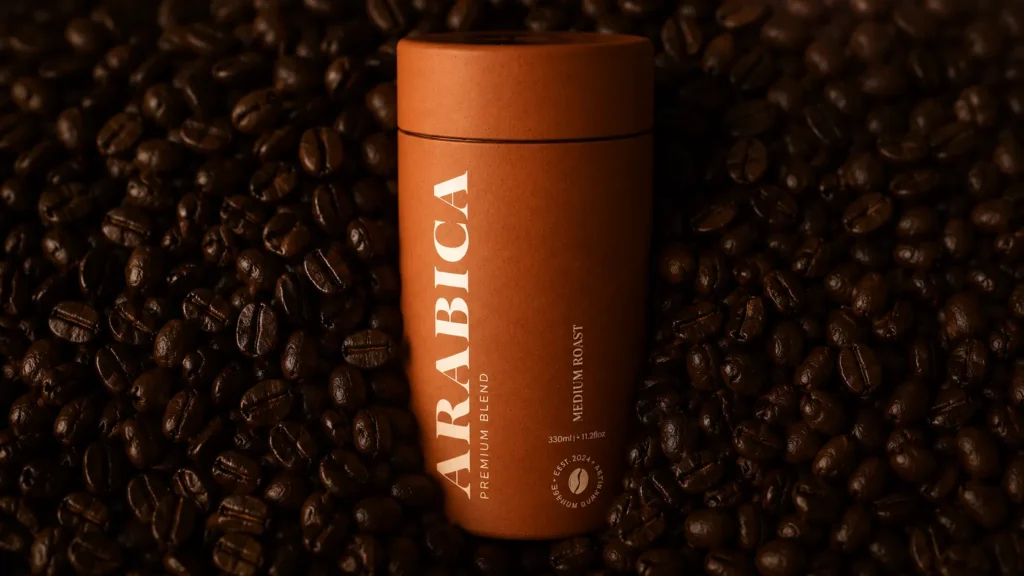
The shift happened quietly. No announcement. No industry memo. But somewhere between 2023 and now, roasters stopped apologizing for their packaging.
Five years ago, sustainability was a selling point. A differentiator. “We use recyclable bags” was marketing gold. Customers noticed. Competitors copied. The conversation moved on.
Today, roasters who still ship in standard plastic bags aren’t being innovative. They’re being negligent.
Here’s what changed: consumers got smart. They realized that the entire supply chain matters. They know you care about single-origin sourcing, fair trade pricing, and perfect roast profiles. But they also know that if your coffee arrives in cheap plastic that ends up in a landfill, your values don’t run deep. Actions matter more than messaging.
This awareness has fundamentally changed how roasters think about packaging. It’s no longer a cost center. It’s a brand statement.
The roasters winning in 2025 aren’t the ones with the cheapest packaging. They’re the ones whose packaging reflects their actual values.
Why Roasters Are Moving Away From Plastic
Let’s be direct. Plastic bags were convenient. Cheap. Easy to source. They worked fine for shipping.
But “fine” doesn’t cut anymore.
A plastic bag degrades your coffee. Even sealed bags allow micro-amounts of oxygen to penetrate over time. Your beans that taste exceptional on day one taste noticeably different on day 45. Customers notice. They post about it. They don’t reorder.
More importantly, customers notice the packaging itself. They see plastic and think of landfills. They think of oceans. They think about whether you actually care about the planet or just claim to.
That perception gap is toxic for specialty roasters.
The roasters we’ve talked to who made the switch from plastic describe the same experience: the first time a customer opened a tube instead of a bag, they got feedback they’d never received before. “This feels premium.” “I can tell you care.” “I’m actually going to keep this for storage.”
These aren’t comments about coffee quality. They’re comments about perceived value. And perceived value drives loyalty.
Plastic bags create the opposite perception. Customers feel like they’re buying commodity coffee, even if it’s exceptional.
Why 3-Piece Rigid Cardboard Tubes Win
Not all cardboard packaging is created equal.
The roasters making real headway in 2025 are using rigid 3-piece cardboard tubes. Not 2-piece. Not kraft bags with plastic windows. 3-piece rigid.
Here’s why this matters.
A 3-piece rigid tube consists of a cardboard body, a bottom cap, and a top cap. The structure is solid. No flex. No compromise. When a customer opens your package and pulls out your coffee, they’re holding something that feels intentional. Engineered. Built specifically for coffee, not repurposed from something else.
The rigidity serves a practical purpose too. It creates a sealed cavity. The air gap around the coffee is minimized. You control the environment your beans sit in. Oxygen barrier performance is significantly better than 2-piece alternatives or kraft bags.
2-piece tubes have one major flaw: the seam. Where the body meets the bottom cap, there’s always some gap. It’s tiny. But oxygen is patient. Over 60 days, that micro-gap compounds. Your freshness window shrinks.
3-piece tubes eliminate this problem. The bottom cap is fully enclosed. The seal is complete. Freshness holds for 90+ days, not 45.
This is why specialty roasters are standardizing on 3-piece. It’s not about looking fancy. It’s about keeping coffee fresh.
If you’re sourcing tubes right now, look specifically at rigid 3-piece options. Compare the barrier specifications with what you’re currently using. The difference is measurable and your customers will taste it.
What to Actually Ask Your Packaging Supplier
Here’s where most roasters get it wrong.
They request quotes. They compare prices. They order based on cost per unit at their expected volume.
Then the tubes arrive and they’re shocked: the seal quality is inconsistent, the print doesn’t match the mockup, the freshness performance doesn’t match claims, or the lead times are longer than promised.
The roasters winning right now ask different questions upfront. Here’s what actually matters:
Question 1: How long will my coffee stay fresh?
Don’t accept vague answers. Ask for specifics: “At what point does oxygen ingress reach levels that impact aroma?” “What’s your measured barrier performance in days?” “What testing standard are you using?”
Real suppliers can answer this. They’ve run tests. They have data. If they can’t quantify freshness performance, they’re guessing.
The difference between a tube that keeps coffee fresh for 60 days versus 90 days is massive for roasters who ship nationally or internationally. It directly impacts your reputation.
Question 2: What customization options do you actually offer?
Not “do you do custom printing” because of course they do. Ask: “What colors can you print without additional setup fees? What finishes are available? Can you do metallic inks? What about embossing?”
This matters because mediocre customization limits your branding. If you want your tube to stand out on a shelf, you need a supplier who can execute sophisticated design. Most can’t.
The best suppliers in 2025 are the ones who’ve worked with hundreds of roasters and know what design actually converts customers into repeat buyers. They can tell you what works and what doesn’t.
Get samples. See how the printing holds up. Check the color accuracy. Most roasters regret not doing this before ordering 5,000 units.
Beyond These Two Questions
Everything else is secondary, but worth clarifying:
Certifications matter. FSC certification means the cardboard comes from responsibly managed forests. Not greenwashing. Actual certification. If a roaster cares about sustainability (and most do now), ask about it.
Lead time is real. If your supplier needs 45 days and you need tubes in 20 days, that’s a problem. Manufacturing capacity varies wildly. Ask about typical turnaround and what “rush” options cost.
Pricing structure varies. Some suppliers charge per unit with volume breaks. Others charge setup fees that kill small orders. Understand the full equation before committing.
But honestly, if your tubes keep coffee fresh and look exceptional, the rest is logistics. Those two things drive everything.
The Shift is Permanent
This isn’t a trend that’ll reverse. Roasters aren’t going back to plastic bags because packaging costs dropped or supply chains got easier.
The shift is permanent because customer expectations changed. Once consumers understand that packaging is a brand choice, not an accident, they evaluate roasters differently.
The roasters who recognized this early gained real advantage. The ones still debating whether packaging matters are slowly losing ground.
If you’re still using plastic bags or basic kraft, 2025 is the year to make the move. The conversation has already shifted. Your packaging now communicates something specific about your brand.
Make sure it’s saying what you actually mean.
Related Coffee Topics You May Like
Looking to upgrade your coffee packaging?
If you’re exploring 3-piece rigid cardboard tubes specifically, there’s a category of suppliers who’ve built their entire business around this. They’ve worked with hundreds of roasters and understand the unique demands of coffee packaging. They can spec tubes that keep your beans fresh, handle sophisticated custom printing, and deliver on timelines that actually work for growing roasters.
The distinction between tubes that keep coffee fresh for 60 days versus 90 days matters significantly for roasters shipping nationally. It directly impacts customer satisfaction and repeat orders. When evaluating suppliers, ask for measured freshness data and barrier performance specs. Real manufacturers have tested this. The best options in the market right now are rigid 3-piece cardboard tubes with proper sealing architecture. If you’re looking at options, search for coffee paper tube suppliers who can provide FSC certification and consistent customization.
They offer FSC certification, custom printing capabilities, and 15-day turnaround, which is notably faster than industry standard. Worth at least getting a sample and seeing how their tubes perform with your specific beans.
The key is testing before you commit. Get samples from a few suppliers. Run your beans through their tubes for a month. See how freshness holds. See how the design looks. Then decide.
Your packaging choice in 2025 is a direct reflection of your brand values. Choose accordingly.

Moses Anthony
Moses Anthony is a coffee enthusiast and home brewing specialist with over 7 years of hands-on experience testing coffee beans, espresso machines, grinders, and brewing methods. He has spent years experimenting with pour-over, French press, drip coffee, and espresso to help everyday coffee drinkers brew better coffee at home.At Best Coffee Guide, Moses focuses on practical brewing tips, honest product comparisons, and beginner-friendly coffee education based on real testing and research. His goal is to simplify coffee brewing and help readers make better choices with confidence.
How to Make Coffee Easy: Effortless Tips for Barista‑level Brew at Home
September 17, 2026
No Comments
Read More » Mastering the Art: How to Make Coffee Darker for a Richer, Bold Brew
September 16, 2026
No Comments
Read More » 
How to Make Coffee Dip: Easy Steps to Create a Rich, Coffee-infused Spread
September 15, 2026
No Comments
Read More » Latest Pots
Imagine waking up, craving a rich cup, but feeling overwhelmed by complicated machines and vague recipes. You want great coffee without the fuss, and you deserve a method that works every single time. This guide shows you exactly how to make coffee easy, turning morning…
Many coffee lovers crave a cup that looks as deep and intense as its flavor promises. If your brew often turns out light or washed out, you’re not alone—achieving that striking darkness involves more than just adding extra grounds. In the next few paragraphs we’ll…

Explore the world of coffee with honest reviews and practical advice. Find your perfect cup, one bean and machine at a time.
Main Menu
Top Categories
Newsletter
Sign up our newsletter to get updated information, promo or insight for free.
Copyright © 2025 Best Coffee Guide, All rights reserved.