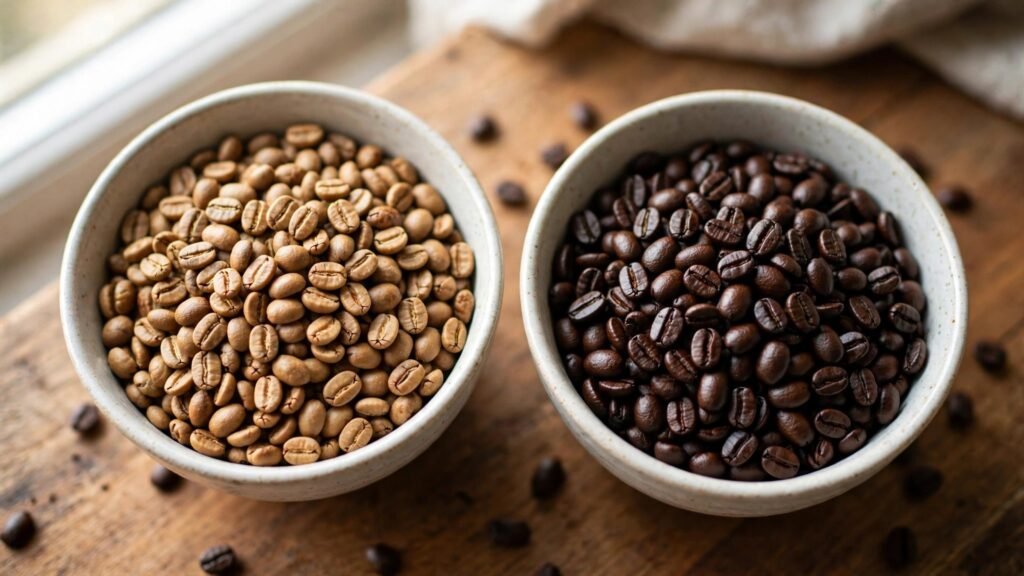
Arabica vs Robusta: Which Bean for Espresso, Milk Drinks and Black Coffee
Arabica vs robusta is the oldest debate in coffee. Most bags name one or the other. Many blends mix both. The question is not which bean is better. The question is which bean suits your drink. This guide answers that question plainly. You will buy the right bag next time.
The Two Beans at a Glance
Arabica grows at high altitude. It needs mild weather and care. It gives delicate, complex flavors. Most specialty coffee is arabica. It costs more to grow and pick.
Robusta grows at low altitude. It tolerates heat and pests well. It gives strong, bold flavors. It costs less to grow and harvest. Much instant coffee uses robusta. So do many espresso blends.
Neither bean is a villain here. Each one shines in a different cup. The trick is matching bean to drink.
Taste Compared
Arabica tastes softer and sweeter. Common notes include fruit, flowers, and caramel. Acidity feels bright and lively. Body feels light to medium. Black coffee drinkers often prefer it. The fine flavors show best without milk.
Robusta tastes stronger and harsher. Common notes include earth, wood, and dark chocolate. Bitterness stands out more. Body feels heavy and thick. Milk drinkers often prefer it. The bold flavor cuts through milk well.
Published figures back up the taste gap. Arabica holds more sugar than robusta. It also holds roughly 60 percent more lipids. Lipids carry aroma and body. That is one reason arabica tastes smoother. Robusta holds less sugar and fewer lipids. That is one reason it tastes rougher.
| Trait | Arabica | Robusta |
|---|---|---|
| Taste | Sweet, fruity, floral | Bold, earthy, bitter |
| Acidity | Bright and lively | Low and flat |
| Body | Light to medium | Heavy and thick |
| Sugar and lipids | Higher | Lower |
| Best black | Yes — fine flavors shine | Rarely — can taste harsh |
| Best with milk | Good, if the roast is bold | Excellent — flavor cuts through |
Caffeine and Crema
Robusta holds more caffeine than arabica. Published ranges put robusta near 2.2 to 2.7 percent. Arabica sits near 1.2 to 1.5 percent. A robusta cup wakes you harder. An arabica cup wakes you gentler. If you drink coffee late, arabica suits better.
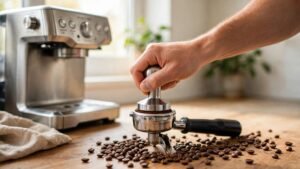
Robusta also makes more crema. Crema is the golden foam on espresso. Robusta beans produce a thick, lasting crema. Arabica crema is thinner and fades faster. That is why espresso blends add robusta. A blend with some robusta looks better in the cup. It also tastes bolder under milk.
One myth needs busting here. More crema does not mean better coffee. Crema shows pressure and fresh gas. It does not prove flavor quality. Judge the cup by taste, not by foam.
Which Bean for Which Drink
Use this guide at the shelf:
- Black filter coffee: choose arabica. Fine flavors show best here.
- Espresso straight: choose a blend with mostly arabica and some robusta.
- Milk drinks (latte, cappuccino, flat white): choose a blend with more robusta.
- French press: choose arabica for sweetness or a blend for boldness.
- Cold brew: choose a blend. Robusta adds body to cold cups.
- Budget daily coffee: choose a blend. Pure arabica costs more per bag.
Blends exist for good reason. They mix arabica sweetness with robusta body. A good blend beats a poor single origin. Judge the bag by taste notes, not by species alone.
For arabica picks, see our guide on best arabica coffee beans. For espresso bean picks, see best coffee beans for espresso.
Cost and Availability
Arabica costs more than robusta. It grows slowly at altitude. It needs more care and hand picking. Pests and disease hit it harder. Those costs reach the shelf price.
Robusta costs less than arabica. It grows fast at low altitude. It resists pests and disease well. Machines harvest much of it. Those savings reach the shelf price too.
Availability follows the same pattern. Arabica fills specialty shelves. Robusta fills instant jars and budget blends. Both are easy to find. Price tells you little about quality alone. A great robusta beats a stale arabica every time. Freshness matters more than species.
How to Read the Bag
Bag labels tell you more than species alone. Read four things before you buy. First, check the origin. Single origin names one country or farm. A blend names several origins or none at all. Second, check the roast level. Light roasts suit black coffee best. Dark roasts suit milk drinks best. Third, check the roast date. Fresh beans taste best within a few weeks of roast. An old bag tastes flat whatever the species. Fourth, check the tasting notes. Notes describe flavor impressions, not added ingredients. A bag that says blueberry holds no blueberries. It tastes faintly of blueberry to the roaster.
One more label trick helps. Some bags hide robusta in a blend. They print “100% arabica” when no robusta is present. They print “blend” when robusta is mixed in. If a bag says blend without a ratio, ask the roaster. Most roasters answer plainly. Transparency is a good sign in itself.
Common Questions
Is arabica always better than robusta?
No, not always. Arabica tastes better black in most cases. Robusta tastes better in milk drinks in many cases. Espresso blends use both for good reason. The drink decides the winner, not the species.
Does robusta really have double the caffeine?
Roughly, yes. Published ranges put robusta near twice the caffeine of arabica. The exact gap varies by crop and roast. Treat it as a strong tendency, not a fixed rule. If caffeine matters to you, robusta wakes harder.
Why do cheap blends use robusta?
Cost is the main reason. Robusta costs less to grow and harvest. It also adds body and crema to blends. Cheap blends lean on it heavily. Good blends use it in balance with arabica.
The Short Answer
Arabica tastes sweet, bright, and delicate. Robusta tastes bold, heavy, and strong. Black coffee favors arabica. Milk drinks favor blends with robusta. Espresso favors a mix of both. Buy by drink, not by reputation. Freshness still matters most of all.