
French Press Coffee: Complete Brewing Guide (2026)
French press coffee is one of the easiest ways to brew a rich, full-bodied cup at home. Coffee grounds steep directly in hot water for about four minutes, then a metal filter presses them down, leaving the natural oils and fine particles in your cup. The result is a heavier, more aromatic coffee than most drip machines make — with no paper filters and almost no cleanup fuss.
How a French Press Works
Immersion brewing is the whole trick. Coarse coffee grounds sit fully submerged in hot water, which pulls out flavour evenly. When you push the plunger down slowly, the mesh filter traps the grounds at the bottom while the brewed coffee stays on top.
Because there is no paper filter, the oils stay in the drink. That is the main reason French press coffee tastes fuller and feels weightier than drip coffee.
Why French Press Coffee Tastes Different
Paper filters absorb a lot of coffee’s natural oils and fine sediment. A metal mesh filter lets them through. Side by side, the difference is obvious:
| French press coffee | Drip coffee | |
|---|---|---|
| Body | Full, heavy | Light to medium |
| Flavour | Rich, deep, aromatic | Cleaner, brighter |
| Filter | Metal mesh (reusable) | Paper (disposable) |
| Control | You set time, temp, ratio | Machine decides most settings |
People who like bold coffee usually land on French press. People who prefer a lighter, cleaner cup tend to stick with drip. Neither is better — it is a taste preference.
What You Need
- A French press (most home models brew 4 or 8 cups)
- Whole coffee beans, or freshly ground coffee
- A burr grinder if you grind at home
- A kettle and a kitchen scale (a scale helps, but a scoop works too)
Best Grind Size for French Press
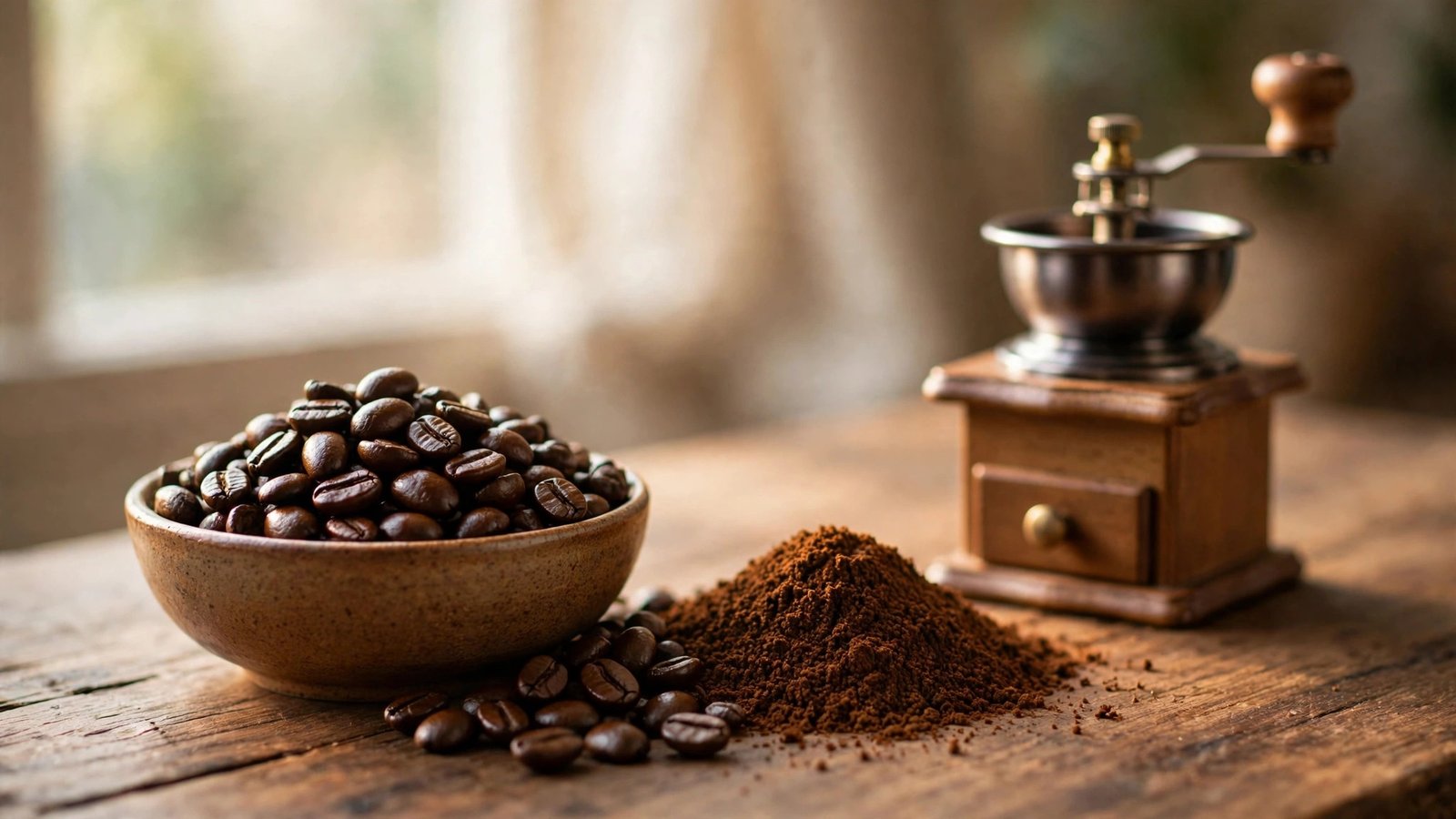
Use a coarse grind — roughly the size of coarse sea salt. Fine grounds slip through the mesh filter and turn the cup muddy and bitter. This is the single most common beginner mistake.
Burr vs blade grinder: burr grinders crush beans to an even size; blade grinders chop them unevenly, so some bits over-extract while others under-extract. If you can only upgrade one thing, upgrade the grinder before the brewer.
Coffee-to-Water Ratio
Most brewers land between a 1:15 and 1:17 ratio (coffee to water). A simple starting point:
- 30 g of coffee
- 500 ml of water
Want it stronger? Add more coffee rather than brewing longer. Extra time usually adds bitterness, not richness.
Water Temperature
Aim for 90–96°C (195–205°F) — just off the boil. Pouring boiling water straight onto the grounds scorches them and turns the cup harsh. Too cool, and the coffee tastes weak and sour. After the kettle boils, waiting about 30 seconds before pouring gets you right into the zone.
Step-by-Step: How to Brew French Press Coffee
- Warm the press with hot water, then empty it.
- Add coarse-ground coffee (30 g for a 500 ml press).
- Pour in water at 90–96°C, covering all the grounds.
- Give it one gentle stir so no dry clumps remain.
- Put the lid on with the plunger pulled up and steep for 4 minutes.
- Press the plunger down slowly and evenly — no force needed.
- Pour immediately. Coffee left sitting on the grounds keeps extracting and turns bitter.
French Press vs Espresso
These two barely overlap. Espresso forces hot water through fine coffee under high pressure for a small, concentrated shot with crema. A French press just steeps. French press coffee is rich and full-bodied, but it cannot make espresso or espresso-based drinks like lattes. Espresso machines also cost far more and need more skill.
Which Beans Work Best?
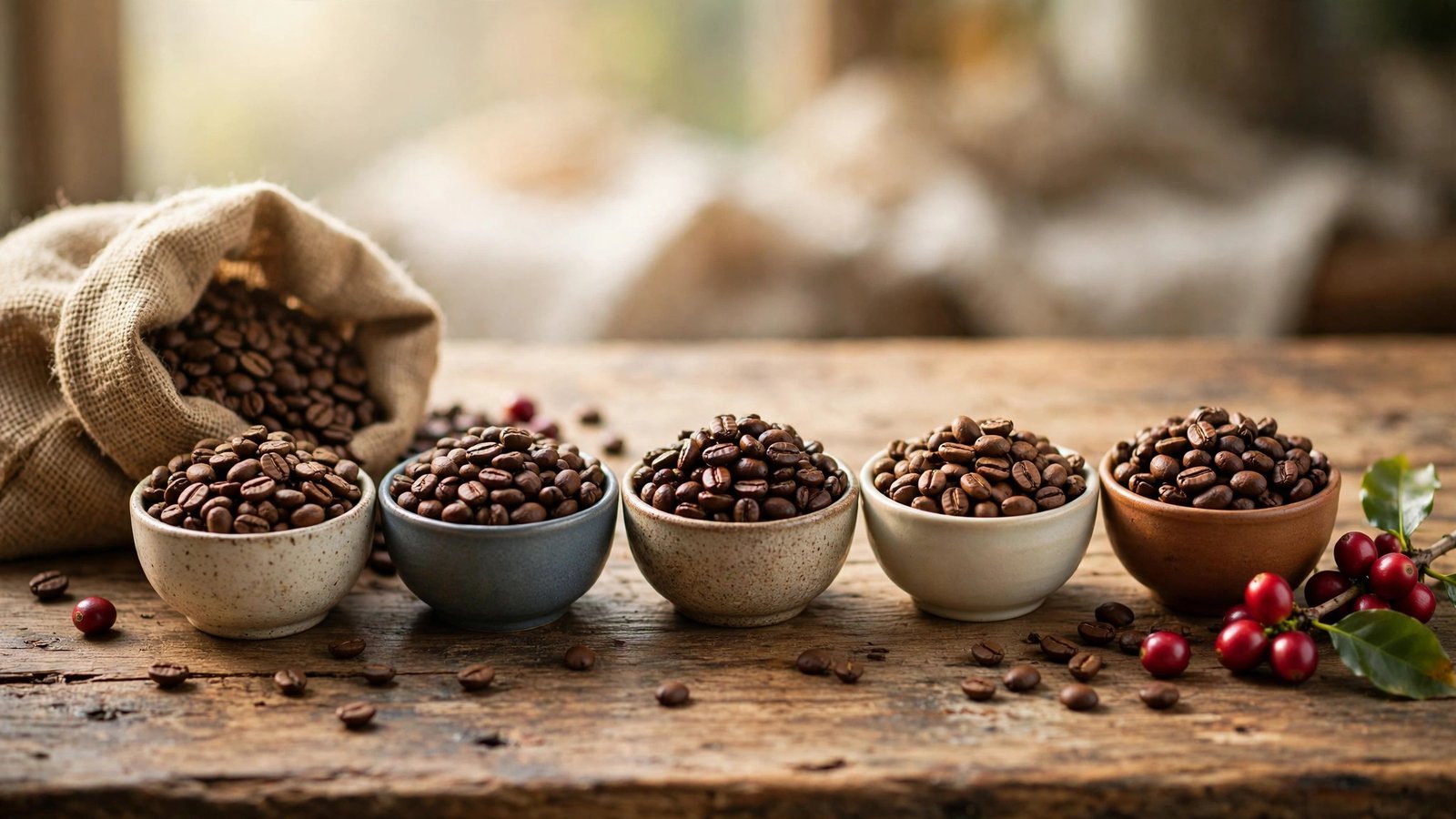
Medium and dark roasts are the usual picks for French press. Dark roasts bring chocolate, caramel, and smoky notes with a heavy body; medium roasts give more balance and sweetness. Light roasts work too, but their bright acidity shows up strongly in immersion brewing — great if you like fruity coffee, less so if you want smooth and mellow.
Freshness matters more than roast level, though. Beans ground right before brewing carry far more aroma than pre-ground coffee that has been sitting open.
Common Mistakes to Avoid
- Grinding too fine — the top cause of muddy, bitter cups
- Using boiling water straight from the kettle
- Brewing much longer than 4 minutes to “make it stronger”
- Leaving brewed coffee sitting on the grounds
- Skipping cleaning — old oils build up in the mesh and turn rancid
Is French Press Coffee Good for Beginners?
Yes. It teaches the fundamentals — grind size, ratio, temperature, timing — with almost no equipment. The routine of grinding, pouring, and pressing is also half the pleasure; plenty of people stay with it simply because it feels more intentional than pressing a button.
A Note on Unfiltered Coffee and Health
Because the metal filter lets oils through, French press coffee contains compounds called diterpenes (including cafestol) that paper filters remove. Some research suggests heavy consumption of unfiltered coffee may raise cholesterol slightly in sensitive individuals. If that concerns you, a paper-filtered method or moderation is the safer route.
Frequently Asked Questions
What is the best coffee for a French press?
Medium or dark roast, ground coarse just before brewing. Freshness does more for flavour than any particular brand.
Can you use regular ground coffee in a French press?
You can, but most supermarket pre-ground coffee is ground for drip machines — too fine. It will taste bitter and leave sludge at the bottom.
Is French press coffee stronger than drip coffee?
It tastes stronger and fuller because the oils and fine particles stay in the cup, but caffeine depends mostly on how much coffee you use, not the method.
Why does my French press coffee taste bitter?
Usually over-extraction: grind too fine, water too hot, brewed too long, or coffee left sitting on the grounds after pressing.
Can a French press make cold brew?
Yes. Add coarse grounds and cold water, steep in the fridge for 12–16 hours, then press and pour over ice.
How do I clean a French press?
Scoop out the grounds, rinse, and wash the beaker and mesh screen with hot soapy water. Take the screen assembly apart now and then to scrub off oil buildup.
Final Thoughts
French press coffee keeps winning people over for a simple reason: it asks almost nothing — no electricity, no paper filters, no expensive machine — and gives back a deep, full-flavoured cup. Get the grind right, watch the water temperature, pour it off the grounds promptly, and you will be brewing better coffee than most cafés within a week.