

My family has been in the Ethiopian coffee business for over 30 years. My father started by working directly with farmers and cooperatives across the country, and now my brother and I export specialty green coffee to buyers around the world. So when I say Ethiopian coffee is different from everything else out there, I’m not just repeating what I read online. I’ve seen it from the farm to the shipping container.
This guide covers everything you need to know about Ethiopian coffee beans. Where they come from, why they taste the way they do, and how to pick the right one for your morning cup.
Why Ethiopian Coffee Is Special
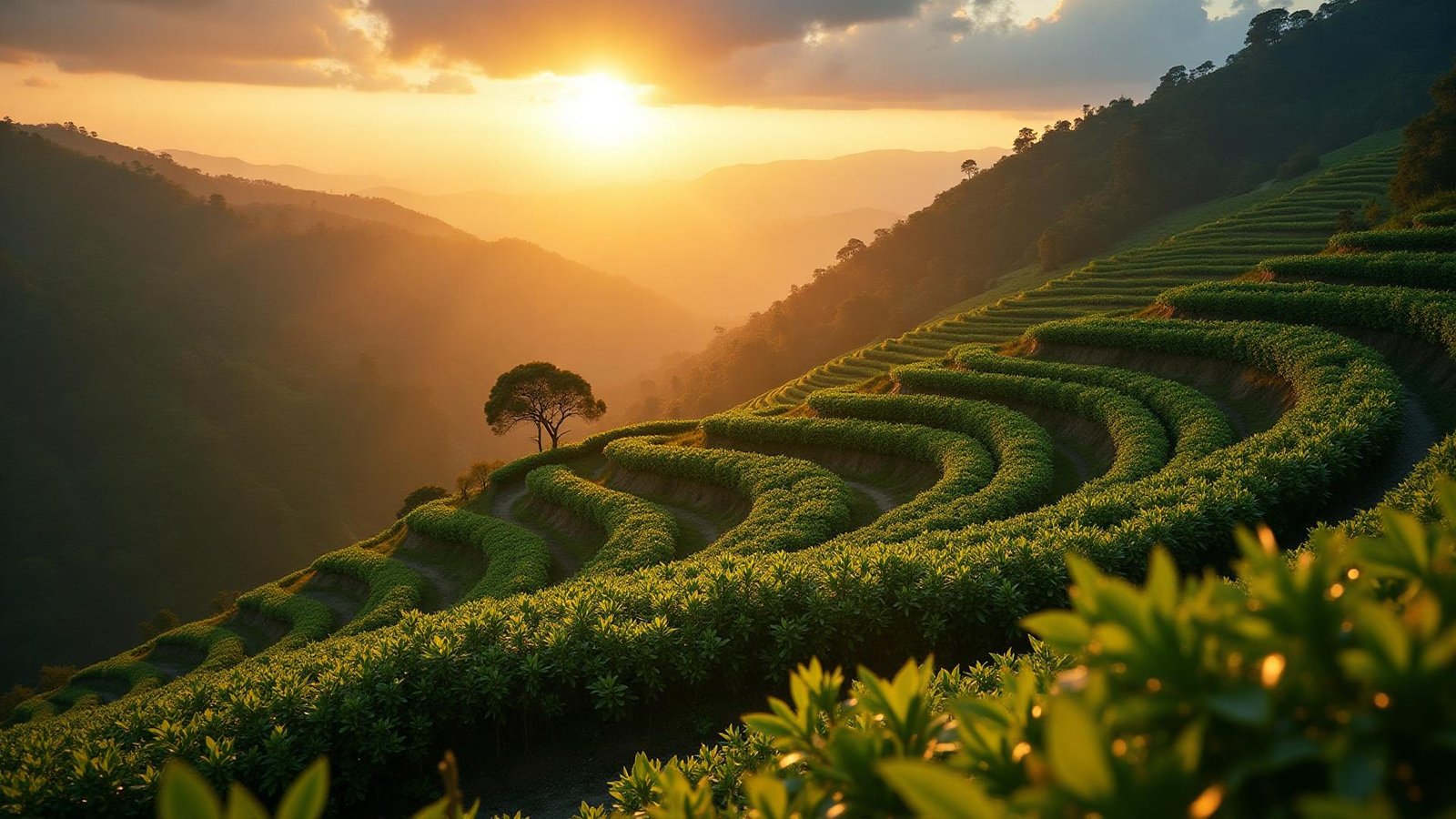
Ethiopia is where coffee started. The plant Coffea arabica literally originated in the forests of southwestern Ethiopia. People have been growing, roasting, and drinking coffee here for centuries before it ever reached Europe or the Americas.
What makes Ethiopian coffee different from, say, Colombian or Brazilian coffee comes down to three things: genetics, altitude, and tradition.
Ethiopia has thousands of indigenous coffee varieties that don’t exist anywhere else. Most coffee-growing countries plant just a handful of commercial cultivars. Ethiopia has wild heirloom landraces that have been evolving naturally in forest ecosystems for hundreds of years. That genetic diversity is the reason Ethiopian coffees can taste so wildly different from each other, even between neighboring farms.
Almost all Ethiopian coffee grows at high altitude, usually between 1,500 and 2,300 meters above sea level. Higher altitude means cooler temperatures, which means the coffee cherry develops more slowly. Slower development leads to denser beans with more concentrated sugars and complex acids. That’s where those bright, fruity, floral flavors come from.
And then there’s tradition. Most Ethiopian coffee is still grown by smallholder farmers on plots smaller than two hectares, often under the shade of native forest trees. The coffee is typically picked by hand and processed using methods that have been passed down for generations. This isn’t industrial farming. It’s deeply personal, and you can taste that care in the cup.
The Main Ethiopian Coffee Regions and What They Taste Like

Ethiopia has several major coffee-growing regions, and each one produces beans with a distinct character. Here are the ones you’re most likely to see on a bag at your local roaster.
Yirgacheffe
Yirgacheffe is probably the most famous Ethiopian coffee region in the world, and for good reason. It sits in the Gedeo Zone of southern Ethiopia at elevations between 1,750 and 2,200 meters.
What to expect in the cup: Bright floral notes like jasmine, citrus acidity that reminds you of lemon or bergamot, and a light, tea-like body. Washed Yirgacheffes are clean and delicate. If you like your coffee bright and aromatic rather than heavy and earthy, start here.
Best for: Pour-over, Chemex, or any filter brewing method that lets you taste the clarity.
Sidamo (Sidama)
Sidamo is one of Ethiopia’s largest coffee-growing regions. It recently became its own administrative region, which tells you how important coffee is to the local economy and identity.
What to expect in the cup: Berry-forward flavors, especially blueberry and strawberry. Natural processed Sidamo coffees tend to have a wine-like quality with chocolate undertones and a syrupy body. Washed versions are cleaner but still fruity.
Best for: People who like fruit-forward coffee. Works great as a single-origin espresso because the body holds up well under pressure.
Guji
Guji used to be lumped in with Sidamo, but has earned its own reputation in the last decade. It produces some of the highest-scoring specialty coffees in the country.
What to expect in the cup: Intense stone fruit like peach and apricot, complex florals including jasmine and honeysuckle, and a heavy, syrupy sweetness. Guji coffees tend to be bold and aromatic at the same time.
Best for: Coffee lovers who want something that really stands out. Excellent for pour-over or as a show-stopping single-origin espresso.
Harar
Harar is one of the oldest coffee origins in the world. The walled city of Harar is a UNESCO World Heritage Site, and coffee has been grown in the surrounding highlands for over 500 years. All Harar coffee is naturally processed because the dry climate doesn’t allow for washing.
What to expect in the cup: Dried fruit like raisins and figs, wine-like complexity, dark chocolate, and that classic “mocha” flavor that originally came from this region. Bold, rustic, and unmistakably unique.
Best for: French press or any immersion brewing. The full body and earthy fruit character benefit from a longer steep.
Limu
Limu sits in southwestern Ethiopia and doesn’t get the same hype as Yirgacheffe or Guji, but it’s a solid region that produces balanced, approachable coffee.
What to expect in the cup: Citrus acidity with subtle wine and spice undertones. Medium body with gentle sweetness. Clean and easy to drink.
Best for: Everyday brewing. Drip coffee makers, AeroPress, or pour-over. A great starting point if you’re new to Ethiopian coffee.
Washed vs Natural: What Processing Means for Your Cup
You’ll often see “washed” or “natural” on a bag of Ethiopian coffee. This refers to how the coffee cherry is processed after picking, and it makes a big difference in flavor.
Washed Processing
Washed processing means the fruit is removed from the bean before drying. The beans ferment in water for 24 to 48 hours, which breaks down the remaining pulp. After that, they’re dried on raised beds. Washed coffees tend to be clean, bright, and floral. You taste more of the bean itself and less of the fruit.
Natural Processing
Natural processing means the whole cherry is dried with the fruit still on the bean. This takes longer, usually 15 to 25 days on raised beds in the sun. As the fruit dries, it ferments slightly, and the sugars soak into the bean. The result is a fruitier, heavier, more wine-like cup. Natural processing is the traditional method in Ethiopia, and it’s what gives coffees like Harar and natural Sidamo their distinctive berry and dried fruit character.
Neither method is better. It depends on your taste preference. If you like clean and bright, go wash. If you want bold and fruity, go natural. Personally, I love both for different reasons.
How to Choose Good Ethiopian Coffee Beans
Whether you’re shopping online or at a local roaster, here are some things to look for.
Check the Roast Date
Ethiopian coffee is best within two to four weeks of roasting. If there’s no roast date on the bag, that’s usually not a great sign. Freshness matters more than almost anything else.
Look for Specific Region Names
A bag that just says “Ethiopian blend” could be anything. A bag that says “Yirgacheffe, Kochere, washed, Grade 2” is telling you exactly where the coffee came from, how it was processed, and what quality level it is. More detail is generally better.
Understand the Grading
Ethiopian coffee uses a grading system from Grade 1 (best) to Grade 5. For specialty coffee, you want Grade 1 or Grade 2. Grade 1 has fewer defects and usually scores higher on cupping tests.
Buy Whole Bean and Grind Fresh
This applies to all coffee, but it’s especially true for Ethiopian beans. So much of what makes them special is the delicate aromatics and bright acids that start fading the minute you grind. A simple burr grinder makes a noticeable difference.
Try Single-Origin Before Blends
Blends can be excellent, but if you want to understand what Ethiopian coffee really tastes like, start with a single-origin bag from one specific region. It helps you build your palate.
Simple Brewing Tips for Ethiopian Coffee
Ethiopian coffee is generally lighter and more nuanced than, say, a dark roast Sumatran. So the way you brew it matters.
Use a Medium to Light Roast
Heavy dark roasting destroys the floral and fruit notes that make Ethiopian coffee worth buying. If your roaster offers a light or medium option, go with that.
Try Pour-Over First
Methods like a V60, Chemex, or Kalita Wave bring out the clarity and complexity in Ethiopian beans. If you’ve never done a pour-over before, a basic setup costs less than a bag of specialty beans, and it changes the game.
Get Your Water Temperature Right
Between 90 and 96 degrees Celsius works best. Too hot and you’ll over-extract and get bitterness. Too cool, and the coffee tastes flat and sour.
Use a Ratio of About 1 to 16
That’s 1 gram of coffee for every 16 grams of water. Adjust from there based on your taste. Ethiopian coffees often do well with a slightly higher ratio that keeps the brew lighter and lets the aromatics come through.
Don’t Skip the Bloom
When you first pour water over fresh coffee grounds, they’ll puff up and release carbon dioxide. Let that settle for about 30 seconds before continuing your pour. It helps with even extraction and makes the cup taste cleaner.
The Ethiopian Coffee Ceremony
One thing I always want people to know about is the coffee ceremony. In Ethiopia, coffee isn’t just something you drink on the way to work. It’s a ritual that families practice almost daily.
You start by roasting green beans over hot coals. The person doing the roasting usually walks around the room so everyone can smell the beans as they crack and darken. Then you grind them by hand in a mortar, brew them in a clay pot called a jebena, and serve three rounds. The first round is called abol, the second is tona, and the third is baraka. The whole thing can take over an hour. It’s meant to be slow.
I grew up with this ceremony, and it’s honestly the reason I care so much about where coffee goes and who drinks it. Every bag we export carries that tradition with it, whether the person brewing at home knows it or not.
Read More:
Frequently Asked Questions
What does Ethiopian coffee taste like?
It depends on the region and processing method. Generally, Ethiopian coffee is known for bright acidity, floral aromas, and fruity flavors. Washed coffees taste clean with jasmine and citrus. Natural coffees are more fruity with berry and wine-like notes.
Is Ethiopian coffee strong?
Ethiopian coffee is not usually “strong” in the dark, bitter sense. It tends to be lighter in body with more complex flavors. However, the caffeine content is similar to that of other arabica coffees, roughly 95 mg per 8-ounce cup.
Why is Ethiopian coffee more expensive?
Several reasons. Most of it is hand-picked by smallholder farmers at high altitude, which is labor-intensive. Processing on raised drying beds takes time and care. Specialty-grade Ethiopian lots score high on quality tests and command premium prices because of their distinctive flavors.
What is the best Ethiopian coffee for beginners?
Start with a washed Yirgacheffe or Limu. Both are clean, balanced, and approachable. Once you’re comfortable with those, try a natural Sidamo or Guji to experience the fruit-forward side of Ethiopian coffee.
How should I store Ethiopian coffee beans?
Keep them in an airtight container at room temperature, away from sunlight and moisture. Don’t refrigerate or freeze them. Use the beans within three to four weeks of the roast date for the best flavor.
Can I use Ethiopian coffee in an espresso?
Yes. Natural-processed Ethiopian coffees, especially Sidamo and Guji, make excellent single-origin espressos. The body and fruit sweetness hold up well under pressure. Washed Ethiopian coffees can be trickier as espresso because they’re lighter, but with the right grind and ratio, they can be outstanding.
Final Thoughts
Ethiopian coffee is unlike anything else you’ll find. The combination of ancient heirloom varieties, high altitude growing conditions, and centuries of tradition creates flavors that no other origin can replicate. Whether you’re just getting into specialty coffee or you’ve been drinking it for years, exploring Ethiopian regions one bag at a time is one of the most rewarding things you can do for your palate.
And if this guide helps even one person ask their roaster a better question or try a region they’ve never heard of, then it was worth writing.