


Chocolate covered coffee beans are exactly what they sound like: whole roasted coffee beans coated in chocolate. One piece delivers a sweet crunch followed by a bold coffee kick, with roughly 5–15 mg of caffeine per bean — so a small handful can feel like a shot of espresso. Here’s how they taste, how many are sensible to eat, and how to make your own at home.
The bean inside is a real, fully roasted coffee bean — not ground, not artificial flavouring. You chew it whole, which is what makes this snack different from drinking coffee: chewing releases caffeine and coffee oils quickly, so most people feel the lift within minutes.
The coating is usually milk, dark, or white chocolate. Some products add extras like a cocoa powder dusting, a sugar shell, or a hint of vanilla or cinnamon — but the classic version is simply chocolate and roasted beans.
In layers. First the chocolate: creamy and sweet if it’s milk, richer and bolder if it’s dark. Then the bean cracks and the coffee hits — roasted, slightly bitter, a little nutty — finishing with a clean coffee aftertaste that lingers.
A single chocolate covered coffee bean carries roughly 5–15 mg of caffeine — the bean itself plus a little from the cocoa. That’s approximate, because bean size, roast level, and chocolate type all shift the number.
Practical rule: 5–10 beans give most people a noticeable lift, and a handful of 10–15 can feel like a small cup of coffee. If you’re sensitive to caffeine, start with two or three pieces and see how you feel.
There is no official number, but common sense goes a long way:
Eat them slowly, not by the handful like candy. Skip them in the evening if you want to sleep well, and don’t stack them on top of energy drinks — the caffeine adds up fast. On an empty stomach, they can be rough on sensitive stomachs, so pair them with food or water.
For most coffee lovers, dark chocolate wins — the flavours balance each other, and it’s satisfying in fewer pieces. Milk chocolate is friendlier if you find plain coffee too bitter. White chocolate is pure dessert territory.
If you’re watching sugar, dark chocolate versions generally have the least sugar and the most cocoa.
Cheap versions exist, and you can taste the difference:
Popular commercial examples you can use as a starting point include Trader Joe’s, Starbucks, Dilettante, and Brookside — these are examples of well-known brands, not a ranking; any brand is worth checking against the points above.
Homemade gives you control over bean quality, chocolate type, and sugar — and it’s genuinely easy.
What you need:
Steps:
Tips for a clean finish: work in small batches so the chocolate doesn’t cool mid-way, and don’t rush the setting — moving them early leaves fingerprints. A light dusting of cocoa powder on the finished beans adds a nice look and a touch of extra bitterness.
Airtight container, cool and dry. Heat melts the coating and humidity makes it dull and sticky. Freezing isn’t recommended — moisture damages the chocolate layer. For the best flavour, eat them within a few weeks of opening.
Beyond eating them straight:
Yes. The centre is a whole roasted coffee bean — natural, not an artificial flavour.
Yes. Roughly 5–15 mg per bean as an approximation, depending on bean size, roast, and chocolate type. Chewing releases it quickly, so a few beans feel like more than you’d expect.
For most people, 5–8 pieces give a pleasant energy lift. More than 10 starts to feel like a small cup of coffee. If you’re sensitive to caffeine, start with two or three.
They’re a snack, not a health food. Both coffee and cocoa contain antioxidants, but there’s also sugar and caffeine — small portions are fine, handfuls are not.
Not a great idea if you sleep easily. The caffeine hits fast and can keep you up, so treat them like a late-afternoon coffee at the latest.
Most people think so — sweet chocolate first, then a bold coffee crunch. If you don’t drink black coffee, try milk-chocolate versions to start.
They contain caffeine, so they’re best kept away from children. If a child wants to try one, keep it to a single piece and skip the issue.
Anyone sensitive to caffeine, people with heart conditions, pregnant women (check with a doctor), and people managing blood sugar or diabetes (choose low-sugar versions and ask your doctor about portion size).
Chocolate covered coffee beans are one of those rare snacks that taste like a treat and work like a tool. A small portion at the right time of day gives you energy, focus, and a genuinely enjoyable flavour — and if you make them yourself, you control every bit of it. Just respect the caffeine, and they won’t let you down.




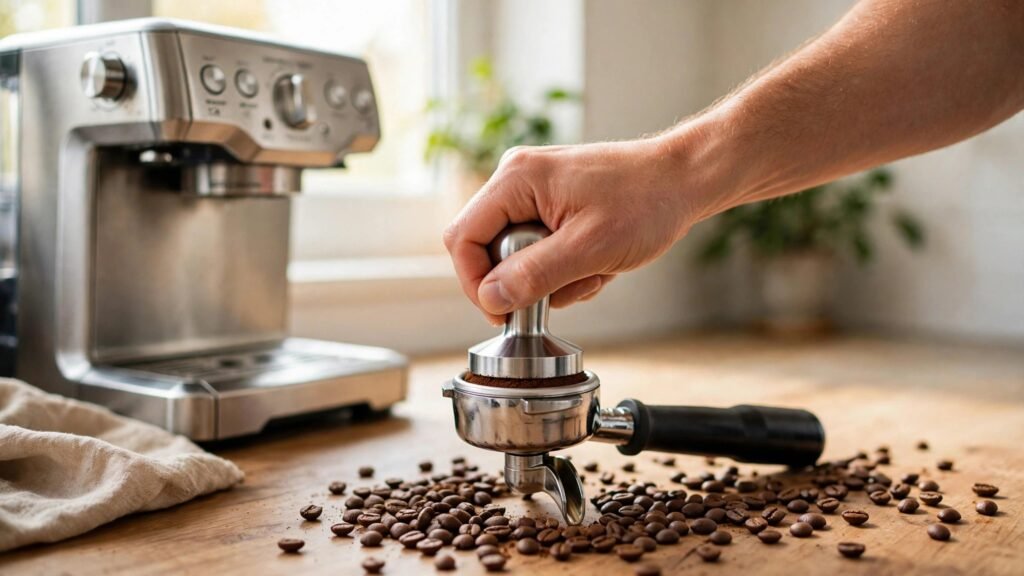
Jump To How to Tamp Espresso: Level, Even and Repeatable — the Pressure Number Matters Less Than You Think How to tamp espresso is one of the first skills a home barista learns, and one of the most overcomplicated. Tamping means pressing the ground coffee…
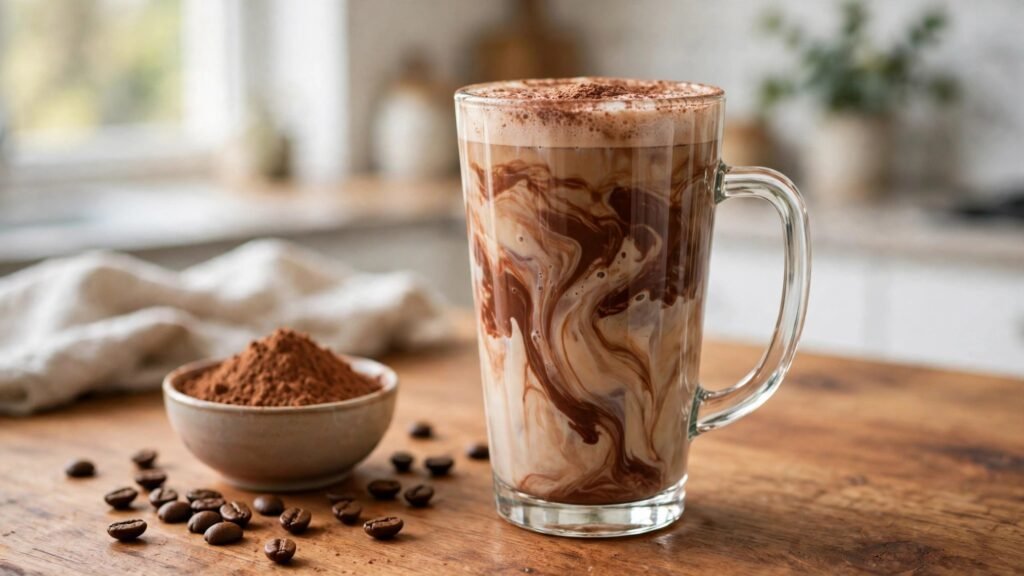
Jump To What Is a Mocha Coffee? The Drink, the Name, and How It Differs From a Latte What is a mocha coffee? It is an espresso drink made with steamed milk and chocolate — a latte with chocolate in it, in plain terms. A…
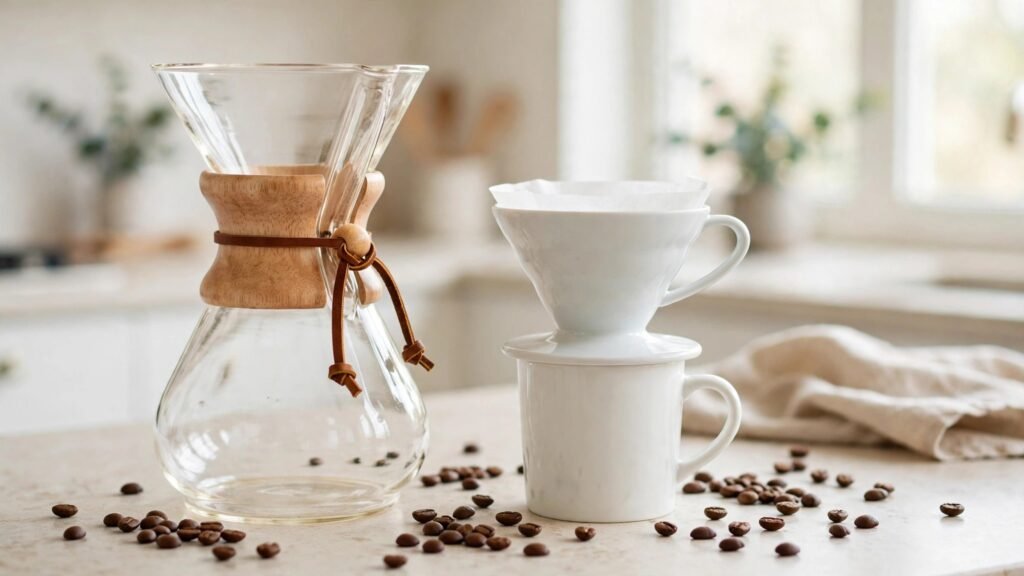
Jump To Chemex vs V60: Which Pour-Over for Your Taste, Your Patience and Your Household Size? A Chemex vs V60 choice is really about the filter. Both brewers are pour overs. Both use hot water, ground beans, and gravity. The difference is what sits between…

Explore the world of coffee with honest reviews and practical advice. Find your perfect cup, one bean and machine at a time.