

Want better-tasting coffee? Start with a clean machine. The fastest way to clean a coffee maker: fill the reservoir with equal parts white distilled vinegar and water, run a brew cycle, then run two or three cycles of plain water to rinse. Ten minutes of effort, and your coffee tastes noticeably fresher.
Stale coffee oils and mineral deposits build up inside every machine — drip brewer, single-serve, or percolator. They mute flavour, slow down brewing, and can shorten the machine’s life. The fix is simple: a quick daily rinse, a weekly wipe-down, and a deeper descale every one to three months, depending on how hard your water is.
A machine can look clean on the outside while the inside collects stale coffee residue and limescale. The signs are hard to miss once you know them: coffee tastes bitter or flat, brewing takes longer than it used to, the machine gurgles or sputters, or you see white scale or dark residue around the reservoir.
Regular cleaning keeps the flavour right and the water flowing freely. It also protects the heating element and pump, which is what actually keeps the machine alive for years instead of months.
This is the habit that makes everything else easier. Do it after every use:
Unplug the machine and let hot parts cool before you touch anything around the warming plate.
Once a week, go a little further:
Descaling removes the mineral buildup that daily rinsing can’t touch. Do this every one to three months — every month if you have hard water, every three if your water is soft. If your machine’s manual recommends a particular descaler or warns against vinegar, follow the manual first.
You need: white distilled vinegar, water, and a sponge.
The whole process takes about 30–45 minutes including the soak. Set a reminder to do it monthly and you’ll rarely need to think about it again. The method is the same even if you’re learning how to clean a Ninja coffee maker — only the reservoir size and cycle buttons differ.
Some people can’t stand the smell of vinegar. Here are solid alternatives:
Note: baking soda won’t descale heavy mineral buildup as effectively as vinegar or a descaler. Use it for maintenance, not for the deep quarterly clean.
The carafe and basket take the worst of the residue, so they deserve attention:
What is the best way to clean a coffee maker?
The most reliable method is a monthly deep clean: equal parts white distilled vinegar and water through a brew cycle, a 20–30 minute soak, then two or three plain-water rinse cycles.
How often should I descale my coffee maker?
Every one to three months, depending on water hardness. Hard-water households should descale monthly; soft-water households can go three months.
Is it safe to run vinegar through a coffee machine?
Yes — diluted white vinegar is the most commonly recommended home descaling method. The exception is if your machine’s manual specifically warns against it; follow the manufacturer in that case.
Is descaler better than vinegar?
Commercial descalers work faster and have no odour, which makes them convenient. Vinegar is cheaper and works well for most machines. Both get the job done.
How many times should I rinse after vinegar?
Run at least two, ideally three, full brew cycles with plain water after descaling. Your coffee should taste like coffee, not vinegar.
How long should the vinegar soak?
About 20–30 minutes inside the machine is enough to loosen mineral deposits without overdoing it.
What are the signs my coffee maker needs cleaning?
Slow brewing, bitter or off-tasting coffee, gurgling noises, visible scale or residue, and the machine not reaching its usual brewing temperature.
How do I clean a reusable coffee filter?
Rinse it right after brewing. Weekly, soak it in warm water with a spoonful of baking soda for 15 minutes to dissolve trapped oils, then rinse well.
Clean the grounds, carafe, and basket after every brew, wipe everything down weekly, and descale every one to three months with vinegar or a proper descaler. That’s the whole system — and it keeps every cup tasting the way it should.



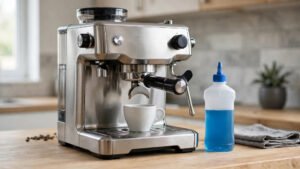
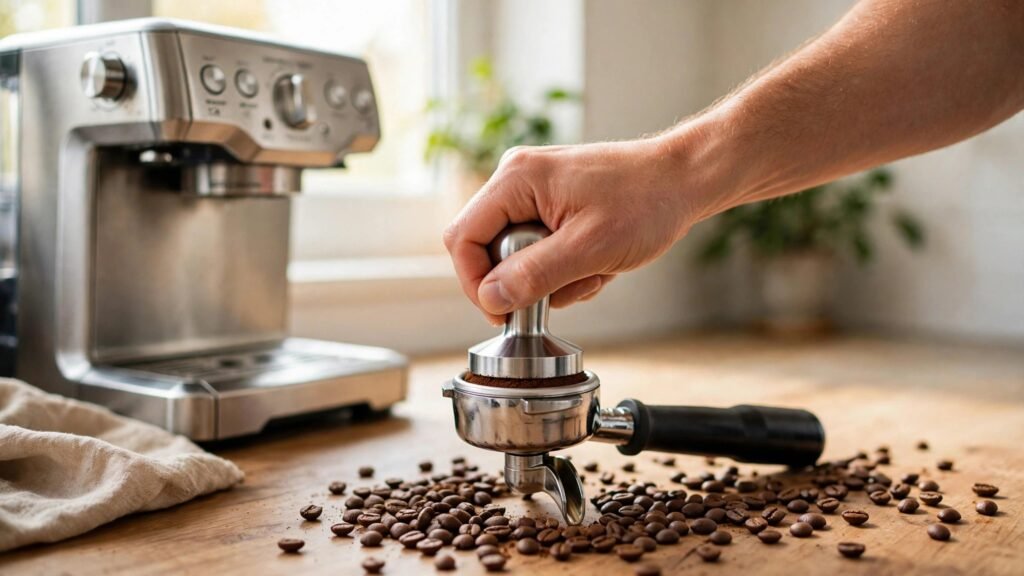
Jump To How to Tamp Espresso: Level, Even and Repeatable — the Pressure Number Matters Less Than You Think How to tamp espresso is one of the first skills a home barista learns, and one of the most overcomplicated. Tamping means pressing the ground coffee…
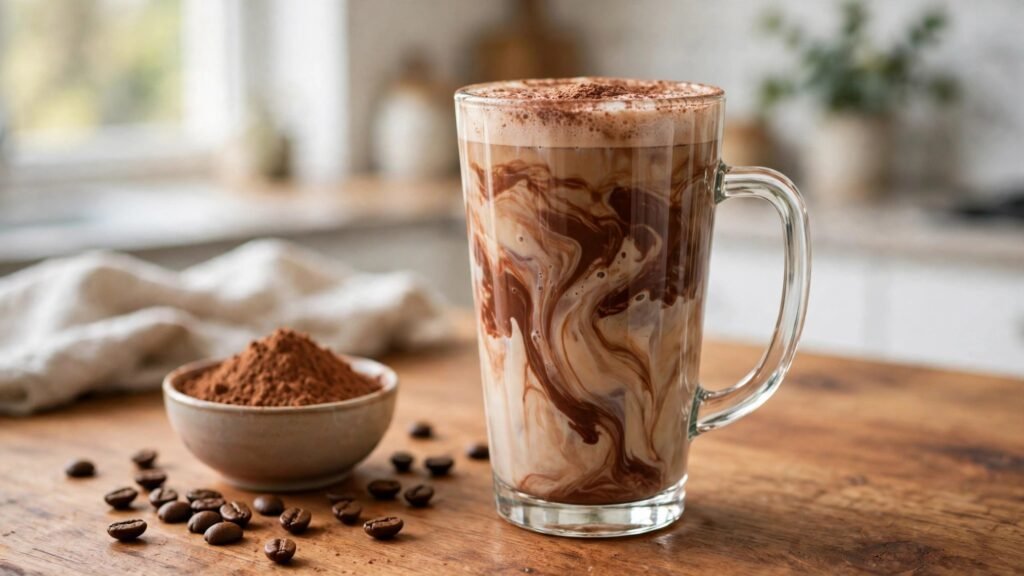
Jump To What Is a Mocha Coffee? The Drink, the Name, and How It Differs From a Latte What is a mocha coffee? It is an espresso drink made with steamed milk and chocolate — a latte with chocolate in it, in plain terms. A…
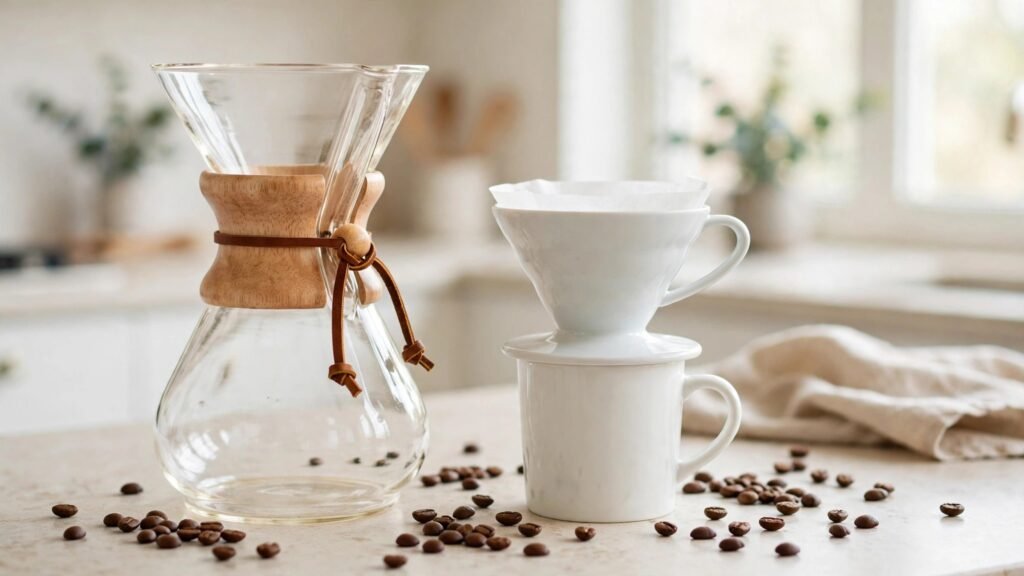
Jump To Chemex vs V60: Which Pour-Over for Your Taste, Your Patience and Your Household Size? A Chemex vs V60 choice is really about the filter. Both brewers are pour overs. Both use hot water, ground beans, and gravity. The difference is what sits between…

Explore the world of coffee with honest reviews and practical advice. Find your perfect cup, one bean and machine at a time.