

Is coffee a fruit? Yes — the roasted “beans” you grind every morning are actually the seeds inside a small red fruit called the coffee cherry, a drupe in the same botanical sense as cherries, peaches, and plums. Once the fruit is removed, processed, and roasted, the seed is what ends up in your cup.
Most of us never see the fruit part, because it is stripped away long before the seeds are bagged and sold. But understanding the coffee cherry explains a lot about flavour, ripeness, and why coffee farming is such careful work.
The coffee cherry is the fruit of the coffee plant (Coffea arabica and Coffea canephora, the latter usually called robusta, are the two species that dominate world production). It starts green, then ripens to red — though some varieties ripen to yellow, orange, or purple depending on the cultivar.
Ripe cherries are small, round, and naturally sweet. That sweetness matters: the sugars in the fruit influence the flavour of the final coffee, which is one reason farmers are so careful to pick only fully ripe cherries.
Botanically, the coffee cherry is a drupe — a fleshy fruit with a single pit, like a peach or a plum. Here is how it is layered, from outside in:
| Layer | Botanical name | What it is |
|---|---|---|
| Skin | Exocarp | The thin, colourful outer skin of the cherry |
| Pulp (flesh) | Mesocarp | The sweet, juicy flesh between skin and parchment |
| Parchment | Endocarp | A thin, papery hull protecting the seed |
| The “bean” | Seed (endosperm) | The seed itself — what gets roasted and brewed |
Most cherries contain two seeds sitting flat-side to flat-side, which is why the roasted bean has that familiar centre crease. Occasionally a cherry holds just one rounded seed — a “peaberry” — prized by some roasters for its concentrated flavour.
Coffee is a fruit, not a vegetable. Vegetables come from other parts of a plant — roots (carrots), stems (celery), leaves (lettuce). Coffee grows from the plant’s ovary, which makes it a fruit by definition, just like apples, grapes, and olives.
The confusion is understandable: by the time coffee reaches us, the fruit has been removed and only the roasted seed remains.
Coffee is not a legume. Legumes are plants in the pea and bean family — lentils, chickpeas, peanuts, soybeans — that grow their seeds in pods.
The word “bean” stuck because of how the seed looks: oval, with a centre crease, and a shape that vaguely resembles a true bean. It is a nickname based on appearance, not botany.
Raw coffee cherries taste nothing like coffee. They are sweet, mild, and fruity — most people compare them to a mix of berry, honey, raisin, and sometimes a light floral note similar to hibiscus tea.
That sweetness is exactly why farmers pick cherries at peak ripeness: the fruit’s sugars feed fermentation and carry into the cup, giving smoother, more balanced coffee. Underripe cherries tend to make thin, sour, or grassy-tasting coffee.
Yes, coffee cherries are edible. In coffee-growing regions, people eat fresh cherries straight off the plant, and the dried skins are brewed into cascara — a light, tea-like drink with a fruity, slightly sweet flavour.
The fruit does contain natural caffeine, so moderation makes sense. You will also find coffee fruit showing up in extracts and powders used in energy drinks and wellness products. Buying it from a producer is a practical way to try it; farm visits in coffee regions often include a taste.
Cascara is a beverage made from the dried skins and pulp of the coffee cherry — the fruit part, not the seed. Steeped in hot water, it brews into a light, fruity drink that tastes more like tea than coffee, with berry and dried-fruit notes and gentle sweetness.
Cascara has grown in popularity in specialty coffee culture for a simple reason: it turns a processing byproduct into something enjoyable, cutting waste along the way.
The journey from fruit to your morning brew follows a few clear steps:
Every stage leaves a fingerprint on the final cup — which is why cherry quality at harvest matters so much.
Coffee quality starts on the branch. Healthy, fully ripe cherries carry more sugars and more developed flavour compounds; underripe or damaged fruit produces thin, sour, or harsh cups.
This is why specialty coffee farms invest so much labour in selective hand-picking — harvesting only ripe cherries, sometimes returning to the same branch several times in a season. Better fruit earns better prices, and the difference is genuinely drinkable in the cup.
Yes. Coffee comes from the coffee cherry, which is a drupe — the fruit of the coffee plant.
No. It develops from the plant’s flower into a fruit, so it cannot be classified as a vegetable.
No. Coffee “beans” are fruit seeds, not legumes — the bean name comes from their shape, not their family.
Yes, the fruit is edible and tastes sweet and mild. Its dried skins are also brewed into cascara tea.
It is the seed inside the coffee cherry. Each cherry usually holds two seeds, which are removed, dried, roasted, and ground for brewing.
The crease is where the two seeds sat pressed face-to-face inside the cherry. It is a natural feature of the seed’s shape.
Coffee fruit contains antioxidants and plant compounds, and it is generally fine in moderation. Like coffee itself, it does contain natural caffeine.
Coffee starts life as a fruit — the coffee cherry, a small drupe whose sweet flesh wraps the seed we eventually roast and brew. Knowing the cherry is there, hidden under the surface of every cup, makes it easier to appreciate why ripeness, harvesting, and processing matter so much to what you taste.



Jump To How to Taste Coffee at Home: Cupping Without Any Special Gear The Short Answer Learning how to taste coffee at home takes two bowls, two spoons, hot water and about 15 minutes. You brew two coffees side by side, break the crust that…

Jump To Whole Bean vs Pre-Ground Coffee: When Freshness Actually Matters (and When It Doesn’t) Whole bean vs pre-ground coffee comes down to one thing: air. Whole beans keep their flavour locked inside for weeks, while ground coffee starts losing it within hours of grinding.…
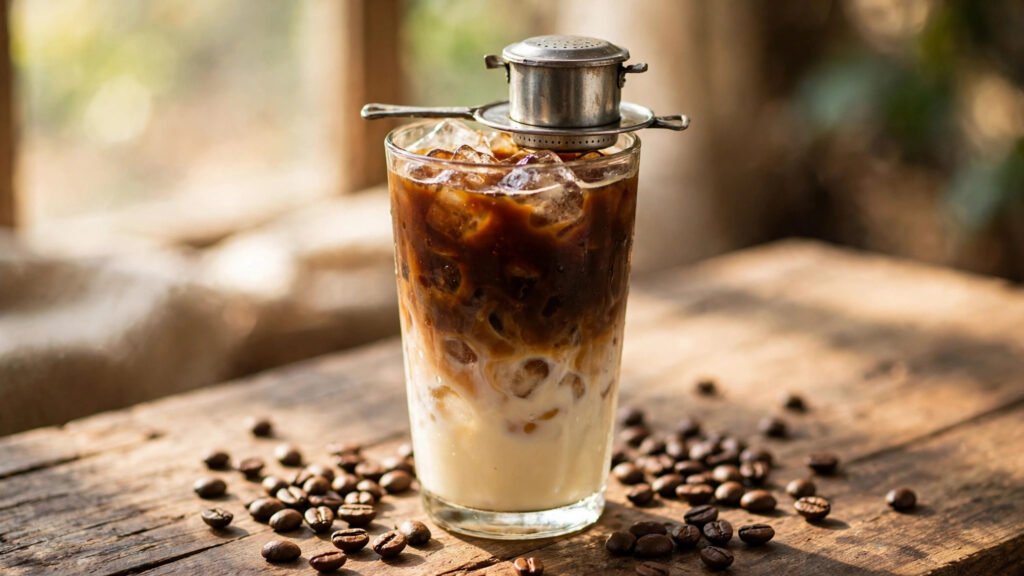
Jump To Vietnamese Iced Coffee (Ca Phe Sua Da): The Real Recipe, Plus the No-Phin Version Vietnamese iced coffee — ca phe sua da — is dark, strong coffee dripped slowly through a small metal phin filter onto sweetened condensed milk, then stirred and poured…

Explore the world of coffee with honest reviews and practical advice. Find your perfect cup, one bean and machine at a time.