
Table of Contents
Coffee is not merely a drink to many individuals in the USA, but it is part of their everyday lives. The aroma of the freshly brewed coffee in the morning fills me with comfort, energy, and calmness before I set out to work. However, the moment you find out that your coffee is bitter, weak, or unpleasant, it might spoil that quiet moment.
In the majority of instances, what is really wrong is not the coffee beans but an unclean machine. Many people never learn how to clean coffee maker properly, even though they use the machine every single day.
With time, coffee oils, water deposits, and moisture accumulate in the interior of the machine. This accumulating silence does not spare taste, smell, or even the functionality of the coffee machine. This manual will assist you in cleaning your coffee machine in a safe, easy, and efficient way at home.
Why Cleaning a Coffee Maker Is Essential for Every Home
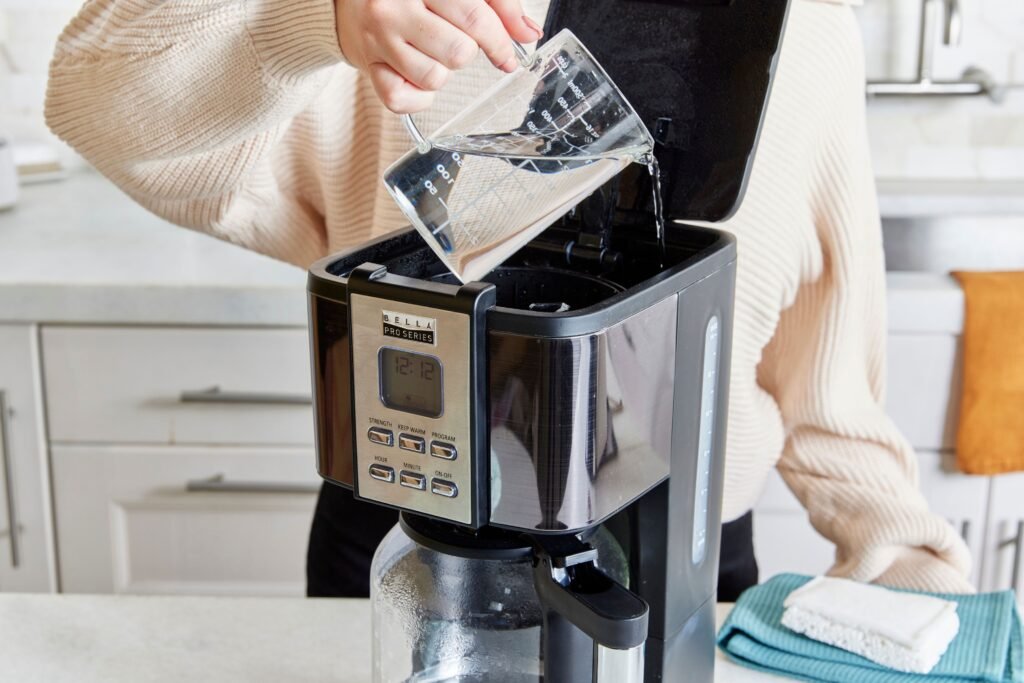
An espresso maker might seem clean on the surface, but inside it might contain stale coffee deposits, water mineral particles, and moisture. These are the things that gradually alter the taste of your coffee and complicate the operation of the machine unnecessarily.
In case of the lack of cleaning, the coffee maker will begin the brewing process slowly, make some strange noise, or even give out a burnt flavor in the coffee.
The frequent cleaning will help safeguard your machine, enhance the flavor of your coffee, and keep the coffee machine lasting longer. It also makes sure that with each cup of drink you are drinking is a fresh and tasty enjoyment and not reduced to old dust.
How Often Should a Coffee Maker Be Cleaned
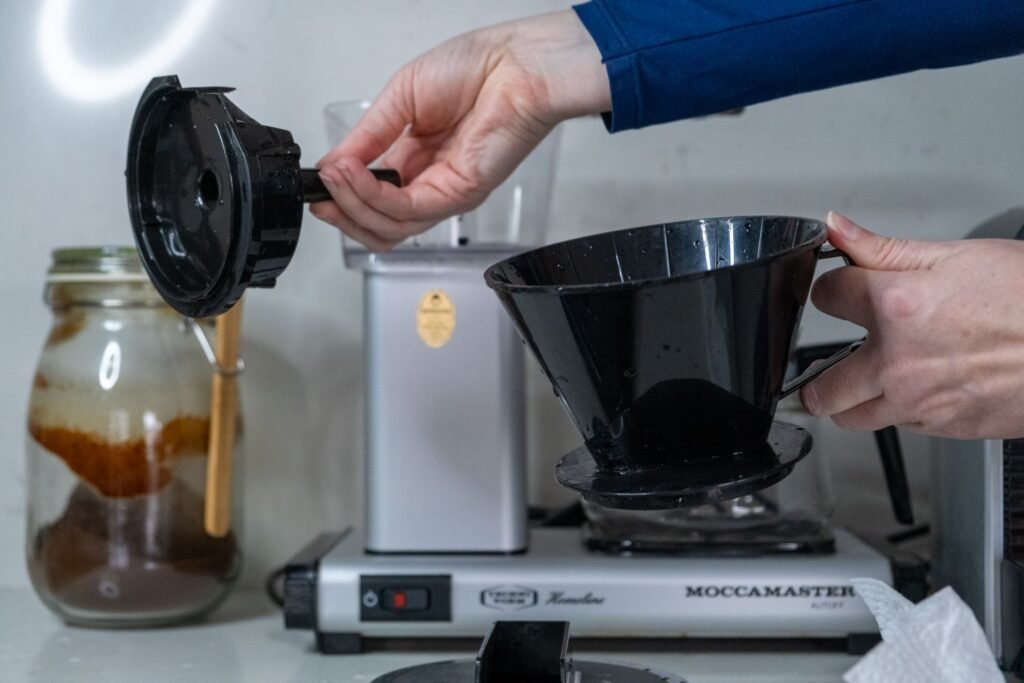
The cleaning frequency is dependent on the frequency of use of the coffee maker and the nature of the water in your locality. Provided you clean your coffee maker every day, simple cleaning is included. Deep cleaning is also particularly significant in homes with hard water because it is in these areas where mineral formation occurs at a faster rate.
It is also simple to have a cleaning schedule in order to maintain the cleaning routine and ensure that there is no major accumulation of dirt that will be hard to eliminate down the line.
How to Clean Coffee Maker Using Vinegar at Home
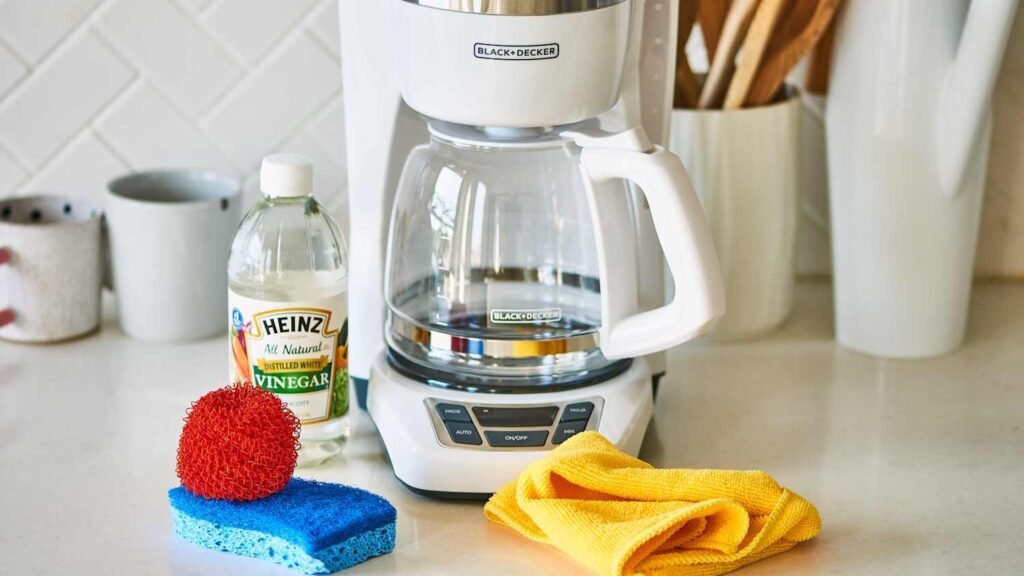
Vinegar is one of the most reliable ways of cleaning a coffee maker. This practice has been applied in American households over the years since it is efficient, cheap, and most machines are safe.
In order to wash the coffee maker, it is first necessary to get rid of coffee grounds and filters. Add an equal amount of white vinegar and water, and pour the mixture into the water tank. Initiate the brewing phase and just run the solution through the machine. In case your machine gives you an option of pausing, it is best to loosen the mineral deposits by letting the solution partially rest in the middle of the cycle.
Once this is done, repeat the cycle two to three times using plain water. This procedure is quite significant to eliminate any trace of vinegar smell or taste. When complete, wipe the outside with a clean cloth. It is the most effective way to repair the work of the machine and enhance the taste of coffee.
What Kind of Vinegar to Clean Coffee Maker Safely
Vinegar is important when cleaning a coffee maker. The best and safest is the white distilled vinegar. It is mild on internal parts and is also good at removing the mineral buildup.
This should not be used in other forms of vinegar, like apple cider vinegar or flavored vinegar, as they tend to cause stains and an unpleasant smell on the inside of the machine. White distilled vinegar maintains the simplicity of the process.
How to Clean Coffee Maker Without Vinegar
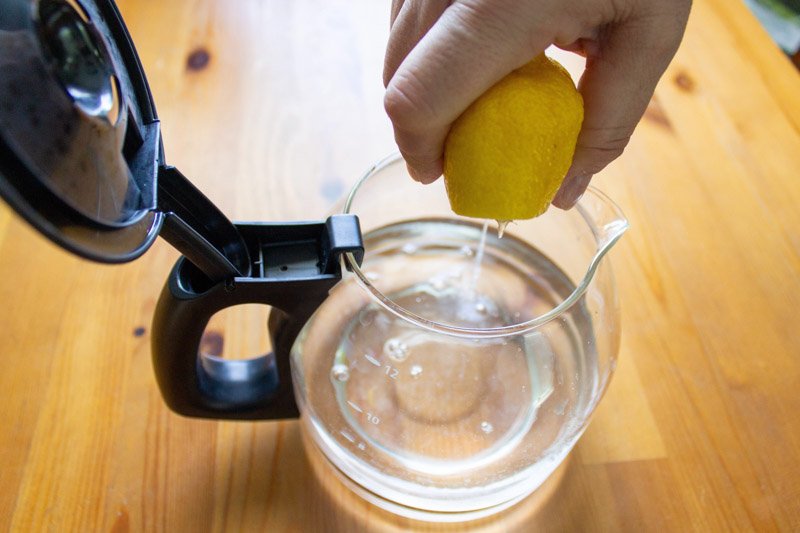
Others do not like vinegar either due to its smell or just a personal choice. Fortunately, effective alternatives do exist and will serve a good purpose in regular cleaning.
An available alternative, naturally, is Lemon juice, which removes buildup of light but leaves a fresh odor. To refresh the machine, water mixed with lemon juice can be used, and a brewing cycle can be run.
Commercial coffee maker cleaner products are another good choice, especially for people who want a quick and odor-free solution. They are specifically aimed at coffee makers and have easy usage.
How to Clean Coffee Maker with Baking Soda
Baking soda comes in handy to eliminate unpleasant smells and traces of light in a coffee maker. It is preferable to normal maintenance as opposed to heavy mineral deposition. Washing the machine by mixing baking soda with water and then taking a brew cycle serves to clean it. A clean water cycle will follow, hence nothing is left behind.
This technique is effective when it is supplemented by regular habits of cleaning.
How to Clean Coffee Maker Keurig Machines Properly
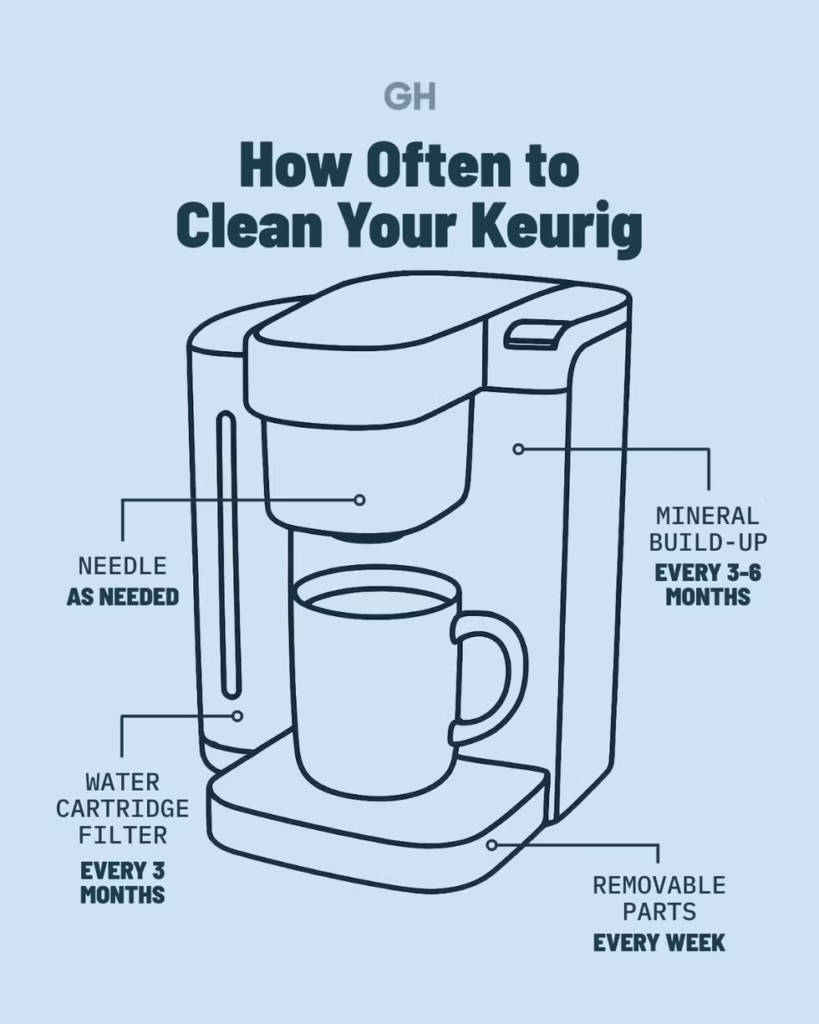
The Keurig machines should be treated with care because of their small size and internal needles. To clean it, one should start by disconnection the machine and taking out the water reservoir and drip tray. Washing of these parts should be done using warm, soapy water.
To clean inside the machine, it is possible to place a vinegar and water solution inside the machine and do not add a K-Cup. Once this has been done, it requires some clean water cycles to get the system completely rinsed. Frequent cleaning maintains the Keurig to be clog-free and to continue with the brewing process.
How to Clean Coffee Maker Filter for Better Taste
The coffee filter is significant in coffee taste. Reusable filters trap oils with time, and this may render coffee stale. Washing the filter once the use is over assists in minimizing accumulation. The oils and residue are washed by soaking in warm water with baking soda weekly.
Disposable filters are also to be changed regularly to prevent clogging and bad taste.
Coffee Maker Cleaner Products: Are They Worth Using
Coffee maker cleaner products are a convenient option for people who want a simple solution. These cleaners do not have any odour and are specifically manufactured to clean internal machines. They are likely to be more expensive than home ingredients, but they will save time and effort, particularly in busy households.
Common Cleaning Mistakes That Should Be Avoided
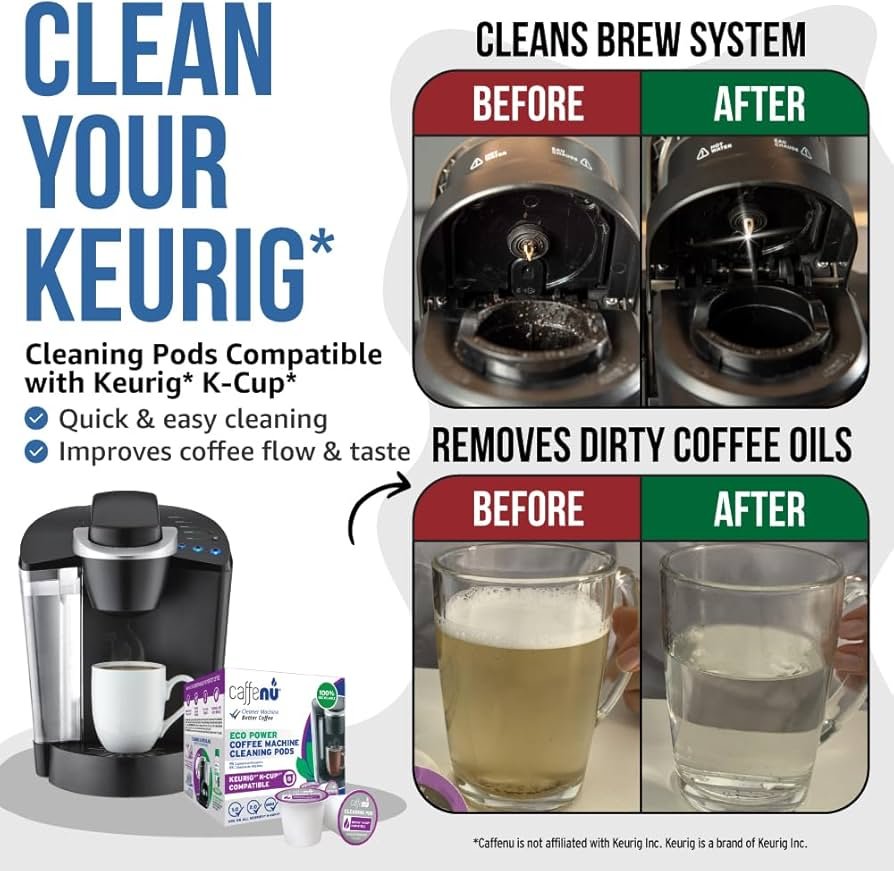
Most individuals do not know how to optimally take care of their coffee makers and therefore, end up destroying them by using harsh chemicals or omitting critical procedures. Internal parts can be damaged with the help of bleach or strong cleaners. The omission of rinse steps also leaves an unwanted taste. Cleaning the outside and neglecting the internal accumulation also shortens the life of the machine.
Light and frequent cleaning is always the safest method.
Daily Habits That Keep Your Coffee Maker Fresh
Little things matter in the long run. Draining the water reservoir once used, rinsing removable parts, and using clean water assist in the prevention of buildup. These are the basic measures that safeguard the machine and enhance the quality of coffee.
Read More:
What Religions Does Not Drink Coffee? (A Simple Guide for Everyone)
The Complete Coffee Loophole Recipe Guide (What It Is, How It Works, Science & Real Results)
Coffee Filter: The Complete 2026 Guide (Types, Sizes, Prices & Best Options)
The Complete Guide to Types of Coffee Drinks (for Beginners & Home Brewers)
The 15 Most Popular Coffee Drinks in the World (From My Own Experience)
FAQs For How to Clean Coffee Maker:
What is the best way to clean a coffee maker?
The best way is to deep clean it once a month using white vinegar or a coffee maker cleaner, followed by multiple rinse cycles. Regular cleaning keeps the coffee tasting fresh and protects the machine.
Is descaling solution better than vinegar?
Descaling solutions are specially designed for coffee machines and work faster without odor. Vinegar is also effective, but descaling solutions are gentler and more convenient for frequent use.
How do I sanitize my coffee machine?
Sanitizing a coffee machine involves running a vinegar or approved cleaner solution through the system and then rinsing thoroughly with clean water. This removes bacteria and internal residue safely.
What are common coffee maker cleaning mistakes?
Common mistakes include skipping rinse cycles, using harsh chemicals like bleach, and cleaning only the outside. These errors can damage the machine and leave an unwanted taste behind.
How many times should you run vinegar through your coffee maker?
One full vinegar and water cycle is usually enough for descaling. After that, two to three plain water cycles should be run to remove any remaining vinegar residue.
Is it safe to drink coffee after cleaning?
Yes, it is safe as long as the coffee maker has been rinsed properly with clean water cycles. Never brew coffee immediately after vinegar cleaning without rinsing.
What happens if you don’t descale your coffee maker?
Without descaling, mineral buildup clogs internal parts, slows brewing, and affects taste. Over time, this can permanently damage the coffee maker.
What is the best way to sanitize a coffee maker?
The safest method is using a coffee maker cleaner or diluted white vinegar, followed by thorough rinsing. This cleans internal tubing where bacteria often form.
What happens if you don’t clean your coffee maker?
A dirty coffee maker can produce bitter coffee, unpleasant smells, and slower brewing. It may also develop mold and reduce the machine’s lifespan.
Is it safe to run vinegar through a coffee machine?
Yes, running diluted white vinegar through a coffee machine is safe for most models. It is one of the most commonly recommended home cleaning methods.
How long should I let the vinegar sit to descale?
Letting the vinegar solution sit for about 20 to 30 minutes inside the machine helps loosen mineral deposits. This step improves cleaning results.
What are the signs of a dirty coffee maker?
Slow brewing, bitter coffee taste, strange smells, and visible residue are common signs. These indicate it is time for a deep clean.
Should I rinse the coffee maker after cleaning?
Yes, rinsing is essential after any cleaning method. Running two or more plain water cycles removes leftover cleaner and protects the taste.
What is the best coffee machine cleaner?
The best cleaner is one approved by the coffee machine manufacturer. Trusted commercial descaling solutions are effective, odor-free, and easy to use.
What should white vinegar not be cleaned with?
White vinegar should not be used on natural stone surfaces, rubber seals for long periods, or machines that explicitly warn against it. Always check the manufacturer’s instructions first.
Conclusion For How to Clean Coffee Maker:
The best secret of good-tasting coffee and a good machine is a clean coffee maker. Once you learn how to clean coffee maker correctly, it becomes an easy and stress-free part of your routine. Remember to use vinegar or baking soda, or a commercial cleaner; routine cleaning will ensure that every cup of coffee will be comforting, warm, and satisfying.





One Comment