

How much caffeine in decaf coffee? A regular 8oz cup has roughly 2–7mg of caffeine — not zero. That’s about 95–98% less than regular coffee, which runs 95–160mg per cup. So if you’re reaching for decaf to cut back, it does the job, but if you need to avoid caffeine entirely, decaf won’t get you there.
Decaf is made by washing green (unroasted) coffee beans to strip out caffeine before roasting. The problem: getting out that last trace is nearly impossible without wrecking the bean’s flavor. In the US, “decaffeinated” coffee must have at least 97% of its caffeine removed — and that remaining 3% is what lands in your cup.
The exact amount varies with the bean type, the decaffeination method, the roast, and how strong you brew it. Two decaf bags from two brands rarely match exactly.
| Drink (8oz cup) | Caffeine |
|---|---|
| Decaf coffee | 2–7mg |
| Regular brewed coffee | 95–160mg |
| Black tea | 40–70mg |
| Green tea | 20–45mg |
| Decaf black tea | 2–8mg |
| Decaf espresso (1oz shot) | 3–7mg vs 63mg in regular espresso |
| Herbal tea | 0mg (naturally caffeine-free) |
As a rule of thumb: one regular coffee has about the caffeine of 20–30 cups of decaf. Even decaf black tea sits in the same low range as decaf coffee.
The method affects flavor more than it affects the leftover caffeine — any of them will land you in that 2–7mg range.
Only slightly. Longer contact time and finer grounds pull a bit more out, so a French press decaf will have a touch more than a quick pour-over. But since the beans are already 97%+ caffeine-free, the gap between methods is tiny. What matters more is serving size: a 16oz mug of decaf simply has about twice the caffeine of an 8oz cup.
The usual reasons: drinking coffee in the afternoon without wrecking your sleep, cutting back because caffeine makes you jittery, or following a doctor’s advice to lower your intake. The flavor is close enough to regular coffee that most people don’t miss it — blind taste tests regularly stump drinkers.
One honest note: decaf keeps most of coffee’s antioxidants. What it loses is the caffeine-driven alertness — that’s the whole point.
Not all decaf tastes the same, and the cheap stuff earned the bad reputation honestly. A few things that help:
No. Expect 2–7mg per 8oz cup. If you have to avoid caffeine entirely — say, a doctor has told you to — read labels carefully and check with your healthcare provider rather than assuming decaf is safe.
Roughly 20 to 30. You’d need to drink an entire pot of decaf to match one normal mug of regular coffee.
Most people can — 2–7mg is a tiny dose. That said, some people are genuinely sensitive to caffeine at any level, so pay attention to how you sleep.
Yes, a small amount: about 3–7mg per 1oz shot, compared to ~63mg in a regular shot. A decaf latte is still a low-caffeine drink.
Not really. It keeps most of the antioxidants and beneficial compounds of regular coffee, minus most of the stimulant. Neither is “healthier” as a blanket statement — it depends on what you’re after.



Jump To How to Taste Coffee at Home: Cupping Without Any Special Gear The Short Answer Learning how to taste coffee at home takes two bowls, two spoons, hot water and about 15 minutes. You brew two coffees side by side, break the crust that…

Jump To Whole Bean vs Pre-Ground Coffee: When Freshness Actually Matters (and When It Doesn’t) Whole bean vs pre-ground coffee comes down to one thing: air. Whole beans keep their flavour locked inside for weeks, while ground coffee starts losing it within hours of grinding.…
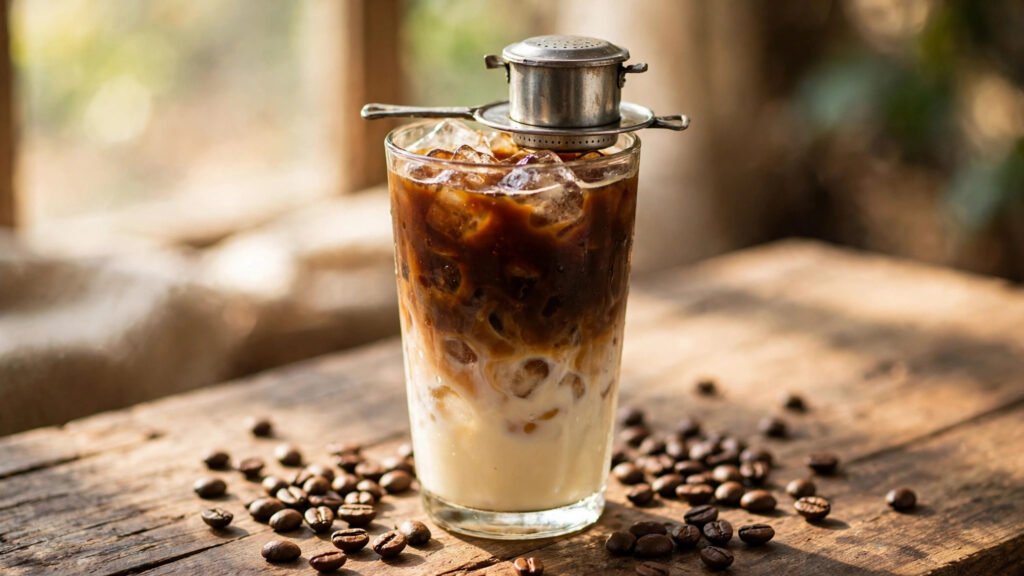
Jump To Vietnamese Iced Coffee (Ca Phe Sua Da): The Real Recipe, Plus the No-Phin Version Vietnamese iced coffee — ca phe sua da — is dark, strong coffee dripped slowly through a small metal phin filter onto sweetened condensed milk, then stirred and poured…

Explore the world of coffee with honest reviews and practical advice. Find your perfect cup, one bean and machine at a time.