
Where Does Coffee Come From: Journey from Bean to Cup

Jump To

Where Does Coffee Come From: Journey from Bean to Cup

where does coffee come from

Where Does Coffee Come From? This question has intrigued travelers, traders, and tasters for centuries. The answer stretches across continents, climates, and cultures, revealing a story as rich as the brew itself.

Key Takeaways

  • Coffee originates from the seeds of the Coffea plant, native to tropical Africa.
  • The two main commercial species are Coffea arabica and Coffea canephora (robusta).
  • Ethiopia is widely recognized as the birthplace of coffee, with legends dating back to the 9th century.
  • Today, the “Bean Belt” between the Tropics of Cancer and Capricorn produces over 70% of the world’s coffee.
  • Processing methods—wet, dry, and honey—significantly influence flavor profiles before roasting.

Where Does Coffee Come From: Tracing the Origins

The story begins in the highlands of Ethiopia, where ancient forests harbor wild Coffea arabica trees. According to folklore, a goat herder named Kaldi noticed his goats becoming energetic after eating red cherries from a particular shrub. Curious, he tried the fruit himself and felt a similar vigor. This serendipitous discovery sparked the first human consumption of coffee beans.

From Ethiopia, coffee spread to the Arabian Peninsula, particularly Yemen, where Sufi monks cultivated the plant to aid nighttime prayers. By the 15th century, coffee houses known as qahveh khaneh emerged in cities like Mecca and Cairo, becoming hubs for intellectual exchange. The beverage’s popularity then moved north to Ottoman Turkey and eventually entered Europe through Venetian trade routes in the 17th century.

European colonial powers sought to break the Arab monopoly, leading to the establishment of coffee plantations in tropical colonies. The Dutch successfully cultivated coffee in Java (Indonesia) in the early 1600s, while the French introduced it to Martinique and the Caribbean. Later, the Portuguese brought coffee to Brazil, which would become the world’s largest producer.

Today, the phrase “Where Does Coffee Come From” invites us to look at a global belt of cultivation that spans Latin America, Africa, and Asia. Each region contributes distinct characteristics shaped by altitude, soil, rainfall, and processing traditions.

The Birthplace of Coffee: Ethiopia’s Genetic Diversity

Ethiopia remains the genetic reservoir for arabica coffee, hosting thousands of heirloom varieties that differ in flavor, disease resistance, and yield. Farmers often grow coffee under shade trees, preserving biodiversity and producing beans with bright acidity, floral notes, and complex fruitiness. Regions such as Sidamo, Yirgacheffe, and Harrar are celebrated for their signature profiles.

In Ethiopia, coffee is more than a crop; it is woven into social rituals. The traditional coffee ceremony involves roasting green beans over an open flame, grinding them with a mortar and pestle, and brewing in a clay pot called a jebena. This practice underscores the deep cultural roots that answer the question, “Where Does Coffee Come From?”

Latin America: The Heartbeat of Modern Production

Latin America supplies roughly 60% of global coffee output, with Brazil, Colombia, and Honduras leading the charge. Brazilian farms often employ large‑scale mechanization, yielding beans with nutty, chocolatey undertones and a full body. Colombian coffee, grown on steep Andean slopes, is prized for its balanced acidity and caramel sweetness, thanks to meticulous hand‑picking and wet processing.

Central American nations such as Guatemala and Costa Rica emphasize high‑altitude cultivation, which slows bean development and enhances complexity. The volcanic soils of Antigua, Guatemala, for example, impart a distinctive smoky note that distinguishes its coffee in specialty markets.

Asia and Oceania: Emerging Frontiers

Vietnam has risen to become the second‑largest producer, focusing predominantly on robusta (Coffea canephora) which thrives in lower elevations and warmer climates. Vietnamese robusta delivers a strong, bitter profile ideal for espresso blends and instant coffee.

In Indonesia, islands like Sumatra and Sulawesi process beans using the unique wet‑hulling method (giling basah), resulting in earthy, full‑bodied cups with low acidity. Meanwhile, Papua New Guinea and India contribute specialty lots that showcase spicy, herbal, and sometimes wine‑like characteristics.

Understanding the Two Main Species

When exploring “Where Does Coffee Come From,” it is essential to differentiate between arabica and robusta. Arabica accounts for about 60‑70% of worldwide production and is valued for its nuanced flavors, lower caffeine content, and susceptibility to pests. Robusta, meanwhile, contains nearly double the caffeine, offers greater resistance to disease, and produces a crema‑rich crema in espresso.

Breeding programs aim to combine the best traits of both species, creating hybrids such as Catimor and Sarchimor that resist coffee leaf rust while maintaining cup quality. These advancements directly affect where coffee can be cultivated sustainably in the face of climate change.

From Cherry to Bean: Processing Methods

The journey from fruit to exportable bean involves several critical steps that shape flavor. After harvesting, coffee cherries undergo either dry (natural), wet (washed), or honey (pulped natural) processing.

  • Dry processing: Cherries are spread in the sun to dry for 2‑4 weeks, allowing sugars to migrate into the bean, yielding fruity, wine‑like notes.
  • Wet processing: The pulp is removed via fermentation and washing, producing cleaner acidity and brighter flavors.
  • Honey processing: A portion of the mucilage remains during drying, creating a balance between fruit sweetness and clarity.

Each method influences the final answer to “Where Does Coffee Come From?” because the same varietal can taste dramatically different depending on post‑harvest handling.

Roasting: Transforming Green Beans into Aromatic Brew

Green coffee beans are chemically stable but lack the aromatic compounds that define coffee. Roasting triggers Maillard reactions, caramelization, and pyrolysis, developing hundreds of volatile compounds. Light roasts preserve origin characteristics, medium roasts balance acidity and body, while dark roasts emphasize bitterness and smoky undertones.

Roasters often profile beans based on altitude, moisture content, and density to achieve a target flavor curve. This step is where the question “Where Does Coffee Come From?” meets the artistry of flavor development.

Brewing: The Final Expression of Origin

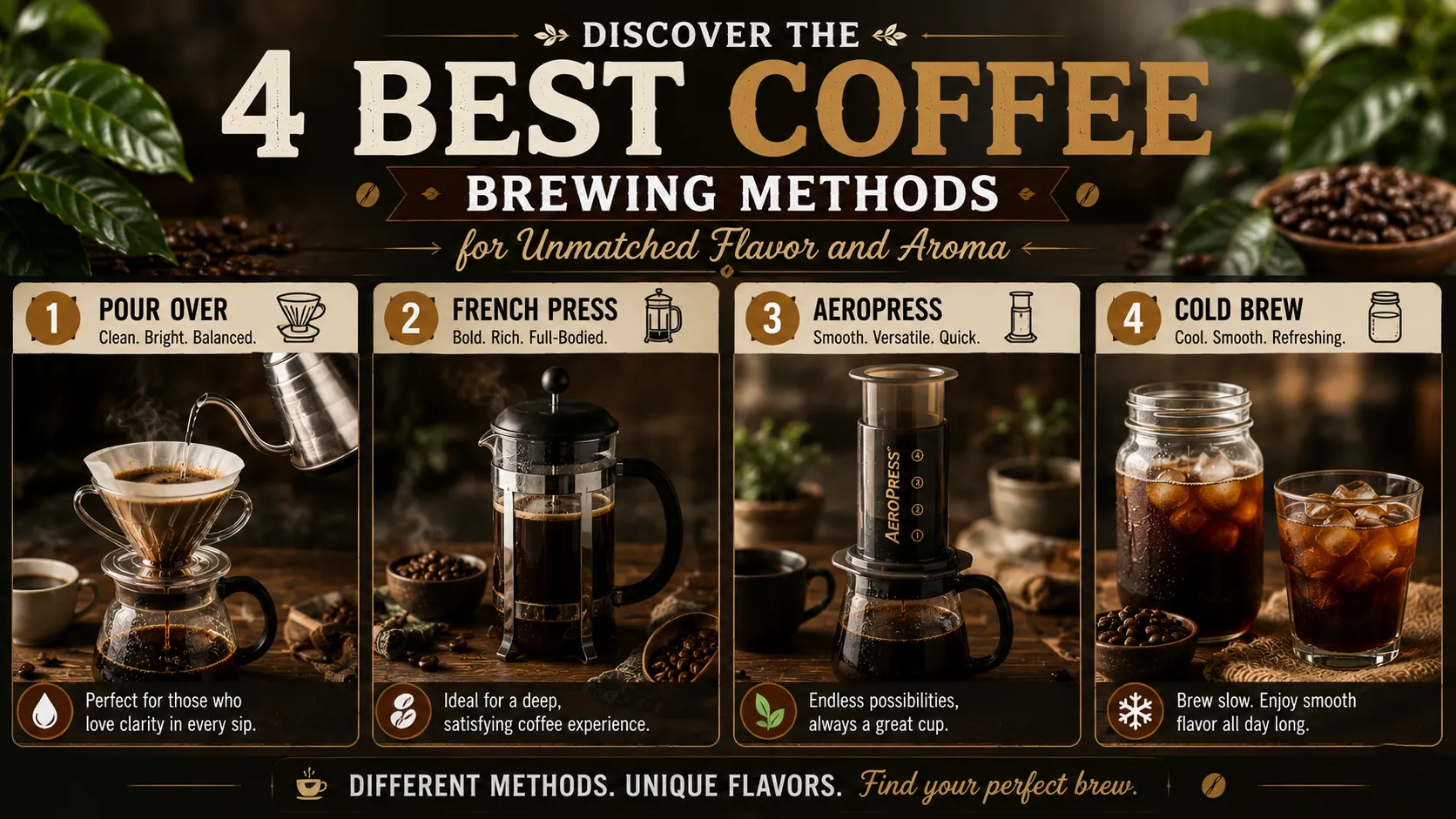
Even after roasting, the brewing method extracts different soluble compounds, highlighting or masking certain attributes. Espresso uses high pressure to produce a concentrated shot with crema, pour‑over highlights clarity and acidity, French press yields a full‑bodied cup with more oils, and cold brew emphasizes smoothness and low acidity.

Understanding where coffee comes from helps baristas and home brewers select appropriate grind size, water temperature, and extraction time to honor the bean’s heritage.

Sustainability and the Future of Coffee Origins

Climate change poses a significant threat to traditional coffee‑growing zones. Rising temperatures, unpredictable rainfall, and increased pest pressure push farmers to adapt through shade‑grown systems, agroforestry, and varietal replacement. Initiatives such as World Coffee Research focus on developing resilient cultivars that maintain quality while tolerating harsher conditions.

Consumers increasingly ask, “Where Does Coffee Come From?” not only for curiosity but to support ethical sourcing. Certifications like Fair Trade, Rainforest Alliance, and Direct Trade aim to improve livelihoods, protect ecosystems, and ensure traceability from farm to cup.

Related Coffee Topics You May Like

Conclusion: A Global Tapestry in Every Sip

To answer “Where Does Coffee Come From” is to trace a lineage that spans Ethiopian forests, Yemeni ports, Dutch plantations, Brazilian fazendas, and Vietnamese highlands. Each sip carries the imprint of altitude, soil, human labor, and cultural tradition. By appreciating this intricate tapestry, we deepen our connection to the beverage that fuels mornings, conversations, and creative endeavors worldwide.

Enjoyed the Journey?

If you loved discovering where coffee comes from, subscribe to our newsletter for more deep‑dives into the world’s favorite beverages. Get exclusive brewing tips, origin spotlights, and sustainability updates delivered straight to your inbox.

Subscribe Now

Frequently Asked Questions

What country produces the most coffee?

Brazil is the largest coffee producer globally, contributing roughly one‑third of the world’s supply. Its vast farms benefit from favorable climate, extensive infrastructure, and a focus on both arabica and robusta varieties.

Is coffee grown in the United States?

Yes, coffee is cultivated in limited areas of the United States, primarily in Hawaii (Kona coffee) and California’s emerging specialty farms. These regions produce small‑batch, high‑quality beans that showcase unique terroir.

How does altitude affect coffee flavor?

Higher altitudes slow bean maturation, allowing more complex sugars and acids to develop. This typically results in brighter acidity, floral notes, and greater flavor clarity, whereas lower‑altitude beans tend to be heavier, earthier, and less acidic.

What is the difference between arabica and robusta?

Arabica beans are known for their smooth, nuanced flavors and lower caffeine content, while robusta beans are stronger, more bitter, contain about twice the caffeine, and are more resistant to pests and diseases. Arabica dominates specialty markets, whereas robusta is common in espresso blends and instant coffee.

Can coffee be grown organically?

Absolutely. Organic coffee farming avoids synthetic pesticides and fertilizers, relying on compost, shade trees, and biological pest control. Many producers obtain organic certification to meet growing consumer demand for environmentally friendly products.

Latest Pots

Italians Call Coffee with Milk: a Deep Dive into Italy’s Milky Coffee Culture

Coffee with Milk and Sugar: a Journey through Flavor, Culture, and Wellness

Sip Smarter: How Coffee to Lose Weight Can Transform Your Morning Routine

coffee_guide-removebg-preview

Explore the world of coffee with honest reviews and practical advice. Find your perfect cup, one bean and machine at a time.

Newsletter
Sign up our newsletter to get updated information, promo or insight for free.
Copyright © 2025 Best Coffee Guide, All rights reserved.