
Elevate Your Morning Brew with Homemade Banana Coffee Syrup
Jump To
Elevate Your Morning Brew with Homemade Banana Coffee Syrup
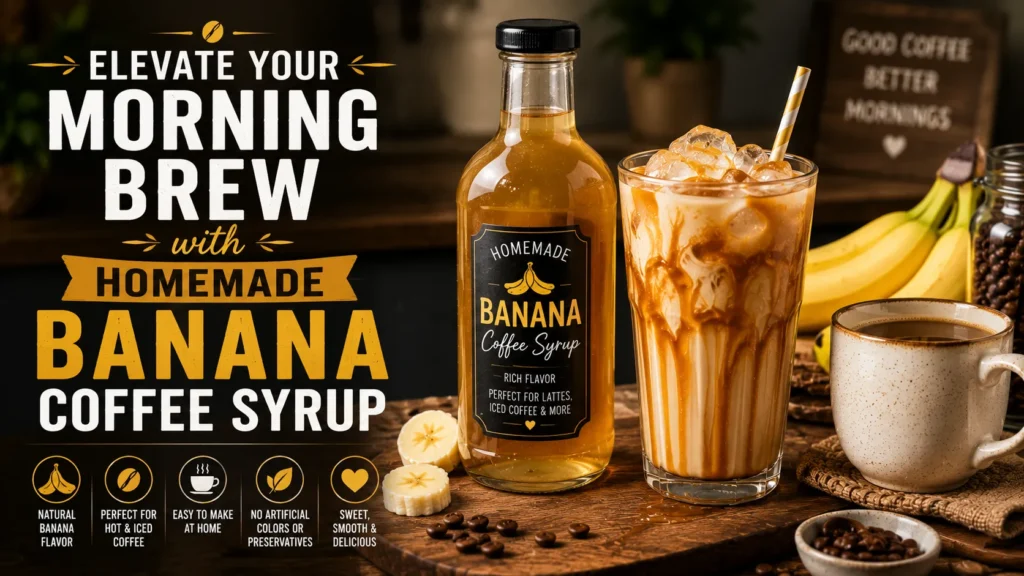
Are you tired of the same old vanilla and caramel lattes every single morning? Fortunately, there is a vibrant, tropical alternative that will completely transform your caffeine routine. By introducing Banana Coffee Syrup to your kitchen, you can easily replicate premium coffeehouse flavors at home.
Consequently, you do not need expensive equipment to elevate your daily cup. This simple addition brings a rich, caramelized sweetness that complements the natural bitterness of roasted coffee beans. Therefore, let us explore how this delightful ingredient can revolutionize your home barista experience.
Key Takeaways
- Perfect Flavor Match: The natural sweetness of banana balances the acidic undertones of espresso.
- Easy to Make: You only need three basic ingredients to prepare a fresh batch at home.
- Versatile Use: This sweetener works beautifully in both hot lattes and refreshing iced cold brews.
- Cost-Effective: Making your own syrup is significantly cheaper than buying commercial alternative brands.
The Magic of Banana-Infused Coffee
Many people are initially skeptical about mixing fruit flavors with dark roast coffee. However, the combination of banana and espresso is actually a culinary match made in heaven. The natural sugars in the fruit caramelize beautifully, which creates a velvety mouthfeel in your drink.
In addition, the tropical aroma of the fruit enhances the earthy notes of the coffee beans. As a result, every sip feels like a decadent dessert rather than just a quick morning pick-me-up. Consequently, cafes worldwide are rapidly adopting this flavor profile to satisfy adventurous coffee lovers.
Furthermore, using a high-quality Banana Coffee Syrup allows you to control the sweetness level of your beverages. You can easily adjust the portion size to match your personal taste preferences. Therefore, you can enjoy a custom-tailored coffee experience without leaving your comfortable kitchen.
By incorporating this unique liquid sweetener, you can elevate your drinks instantly. Indeed, a splash of Banana Coffee Syrup can turn a mundane afternoon into a tropical escape. Subsequently, your friends and family will be thoroughly impressed by your creative beverage-making skills.
How to Make Homemade Banana Coffee Syrup
Creating your own Banana Coffee Syrup is an incredibly straightforward process that requires minimal culinary skills. By preparing it at home, you ensure that no artificial preservatives or synthetic flavorings enter your morning cup.
Moreover, you can utilize overripe bananas that might otherwise go to waste. Consequently, this recipe is both delicious and highly sustainable.
Essential Ingredients
To begin, gather your ingredients to ensure a smooth cooking process. Specifically, you will need:
- 2 medium, highly ripe bananas (sliced)
- 1 cup of filtered water
- 1 cup of organic granulated sugar (or brown sugar for a deeper caramel flavor)
- 1 teaspoon of pure vanilla extract
Step-by-Step Brewing Instructions
First, combine the water and sugar in a small saucepan over medium heat. Stir the mixture continuously until the sugar completely dissolves.
Subsequently, add the sliced bananas to the simmering simple syrup. Gently mash the fruit pieces with a fork to release their natural oils and juices.
Allow the mixture to simmer gently for approximately ten to fifteen minutes. During this time, the liquid will absorb the rich tropical essence.
Next, remove the saucepan from the heat source and let it cool completely. Once cooled, strain the syrup through a fine-mesh sieve or cheesecloth to remove the pulp.
Finally, stir in the vanilla extract for an extra layer of warmth. Pour your fresh Banana Coffee Syrup into a sterilized glass jar and store it securely in the refrigerator.
The Science of Flavor Pairing
To understand why this combination works so well, we must examine the chemistry of coffee beans. Coffee contains complex organic acids, bitter compounds, and delicate floral notes.
Conversely, bananas are rich in amylase, an enzyme that converts starches into sweet, simple sugars. When these sugars are heated, they undergo the Maillard reaction, producing rich, buttery flavor compounds.
Consequently, these caramelized notes perfectly mask the harsh bitterness of darker roasts. Meanwhile, the fruitiness highlights the brighter, berry-like notes found in lighter single-origin coffees.
Therefore, adding Banana Coffee Syrup creates a harmonious balance on your palate. It softens the sharp edges of the espresso while introducing a comforting, nostalgic aroma.
Many baristas agree that the chemistry of this pairing is truly remarkable. Consequently, using Banana Coffee Syrup is a great way to balance highly acidic beans.
Elevating Your Iced Coffee Beverages
When the summer heat arrives, hot drinks often lose their appeal. Fortunately, this versatile sweetener is exceptional in chilled beverages.
For instance, you can easily shake a spoonful of Banana Coffee Syrup with cold brew and whole milk. The cold temperature keeps the drink incredibly refreshing, while the syrup provides a smooth, cohesive sweetness.
In addition, the syrup dissolves much faster in cold liquids than raw sugar does. As a result, you will not end up with a gritty layer of undissolved sugar at the bottom of your glass.
Furthermore, you can drizzle it over ice cream before pouring a hot shot of espresso over the top. This creates a tropical twist on the classic Italian affogato that your guests will absolutely love.
For cold drinks, it is best to use a liquid sweetener rather than sugar granules. Therefore, Banana Coffee Syrup is the ultimate choice for iced lattes.
Creative Coffee Recipes to Try
If you want to move beyond basic lattes, there are several exciting recipes you can try. These drinks are easy to prepare and showcase the versatility of your new sweetener.
The Caramelized Banana Latte
This warm, comforting drink is perfect for chilly autumn mornings. To prepare it, steam eight ounces of your favorite oat milk with one tablespoon of Banana Coffee Syrup.
Subsequently, pour the steamed milk over a fresh double shot of espresso. For a beautiful finishing touch, garnish the top with a light dusting of ground cinnamon or nutmeg.
Tropical Cold Brew Booster
For a refreshing afternoon treat, fill a tall glass with crushed ice and pour in six ounces of cold brew. Add two tablespoons of half-and-half and one tablespoon of Banana Coffee Syrup.
Stir the mixture thoroughly with a long spoon to distribute the flavors evenly. Consequently, you will have a creamy, tropical iced drink that rivals any specialty coffee shop creation.
Espresso Banana Shake
If you prefer a thicker, dessert-like beverage, try blending your ingredients. Combine one frozen banana, a shot of cooled espresso, a splash of almond milk, and a tablespoon of Banana Coffee Syrup in a high-speed blender.
Blend the mixture until it is completely smooth and creamy. Therefore, you get a nutritious, energizing breakfast shake that satisfies your sweet tooth.
Commercial vs. Homemade Sweeteners
When looking to add this flavor to your pantry, you might consider buying a commercial brand. However, there are significant differences between store-bought syrups and homemade versions.
Specifically, commercial options often rely heavily on artificial flavorings and high-fructose corn syrup. These ingredients can leave a medicinal aftertaste in your mouth.
Conversely, homemade Banana Coffee Syrup uses real fruit, providing a genuine, complex taste. Furthermore, you can avoid artificial preservatives and chemical dyes completely.
In terms of cost, making it yourself is incredibly economical. You can easily repurpose overripe fruit that you would otherwise discard. Consequently, your wallet and the environment will both benefit from this sustainable choice.
Furthermore, you can customize your blend to suit your dietary needs. This level of control is impossible with mass-produced Banana Coffee Syrup from the store.
Troubleshooting and Storage Best Practices
To get the most out of your homemade sweetener, proper storage is absolutely essential. Because this recipe does not contain artificial preservatives, it has a shorter shelf life than commercial alternatives.
Therefore, you should always store your finished product in an airtight glass container in the refrigerator. Under these conditions, your Banana Coffee Syrup will remain fresh and delicious for up to two weeks.
If you notice any cloudiness or an off smell, it is time to discard the batch and make a fresh one. To extend its shelf life slightly, you can add a tiny splash of vodka to the mixture, which acts as a natural preservative.
Make sure you label the jar with the preparation date. This ensures you always use your fresh Banana Coffee Syrup while it is at its peak quality.
How to Fix Crystallization
Sometimes, the sugar in your syrup may crystallize after sitting in the cold refrigerator. Fortunately, this is a very easy problem to solve.
Simply place the glass jar in a bowl of warm water for a few minutes. Subsequently, stir the mixture gently until the sugar crystals dissolve back into the liquid.
To prevent this in the future, you can add a squeeze of fresh lemon juice during the simmering process. The acid helps break down sucrose into glucose and fructose, which prevents crystallization.
Selecting the Perfect Bananas for Your Syrup
The quality of your finished sweetener depends heavily on the fruit you select. For instance, green or yellow bananas with green tips will not yield the best results.
These underripe fruits contain high levels of starch and very little sugar. Consequently, your syrup will lack the deep, caramelized sweetness that makes it so delicious.
Instead, you should look for bananas that are covered in brown spots. At this stage, the starches have completely converted into natural sugars, maximizing the flavor profile.
Furthermore, these ripe fruits are incredibly soft and easy to mash during the simmering process. Therefore, they release their aromatic compounds much more readily into the simple syrup.
If you have ripe bananas but are not ready to make a batch of Banana Coffee Syrup, you can freeze them. Simply peel the fruit, slice it into rounds, and store them in a freezer-safe bag until you are ready to cook.
Pairing the Syrup with the Right Coffee Beans
Not all coffee beans are created equal, and some pair much better with tropical flavors than others. To create the ultimate beverage, you should select your beans carefully.
For example, dark roast beans often feature smoky, chocolatey, and nutty undertones. These bold flavors provide a fantastic contrast to the sweet, fruity notes of the Banana Coffee Syrup.
Conversely, medium roast beans from Central or South America often have caramel and citrus notes. When combined with the syrup, they create a beautifully balanced, smooth cup of coffee.
Light roast beans, especially those from East Africa, are highly acidic and floral. While some adventurous drinkers enjoy this combination, the acidity can sometimes clash with the rich sweetness of the banana.
Therefore, we highly recommend starting with a high-quality medium or dark roast for the most harmonious flavor experience. Experimenting with different brewing methods, such as French press or pour-over, can also yield delightfully unique results.
When you brew a strong French press, the robust body pairs beautifully with the sweet fruit. Adding a tablespoon of Banana Coffee Syrup creates a rich, dessert-like beverage.
Dairy and Non-Dairy Milk Pairings
The milk or milk alternative you choose can significantly impact the final taste of your banana-infused coffee drinks. Since different milks have unique fat contents and proteins, they interact differently with the syrup.
For instance, whole dairy milk provides a rich, creamy base that coats the tongue. This fat content carries the sweet banana flavor beautifully, creating a luxurious drink.
However, plant-based milks have become incredibly popular and offer some fantastic pairing options. Oat milk, in particular, has a naturally sweet, cereal-like flavor that complements the fruit perfectly.
In addition, oat milk froths exceptionally well, making it ideal for hot lattes. Coconut milk is another spectacular option, as it enhances the tropical vibe of the Banana Coffee Syrup.
On the other hand, almond milk has a slightly bitter, nutty profile. While it is lower in calories, it may not provide the same velvety texture as oat or dairy milk.
Consequently, we recommend experimenting with different options to find your perfect combination. Ultimately, the goal is to create a balanced beverage that highlights both the coffee and the tropical sweetener.
For a completely dairy-free option, try using soy milk with your syrup. The subtle bean flavor of soy milk works surprisingly well with Banana Coffee Syrup.
Related Coffee Topics You May Like
Frequently Asked Questions
Can I use frozen fruit to make this sweetener?
Yes, you can absolutely use frozen bananas to make Banana Coffee Syrup. In fact, freezing bananas helps break down their cellular walls, making them even juicier and sweeter when thawed. Simply let them thaw completely at room temperature before adding them to your saucepan, ensuring you retain all the sweet liquid that escapes during the thawing process.
What is the shelf life of homemade banana syrup?
Since it does not contain artificial preservatives, your homemade Banana Coffee Syrup will last for about two weeks when stored in an airtight glass container in the refrigerator. To maximize its freshness, always use a clean spoon when measuring out your syrup to prevent introducing bacteria.
Can this sweet syrup be used on other foods?
Absolutely! While Banana Coffee Syrup is designed for drinks, it works wonderfully as a topping for pancakes, waffles, and French toast. Additionally, you can drizzle it over vanilla bean ice cream or mix it into plain Greek yogurt for a delicious tropical treat.
Why does the liquid sometimes look cloudy?
When making Banana Coffee Syrup, cloudiness is completely normal and is caused by the natural starches and fibers of the mashed fruit. If you prefer a crystal-clear syrup, you can strain the mixture multiple times through a double layer of cheesecloth or a paper coffee filter.
Is this tropical coffee sweetener vegan-friendly?
Yes, this homemade Banana Coffee Syrup is completely vegan-friendly as long as you use organic granulated sugar or a plant-based sweetener. Some refined white sugars are processed using bone char, so choosing organic or raw cane sugar ensures your syrup remains strictly vegan.
Ready to Transform Your Daily Coffee Routine?
Don’t let your mornings be boring. Download our free Recipe Card featuring ten unique banana-infused espresso drinks and start brewing like a professional barista today!

Moses Anthony
Moses Anthony is a coffee enthusiast and home brewing specialist with over 7 years of hands-on experience testing coffee beans, espresso machines, grinders, and brewing methods. He has spent years experimenting with pour-over, French press, drip coffee, and espresso to help everyday coffee drinkers brew better coffee at home.At Best Coffee Guide, Moses focuses on practical brewing tips, honest product comparisons, and beginner-friendly coffee education based on real testing and research. His goal is to simplify coffee brewing and help readers make better choices with confidence.
How to Make Coffee Easy: Effortless Tips for Barista‑level Brew at Home
September 17, 2026
No Comments
Read More » Mastering the Art: How to Make Coffee Darker for a Richer, Bold Brew
September 16, 2026
No Comments
Read More » 
How to Make Coffee Dip: Easy Steps to Create a Rich, Coffee-infused Spread
September 15, 2026
No Comments
Read More » Latest Pots
Imagine waking up, craving a rich cup, but feeling overwhelmed by complicated machines and vague recipes. You want great coffee without the fuss, and you deserve a method that works every single time. This guide shows you exactly how to make coffee easy, turning morning…
Many coffee lovers crave a cup that looks as deep and intense as its flavor promises. If your brew often turns out light or washed out, you’re not alone—achieving that striking darkness involves more than just adding extra grounds. In the next few paragraphs we’ll…

Explore the world of coffee with honest reviews and practical advice. Find your perfect cup, one bean and machine at a time.
Main Menu
Top Categories
Newsletter
Sign up our newsletter to get updated information, promo or insight for free.
Copyright © 2025 Best Coffee Guide, All rights reserved.