Dark Roast Coffee Beans: Bold Flavor Without the Bitterness
If your coffee tastes thin and sour when you want it deep and comforting, dark roast coffee beans are probably what you’re after. They’re roasted longer and hotter than light or medium roasts, which gives them a heavy body, low acidity, and rich notes of dark chocolate, caramel, and toasted nuts.
Below you’ll find what actually happens inside the bean during a dark roast, how to pick good beans, the best origins for heavy roasting, how to brew them right, and how to keep those oils tasting fresh instead of stale.
Key Takeaways
- Flavor: Dark chocolate, molasses, toasted nuts, and a smooth smoky finish.
- Low acidity: The long roast breaks down natural acids, so it’s gentler on sensitive stomachs.
- Shiny is normal: Oily surfaces mean the beans reached the second crack — that’s a feature, not a flaw.
- Best brew methods: French press, espresso, and cold brew bring out the most balanced flavor.
What Happens Inside the Bean at High Heat
It helps to know what’s going on in the roaster. Roasters start with green coffee seeds that hold plenty of moisture and natural acids. As heat builds, the moisture escapes and the chemistry shifts fast.
At around 385–400°F (about 195–205°C) the beans hit the first crack — an audible pop as steam forces its way out. Light roasts stop near this point. Dark roasts keep going, and around 440–450°F (225–230°C) they hit the second crack, where the bean’s cell structure fractures. That’s when oils migrate to the surface and the beans take on their glossy look.
That extra time at high heat does two big things: it burns off much of the bright, fruity acidity prized in lighter roasts, and it drives caramelization and pyrolysis — the reactions that create deep, bittersweet flavors. Push it a minute too far, though, and caramelized sweetness tips into ash and char. Good dark roasting stops just short of that line.
The Flavor Profile: What Dark Roast Coffee Beans Actually Taste Like
With a dark roast, you taste the roasting process more than the bean’s origin. The intense heat smooths out regional differences, so the flavors are bold, consistent, and comforting: dark chocolate, molasses, toasted walnuts, and a sweet smokiness on the finish.
The mouthfeel is the other giveaway — heavy and syrupy, coating your palate. If you dislike the sharp, citrusy bite of modern light roasts, this style was made for you.
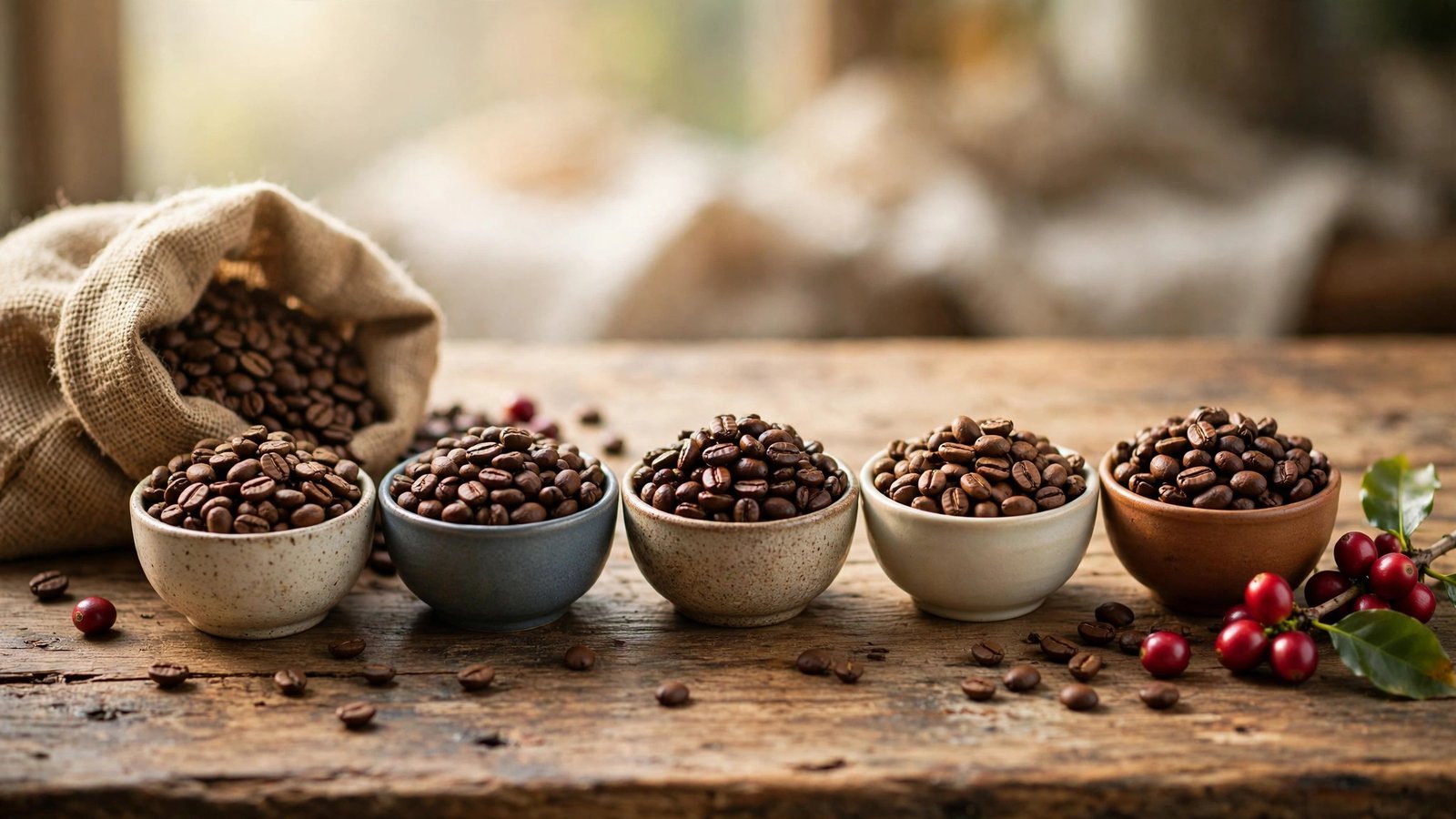
One thing that trips people up: the oily surface. Some assume shiny beans are stale or low quality. For a dark roast, it’s the opposite — visible oil is the natural result of reaching the second crack, and it carries a lot of the aroma. Dry, matte beans at this roast level would actually suggest they never got hot enough.
Do Dark Roast Coffee Beans Have More Caffeine?
Not really — and the answer depends on how you measure.
Caffeine is very stable in the roasting process, so the roast level barely changes the caffeine in a single bean. What changes is the bean itself: dark roasted beans lose roughly 12–18% of their total weight during roasting (mostly water), and each bean ends up larger and lighter than a light-roasted one.
That means:
- By the scoop (volume): dark roast gives you slightly less caffeine, because fewer beans fit in the scoop.
- By weight (scale): dark roast gives you slightly more caffeine, because it takes more of the lighter beans to hit the same grams.
Either way, the difference is small enough that most daily drinkers will never notice it. Pick your roast for flavor, not for a caffeine boost.
Best Origins for Dark Roasting
The roast dominates the flavor, but the green bean still matters. Some delicate beans go flat under high heat, so roasters tend to pick dense, high-altitude beans with enough body to stand up to it. These origins are the classics:
| Origin | What it brings to a dark roast |
|---|---|
| Sumatra (Indonesia) | Earthy, spicy, and herbal with a heavy body. Wet-hulled processing gives it naturally low acidity, so it roasts into a rich, syrupy cup with cedar and dark cocoa notes. |
| Brazil | Low acidity and natural nutty sweetness. Roasts into deep peanut butter, milk chocolate, and toasted caramel — the backbone of many traditional espresso blends. |
| Colombia | Bright cherry and citrus notes mellow into brown sugar and dark chocolate. Approachable and easy to like. |
If you buy from a local roaster, ask when the batch was roasted — anything within the last 3–4 weeks is ideal.
How to Brew Dark Roast Coffee Beans
Dark roast beans are more porous and soluble than lighter roasts, so they extract faster. The main risk is over-extraction, which turns caramelized sweetness into plain bitterness. Two adjustments fix most of it: slightly cooler water and careful grind control.
Water temperature: aim for 195–200°F (90–93°C) instead of boiling. Boiling water pulls out harsh compounds these beans can’t hide.
Three methods that shine:
French press
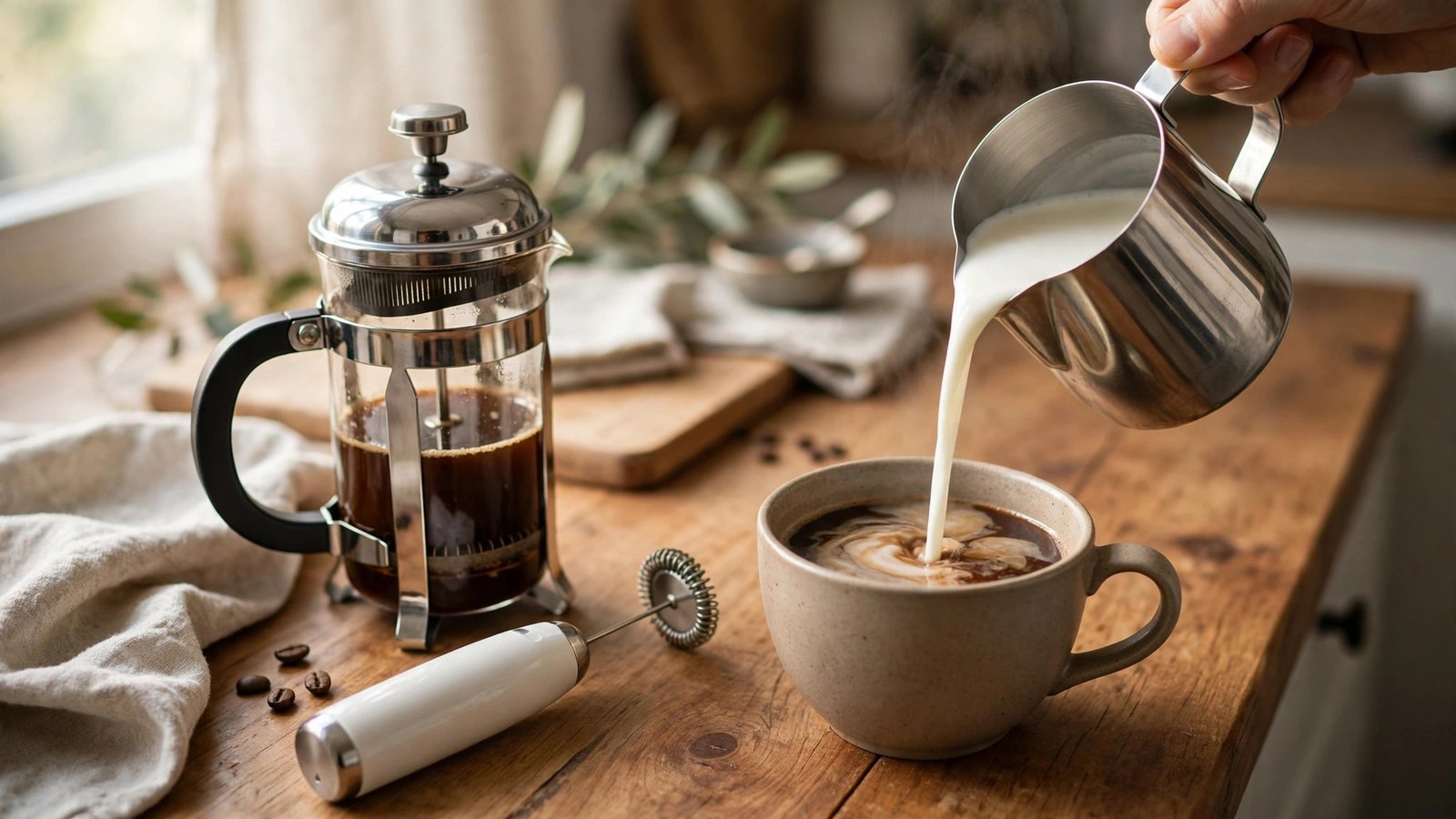
The metal mesh lets the natural oils straight through, so you get the fullest body possible. Use a coarse grind and a 4-minute steep, then gently stir the crust before plunging. The result is heavy and velvety — lovely with a splash of cream.
Espresso
Classic espresso is built on dark roasts. Under pressure, the oils emulsify into a thick, golden crema, and the low acidity keeps the shot smooth instead of sour. Grind slightly coarser than you would for a light roast (the beans dissolve easily) and aim for a 1:2 ratio in about 25 seconds.
Cold brew
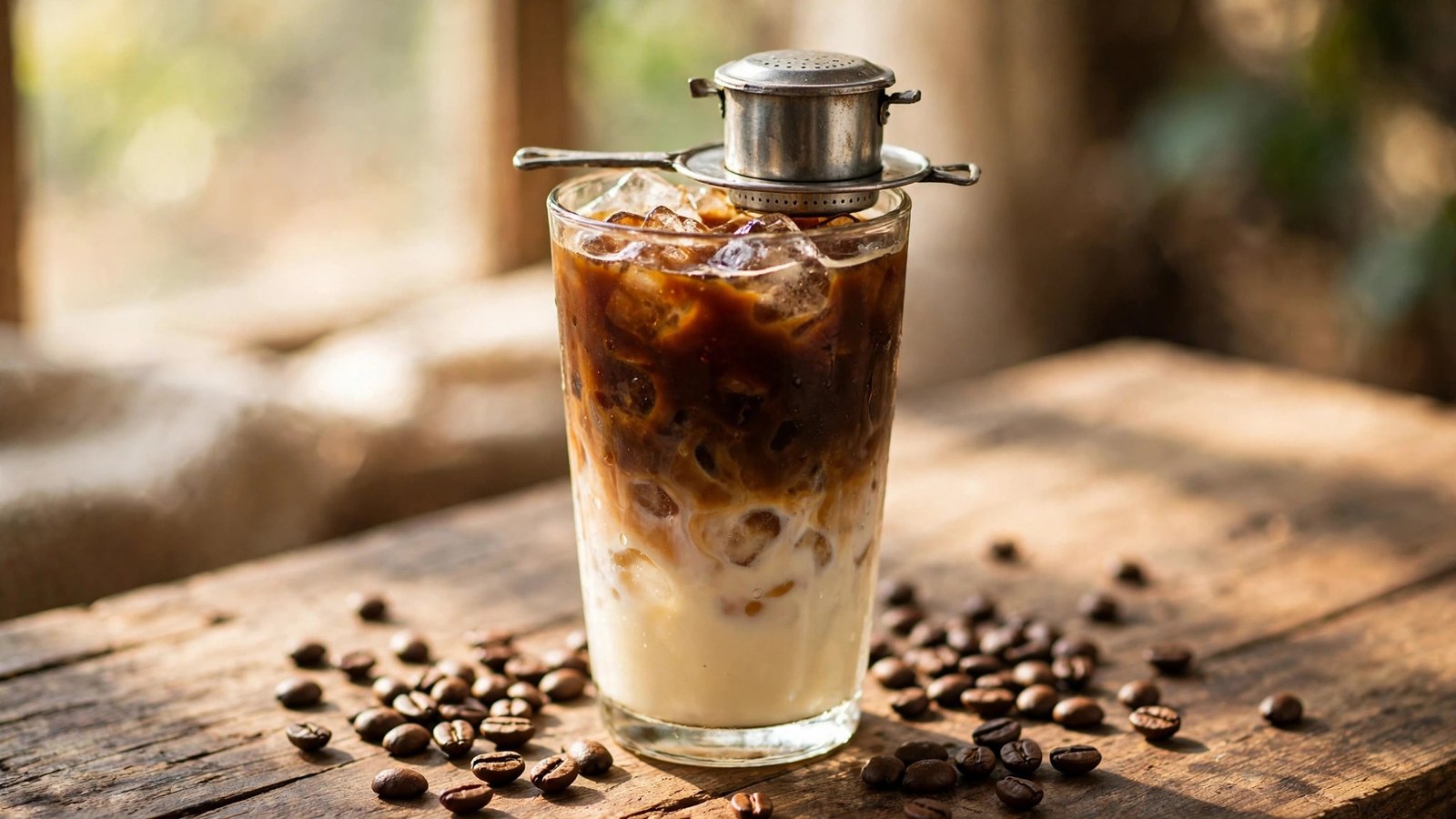
Steeping coarsely ground beans in cold water for 12–24 hours skips the harsh compounds entirely. You get an incredibly smooth, sweet, chocolatey concentrate. Strain it through a paper filter, then dilute with water or milk over ice.
How to Store Dark Roast Beans So They Stay Fresh
The fractured cell structure that makes dark roast taste so good also makes it stale faster. Those surface oils go rancid quickly when they meet oxygen, light, heat, or moisture — and rancid oil tastes like cardboard, not chocolate.
Three rules:
- Airtight container with a one-way degassing valve. The valve lets CO₂ escape without letting oxygen in.
- Cool, dark pantry — away from the stove, the oven, and sunlight.
- Skip the fridge and freezer. Temperature swings cause condensation inside the bag, and moisture kills the oils fast.
At their best, dark roast beans hold peak flavor for about 2–3 weeks after the roast date (lighter roasts can stretch a bit longer). Buy smaller bags you can finish in that window, and grind right before brewing.
Where to Buy Good Dark Roast Beans
Your best bet is a local roaster with a roast date printed on the bag — freshness matters more for dark roasts than for any other style. If you’re buying online, look for roasters that list the origin and roast level clearly and ship within days of roasting. Avoid bags with no roast date at all; without one, you can’t tell whether you’re getting fresh beans or months-old stock.
Frequently Asked Questions
Is dark roast coffee easier on the stomach?
Generally, yes. The long roast breaks down much of the green coffee’s natural organic acids, and dark roasts form compounds like N-methylpyridinium (NMP), which research links to less stomach acid stimulation — the opposite of what many people assume.
Why are my dark roast beans so oily?
Because they were roasted past the second crack. The heat fractures the bean’s cell walls and pushes natural oils to the surface. It’s completely normal and actually signals a properly developed dark roast.
What roast level is darker than dark roast?
Names like French, Italian, and Spanish roast are just darker shades of dark — taken further into the second crack for a smokier, more intense cup. They trade more sweetness for more roast character, so try them before committing to a big bag.
Can I use dark roast beans for pour over?
You can, but dial the water down to about 195°F and use a medium-coarse grind. The paper filter will strip out some oils, giving you a cleaner (if slightly less rich) cup than a French press.
How long do dark roast coffee beans stay fresh?
About 2–3 weeks after the roast date at peak flavor. The porous structure and exposed oils oxidize faster than lighter roasts, so buy small, store airtight, and grind fresh.
Related Coffee Topics You May Like
- 10 Best Home Coffee Makers of 2026
- 10 Best French Press Coffee Makers of 2026
- 10 Best Coffee Scales of 2026
- 10 Best Pour Over Coffee Makers in 2026
- 10 Best Espresso Machines of 2026
- 10 Best Arabica Coffee Beans of 2026
- 10 Best Coffee Beans for Espresso of 2026
- 10 Best Coffee Machines Under $200 of 2026