
Light roast coffee is coffee made from beans roasted only to shortly after the “first crack” — the moment beans audibly pop as steam builds inside them — at around 355–401°F (180–205°C). Because the roast stops there, the beans stay light brown and dry, and you taste the bean’s origin — fruity, floral, bright — instead of the roaster’s smoke and caramel.
If you have ever heard that light roast is “weak” or “low caffeine,” neither is really true. A light roast can be one of the most flavorful cups you will ever drink, provided you brew it right. This guide walks through what makes light roast different, how it tastes, the caffeine truth, and the small brewing tweaks that make it shine.
Light roast coffee means beans roasted for the shortest time of the main roast levels, dropped from the roaster just after first crack. The result: beans that are light brown with a dry surface, brighter acidity, and flavor notes that reflect where the coffee was grown — citrus, berries, honey, florals — rather than flavors created by roasting. It is the roast level specialty coffee roasters use most when they want to show off a bean’s origin.
The name has nothing to do with strength. It simply describes how far the roasting went: less time, lower final temperature, lighter bean color, and fewer caramelized sugars than medium or dark roasts. A light roast cup does not have to taste thin. With the right grind and ratio, it can be full of sweetness and body — just without the smoky, bittersweet notes people associate with dark roast.
Green coffee beans start out dense, grassy-smelling, and full of moisture. Roasters heat them through a series of stages:
| Roasting stage | What happens |
|---|---|
| Green bean | Moist, grassy-smelling, no real coffee flavor yet |
| Drying | Moisture evaporates, beans warm through |
| Yellowing | Sugars begin to change, early aromas develop |
| First crack | Steam pressure builds and the beans audibly crack — like popcorn |
| Light roast finish | Roast stops shortly after first crack; origin flavors preserved |
That early stop is the whole point. The longer a bean stays in the roaster, the more its origin character gets replaced by roast character. Stop early, and an Ethiopian bean still tastes like Ethiopia.
Finished light roast beans are usually:
Expect brightness. Where a dark roast gives you dark chocolate, molasses, and smoke, a light roast leans toward citrus, berries, stone fruit, honey, jasmine, and sometimes chocolate or caramel from the bean itself. “Brightness” is the word coffee people use for the lively acidity in these cups — think of the crisp snap of a Granny Smith apple rather than anything sour.
Two light roasts from different countries can taste completely different from each other. An Ethiopian natural might bring blueberry and florals; a washed Colombian might bring apple and caramel. That variety is exactly what keeps specialty coffee drinkers coming back.
| Feature | Light roast | Dark roast |
|---|---|---|
| Roast time | Short, stops after first crack | Long, often past second crack |
| Bean color | Light brown | Dark brown to nearly black |
| Bean surface | Dry | Oily |
| Flavor | Fruity, floral, bright | Bold, smoky, bittersweet |
| Acidity | Higher (brighter) | Lower |
| Body | Light to medium | Medium to full |
| Origin character | Very noticeable | Mostly covered by roast flavor |
| Best suited brewers | Pour over, Chemex, AeroPress, drip | Espresso, French press, moka pot |
This is the most misunderstood part. Dark roast tastes stronger, so people assume it has more caffeine. In reality, the difference is tiny.
Here is why: roasting barely changes the caffeine molecule. What changes is the bean’s density. Light roast beans stay denser, so if you scoop your coffee by the spoonful, a scoop of light roast holds slightly more coffee mass — and therefore slightly more caffeine — than a scoop of dark roast. If you weigh your coffee on a scale, the caffeine difference between light and dark roast is practically nothing.
For your daily cup, the brewing ratio, serving size, and method affect your caffeine intake far more than the roast level does.
Probably not in any way you would notice. The per-scoop caffeine edge of light roast is small, and any “more energetic” feeling likely comes from the brighter, livelier flavor rather than extra caffeine. If you want a stronger kick, use a bigger serving or a higher coffee-to-water ratio — that makes a much bigger difference than switching roasts.
Light roast shines when you want to actually taste the bean. It is the favorite of specialty coffee shops, pour-over brewers, and anyone doing coffee tastings, because it shows the clearest picture of origin, processing, and quality. It also retains more of the bean’s natural chlorogenic acids — plant compounds researchers are still studying — though neither roast should be treated as a health product. Either way, black coffee or coffee with minimal sugar is the sensible choice; the syrups and whipped cream are what make a coffee drink unhealthy, not the roast.
Medium roast sits between the two. Beans stay in the roaster past first crack but come out before the heavy smoky flavors develop. The result is balanced: medium acidity, medium body, gentle sweetness, some caramel notes, less fruitiness than light roast, less bitterness than dark. It is the default in much of the United States because it works well in drip machines, espresso, and single-serve brewers — and it is a good starting point if you are trying specialty coffee for the first time.
Dark roast beans go longer and hotter, developing flavors like dark chocolate, toasted nuts, molasses, and smoke, with a shiny, oily surface. Many traditional espresso blends are dark roasted for a bold, full-bodied, low-acidity cup. Some people assume dark roast is “bad” coffee, but that usually comes from over-roasted or low-quality beans being roasted dark to hide defects — or from burnt technique. A well-roasted dark from good beans is a perfectly fine cup. It is just a different flavor experience.
Some people find dark roast easier to drink because its lower acidity feels smoother. But flavor acidity and stomach irritation are not the same thing, and individual tolerance varies a lot. Brewing method, serving size, bean quality, and whether you drink coffee with food usually matter more than roast level. If coffee bothers your stomach, try a different brew method before writing off a roast.
Because light roast beans are denser, they can need slightly hotter water and a finer grind than dark roast to extract well. The methods that show off light roast’s clarity:
Espresso made with light roast is a whole style of its own — bright, fruit-forward shots you will find in modern specialty cafes.
Look at the bag, not just the words “light roast.” Good roasters tell you:
If a roaster shares all of that, it usually means they care about transparency and quality. Buy whole beans and grind right before brewing — it makes a bigger difference than any gadget.
In flavor, no — dark roast tastes stronger because of its bold roasted notes. In caffeine, the difference is tiny and mostly disappears if you measure by weight instead of by scoop.
Not when brewed well. Its acidity tastes like brightness — similar to the crisp tang of fruit — not sourness. A sour cup usually means under-extraction: try a finer grind or hotter water.
Yes. Many specialty cafes pull light roast espresso for bright, fruit-forward shots. It tastes different from traditional dark Italian-style espresso, but it is excellent in its own way.
It depends. Beginners who like smooth and balanced may prefer medium roast first. Curious drinkers who want to explore coffee origins tend to love light roast.
Light roast generally retains more chlorogenic acids than dark roast, since those compounds break down with longer roasting. Dark roast develops other antioxidant compounds in their place. Either can fit a balanced diet; neither is a health product.
Light roast coffee is the clearest window into what a coffee bean actually tastes like. Roasted just past first crack, it keeps its origin flavors, brighter acidity, and natural sweetness, and its caffeine content is essentially the same as any other roast when measured properly. Brew it a little finer and a little hotter, buy fresh whole beans from a roaster that shares details, and you might find it is the most interesting coffee you have had in a long time.



Jump To How to Taste Coffee at Home: Cupping Without Any Special Gear The Short Answer Learning how to taste coffee at home takes two bowls, two spoons, hot water and about 15 minutes. You brew two coffees side by side, break the crust that…

Jump To Whole Bean vs Pre-Ground Coffee: When Freshness Actually Matters (and When It Doesn’t) Whole bean vs pre-ground coffee comes down to one thing: air. Whole beans keep their flavour locked inside for weeks, while ground coffee starts losing it within hours of grinding.…
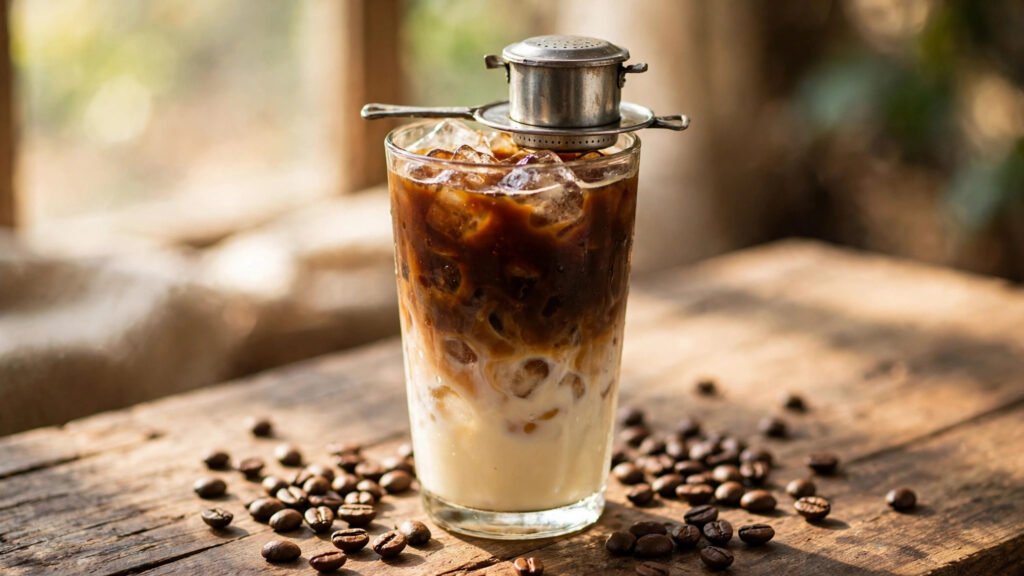
Jump To Vietnamese Iced Coffee (Ca Phe Sua Da): The Real Recipe, Plus the No-Phin Version Vietnamese iced coffee — ca phe sua da — is dark, strong coffee dripped slowly through a small metal phin filter onto sweetened condensed milk, then stirred and poured…

Explore the world of coffee with honest reviews and practical advice. Find your perfect cup, one bean and machine at a time.