Drip coffee is the brewing method where hot water drips through ground coffee held in a filter, and gravity pulls the finished brew into a pot or cup below. That’s the whole trick — no pressure, no fancy gear. If you’ve ever pressed “brew” on an automatic coffee machine in the morning, you were making drip coffee. This guide explains exactly how it works, how it tastes, how it differs from pour over, espresso, and instant, and how to brew a genuinely good cup at home.
What Is Drip Coffee in Simple Words?
Drip coffee is hot water slowly dripping through ground coffee beans and a filter. The water picks up flavour and oils as it passes through, then collects underneath as ready-to-drink coffee. Three things go in — ground coffee, water, a filter — and one thing comes out: a clean, smooth, balanced cup.
Because the flow is driven by gravity rather than pressure, the brew stays mellow. You get a light-bodied cup with easy-drinking flavour, which is why drip coffee is the default in most homes, offices, hotels, and cafés across the United States.
How Does Drip Coffee Work?
Whether you use a machine or a simple manual setup, the mechanics are identical:
- Ground coffee sits in a filter above a pot or carafe.
- Hot water is heated to roughly 195–205°F (90–96°C) — just off boiling.
- Water drips or showers evenly over the coffee grounds.
- Gravity pulls the water down through the coffee, extracting flavour as it goes.
- The brewed coffee collects in the pot below, while the grounds stay trapped in the filter.
The filter matters more than people think. A paper filter absorbs oils and fine sediment, giving you a bright, clean cup. A reusable metal or mesh filter lets more oils through, producing a heavier body with a bit more texture.
A Quick History: Where Drip Coffee Came From
Drip coffee as we know it traces back to 1908, when a German housewife named Melitta Bentz grew frustrated with the bitter, gritty coffee from her percolator. Her solution: punch holes in a brass pot and line it with a piece of blotting paper from her son’s school notebook. The paper filtered the grounds cleanly, and the cup tasted noticeably smoother.
Bentz patented the design and started the Melitta company — yes, the same name you still see on filters and pour-over cones today. The electric automatic drip machine arrived decades later (popularised in the 1970s), but the core idea never changed: gravity-fed water through ground coffee and a filter.
Drip Coffee Machine vs Manual Pour Over
Here’s the distinction that trips people up: all pour over is drip coffee, but not all drip coffee is pour over. Both rely on gravity pulling water through grounds and a filter. The difference is control.
| Feature | Automatic Drip Machine | Manual Pour Over |
| Method | Gravity + filter | Gravity + filter |
| Water flow | Machine controls it | You control it |
| Heat control | Fixed heating element | You heat and manage the water |
| Skill needed | None — press a button | Some practice helps |
| Consistency | Same cup every time | Varies with your technique |
| Price range | Machines typically cost $30–$150 | Cones and drippers typically cost $15–$40 |
An automatic drip machine is the set-it-and-forget-it option: add water and grounds, press brew, walk away. A manual pour over (like a Melitta cone or a ceramic dripper) is the same physics with your hands on the controls — you decide the pouring speed and pattern, which lets you fine-tune the flavour but takes a few tries to learn.
Drip Coffee vs Other Brewing Methods
Drip Coffee vs Pour Over
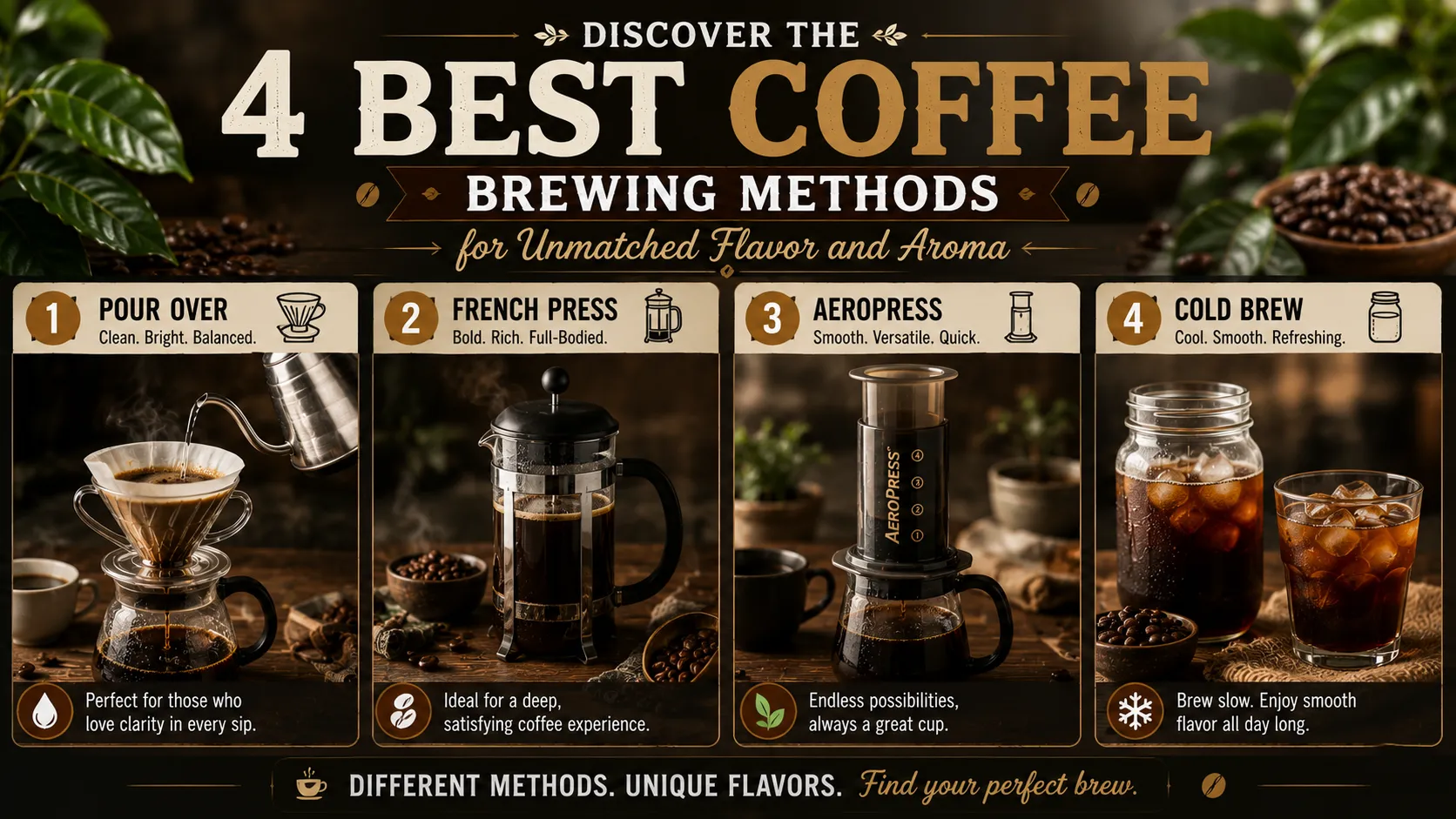
Technically the same family — pour over is simply drip coffee brewed manually. “Drip coffee” in everyday speech usually means the automatic machine version. If you want convenience, go drip machine. If you enjoy the ritual and want to dial in flavour, go pour over.
Drip Coffee vs Espresso
| Feature | Drip Coffee | Espresso |
| Brew method | Gravity drip through a filter | High pressure through a packed puck |
| Brew time | 4–10 minutes | About 25–30 seconds |
| Taste | Smooth, mild, balanced | Intense, concentrated |
| Texture | Light-bodied | Thick, syrupy with crema |
| Caffeine per serving | Similar or slightly more per full cup (larger volume) | Strong per ounce, but a shot is only 1–2 oz |
A full 12 oz cup of drip coffee can contain as much total caffeine as a double espresso shot — it’s just diluted in far more water. “Strong” and “intense” aren’t the same thing.
Drip Coffee vs Americano
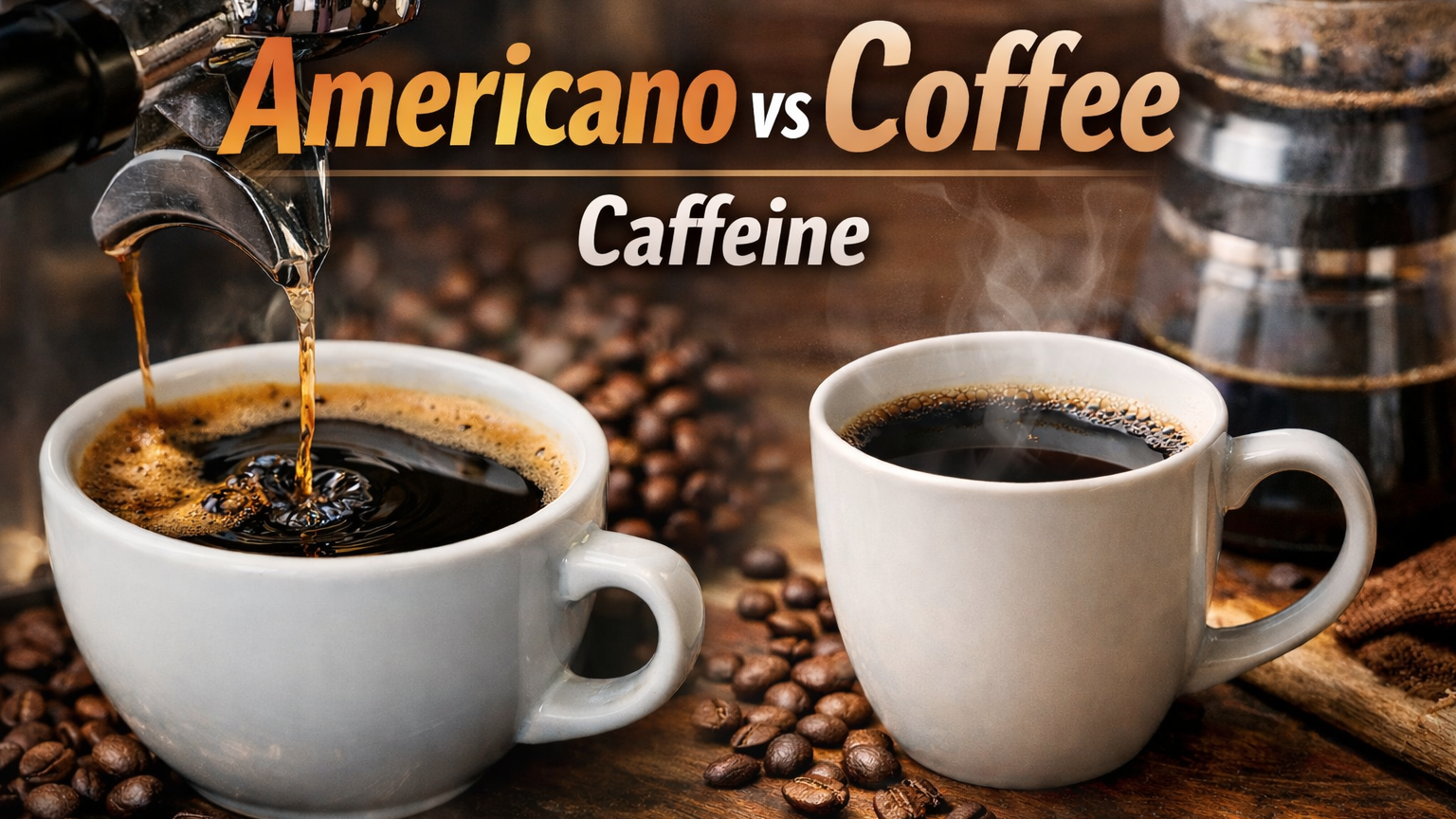
Both look like black coffee in a mug, but they’re built differently. Drip coffee is brewed directly: hot water through grounds. An Americano is an espresso shot diluted with hot water. The Americano tends to taste a little sharper, with espresso’s toasted notes; drip coffee tastes cleaner and rounder.
Drip Coffee vs Percolator
This one matters historically. A percolator cycles boiling water up through a tube and rains it back over the grounds repeatedly — the coffee effectively gets brewed several times over. The result is usually bitter and harsh compared to drip. Drip coffee passes the water through the grounds once, which is exactly why Melitta Bentz invented the paper filter in the first place.
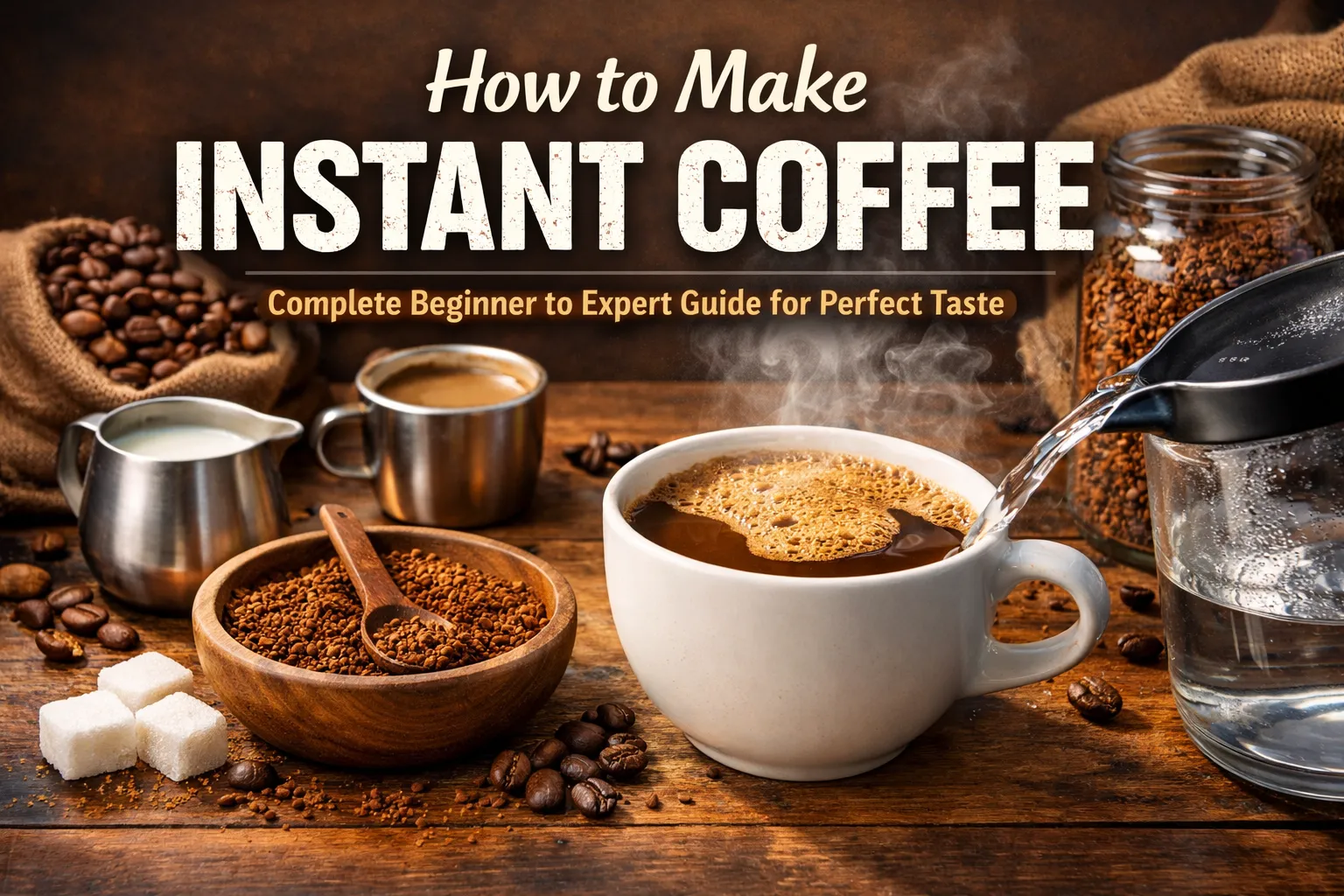
Drip Coffee vs Instant Coffee
| Feature | Drip Coffee | Instant Coffee |
| What it is | Freshly brewed from ground beans | Pre-brewed, then dried into granules |
| Taste | Fresh, aromatic, full | Flat, one-dimensional |
| Prep time | 5–10 minutes | Under a minute |
| Freshness | Grounds brewed minutes before drinking | Made weeks or months ago |
Instant wins on speed. Drip wins on flavour every time.
Is Drip Coffee the Same as Black Coffee?
No — and this mix-up is everywhere. Drip coffee is a brewing method. Black coffee is a serving style — coffee served without milk, cream, or sugar. A cup of drip coffee becomes black coffee only if you drink it plain. Pour milk in and it’s still drip coffee, just not black coffee anymore.
What Does Drip Coffee Taste Like?
Expect a smooth, balanced, easy-drinking cup: light to medium body, gentle acidity, and clean finish with no grit. It won’t punch you like espresso or taste heavy like French press. Because the filter removes oils and sediment, drip coffee highlights the coffee’s natural sweetness and clarity — which is why many coffee drinkers call it their everyday baseline.
The Brew Basics: Better Drip Coffee at Home
Grind Size
Medium grind — roughly the texture of sea salt. Too fine and the water drains slowly, over-extracting into bitterness. Too coarse and the water rushes through, leaving you with weak, sour coffee.
Coffee-to-Water Ratio
Start with 1 to 2 tablespoons of ground coffee per 6 ounces (about 180 ml) of water. Want it bolder? Nudge the coffee up. Prefer it lighter? Nudge it down. This ratio is a starting line, not a law — adjust it to your own taste over a few brews.
Water Temperature
Just off boiling: 195–205°F (90–96°C). Boiling water (212°F / 100°C) scorches the grounds and adds harshness. Automatic machines handle this for you; if you’re pouring manually, let the kettle sit about 30 seconds after boiling.
Freshness Counts
Use freshly ground beans when you can — pre-ground coffee stales quickly once opened. And don’t let brewed coffee sit on a hot plate for hours; it turns bitter and flat. An hour on the warmer is plenty.
Pros and Cons of Drip Coffee
What’s great about it:
- Dead simple — anyone can make it with zero training
- Brews a full pot, perfect for households and offices
- Consistent results cup after cup
- Inexpensive to get started (basic machines and cones are budget-friendly)
- Clean, smooth flavour that suits almost everyone
Where it falls short:
- Less control over flavour than manual methods like pour over
- Can taste flat if you use stale beans or leave it warming too long
- Machines need regular cleaning — old coffee oils turn rancid
- Won’t deliver espresso-style intensity or crema
Common Mistakes to Avoid
- Stale beans or grounds. Old coffee makes dull coffee — buy whole beans in smaller bags and grind fresh.
- Wrong grind size. Fine grind in a drip machine equals bitter; coarse equals watery.
- Skipping machine cleaning. Mineral scale and rancid oils build up fast. Descale every month or two.
- Leaving coffee on the hot plate for hours. It keeps “cooking” and turns bitter.
- Tap water with heavy chlorine. If your water smells like a pool, the coffee will show it. Filtered water is a cheap upgrade.
FAQs
What is drip coffee in simple words?
Hot water dripped through ground coffee and a filter, with gravity doing the work. That’s the whole method.
What is drip coffee made of?
Three things: ground coffee beans, hot water, and a filter (paper or reusable mesh). Nothing else is required.
Is drip coffee stronger than espresso?
Not in concentration — espresso is far more intense per ounce. But a full 12 oz mug of drip coffee can contain as much total caffeine as a double espresso, because there’s simply more of it.
Can I make drip coffee without a machine?
Yes. A simple pour-over dripper or even a funnel lined with a paper filter over a mug works on the exact same principle — gravity, grounds, filter.
Why does my drip coffee taste bitter?
Usually one of three things: the grind is too fine, the beans are stale, or the coffee sat on the hot plate too long. Fix the grind first — it’s the most common culprit.
What grind size is best for drip coffee?
Medium — like sea salt. It’s the sweet spot that lets water flow through at the right pace for balanced extraction.
What is drip coffee at Starbucks?
Starbucks calls it “brewed coffee” — it’s their regular drip offering, available in light, medium (Pike Place), and dark roasts. It’s typically the most affordable brewed option on the menu.
Drip coffee vs pour over — which should I choose?
Pick the drip machine if you want convenience and consistency. Pick pour over if you enjoy the hands-on process and want to fine-tune the flavour yourself.
Final Thoughts
Drip coffee earned its place as the world’s most common brewing method for a reason: it’s simple, consistent, and genuinely good when brewed with fresh coffee, the right grind, and clean equipment. You don’t need expensive gear or barista skills — just gravity, a filter, and a little attention to the basics.
If you want to go deeper, check our guides to the best drip coffee makers, pour-over brewers, and coffee grinders to find gear that fits your budget.