
Instant coffee can taste surprisingly good — smooth, balanced, and genuinely enjoyable — but only if the method is right. Most bitter, flat, or lumpy cups come down to three small mistakes: too-hot water, the wrong ratio, and dumping everything in at once.
The basic recipe: add 1–2 teaspoons of instant coffee to a cup, dissolve it in a splash of warm water first, then top up with hot (not boiling) water. That’s the whole foundation. Everything below is about making that simple cup taste as good as possible.
Why Technique Matters With Instant Coffee
Instant coffee is real brewed coffee that has been dried into granules. When you add water, you’re not brewing anything new — you’re just dissolving it back. That means your technique is the only variable you control. The granules don’t need extraction; they need to be handled gently.
Boiling water scorches the delicate flavor compounds and pulls out harsh bitterness. Too much powder makes it bitter; too little makes it watery. And dumping hot water straight onto the powder is what leaves those stubborn lumps at the bottom.
Step-by-Step: The Best Way to Make Instant Coffee
- Add 1–2 teaspoons of instant coffee to a clean, dry cup. One teaspoon gives a mild cup; two gives a full-bodied one.
- Add 2–3 tablespoons of warm (not hot) water and stir until it forms a smooth, dark liquid with no lumps. This is the step almost everyone skips — and it’s the one that changes the most.
- Pour in 6 ounces (about 175 ml) of hot water at ~200°F (80–90°C). No thermometer? Boil the water, then let it sit for 20–30 seconds.
- Stir well and taste it before adding anything else. Adjust with sugar or milk to your preference.
The whole thing takes under two minutes and produces a noticeably smoother cup than the usual “scoop and pour boiling water” approach.
How to Make Instant Coffee With Milk (Creamy Version)
Milk softens the edges of instant coffee and makes it far more forgiving — a great option for beginners or anyone who finds black coffee too sharp.
- Add the coffee and sugar (if you use it) to your cup.
- Dissolve them in a small splash of warm water, just like the base method.
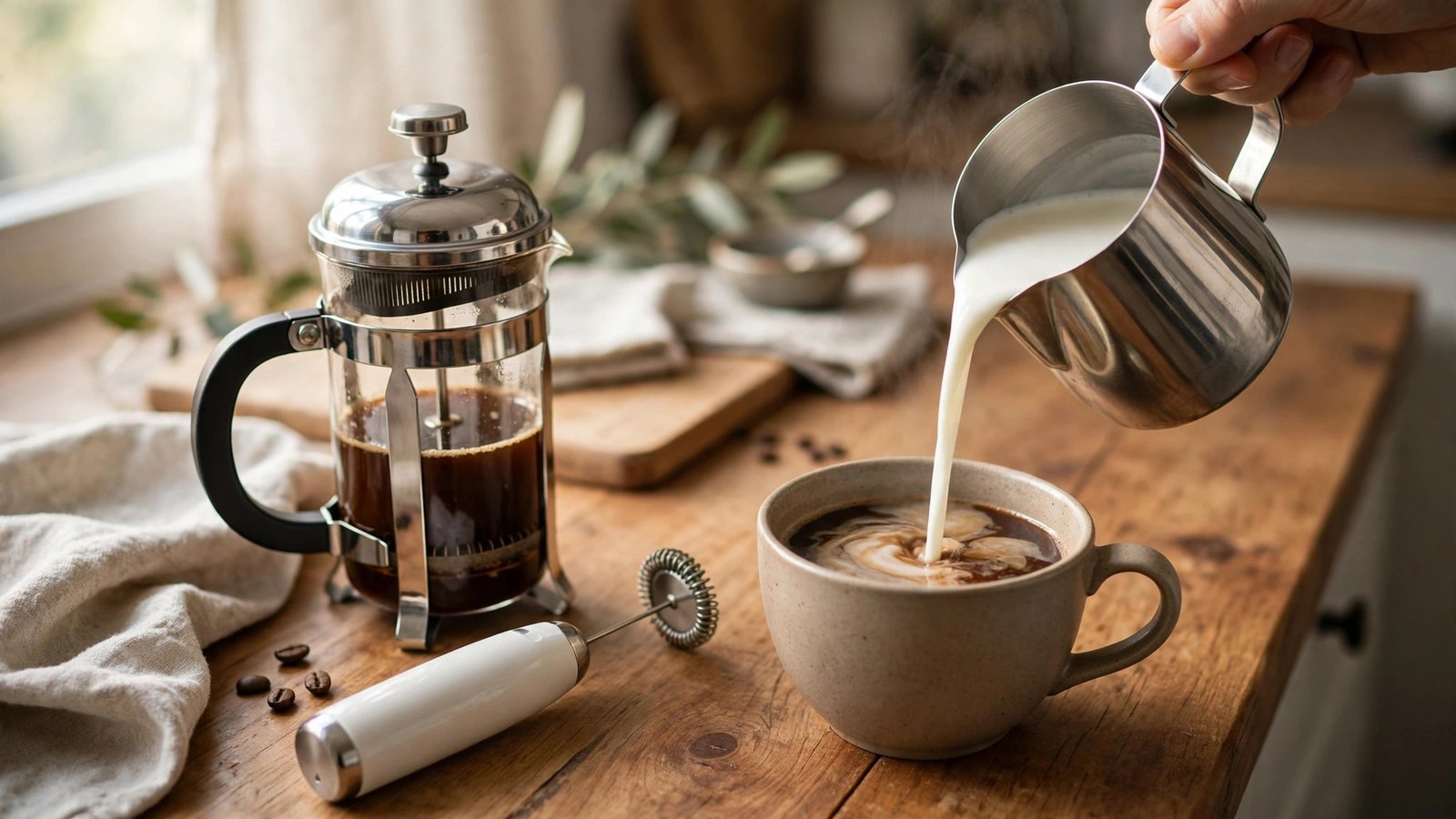
- Heat milk separately — on the stove or in the microwave until hot but not boiling — and pour it in slowly while stirring.
Hot milk works far better than cold milk straight from the fridge, which drops the temperature and dulls the flavor. Want it extra creamy? Warm the milk and give it a vigorous stir or a quick froth with a hand frother before pouring.
How to Make Instant Coffee Indian Style (Foamy Method)
This one is a small project, but the payoff is a thick, foamy cup that feels café-made.
- Add 1 tablespoon of instant coffee and 1–2 tablespoons of sugar to a sturdy cup.
- Add just 1–2 tablespoons of water.
- Beat the mixture hard with a spoon — or better, a hand mixer — for 2–3 minutes until it turns light brown, thick, and creamy.
- Pour hot milk over it and stir gently so the foam floats.
The sugar helps the foam hold; reducing the sugar will give you less foam. That’s simply how this method works.
How to Make Strong (Espresso-Style) Instant Coffee
For a bold, concentrated shot — or a base for lattes — add 2 teaspoons of instant coffee and just 30–50 ml of hot water. Stir until completely dissolved. It’s not true espresso (there’s no pressure extraction), but it gives you a strong, syrupy base that stands up well to milk.
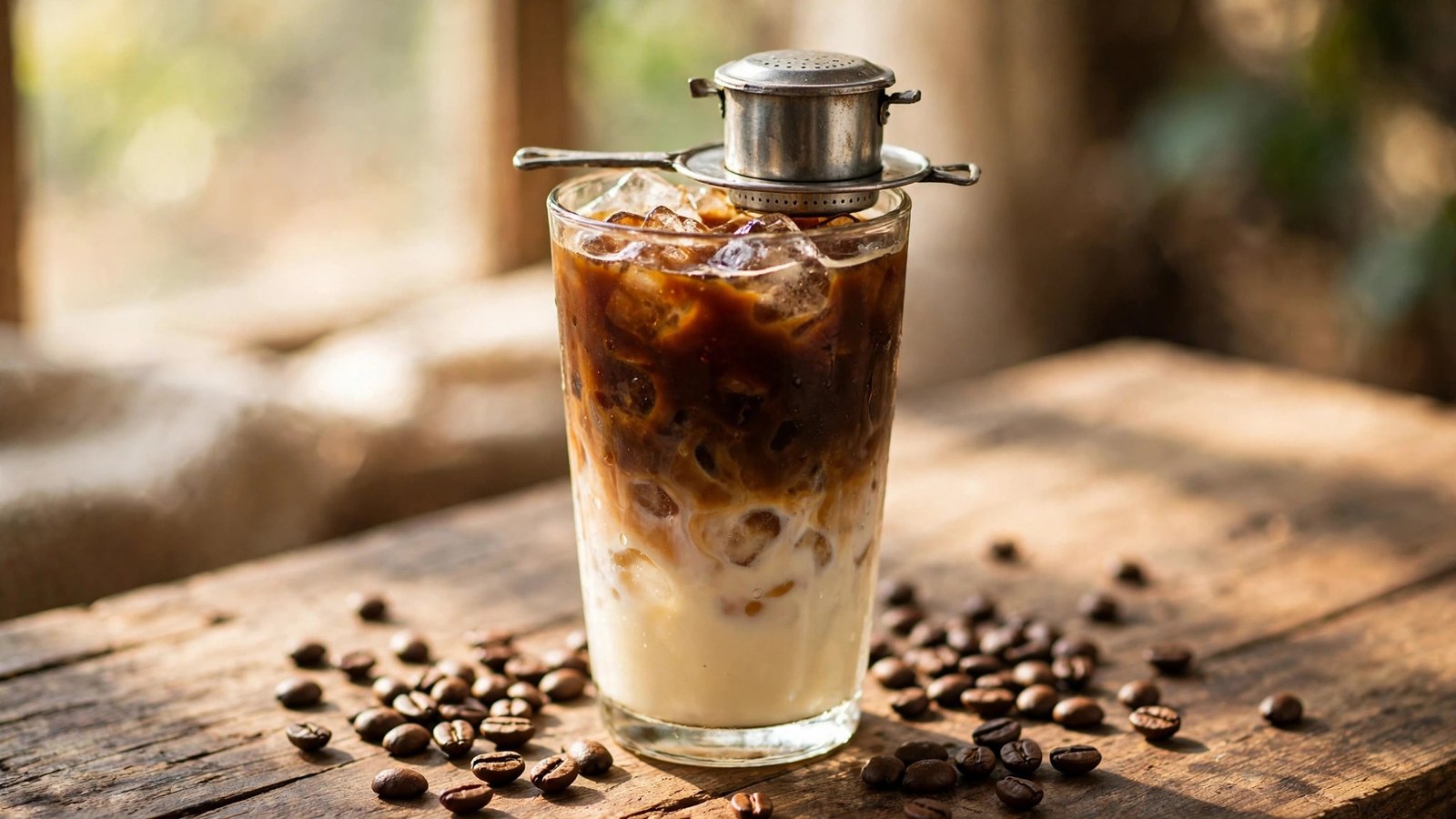
How to Make Iced Instant Coffee
- Dissolve 1–2 teaspoons of instant coffee in a small amount of warm water first — this is non-negotiable, because granules barely dissolve in cold water.
- Add cold water or milk, then pour over a full glass of ice.
- Stir and sweeten to taste. Sugar syrup or a liquid sweetener blends more easily than granulated sugar in cold drinks.
Instant Coffee From a Sachet
Sachets (3-in-1 packets with coffee, sugar, and creamer) are the fastest option. Pour into a cup, add hot water or hot milk, stir well. The dissolve-first trick still helps here — sachet powders lump up too.
Instant Coffee Methods Compared
| Method | Taste | Texture | Effort | Best For |
|---|---|---|---|---|
| Black (classic) | Strong, direct | Light | Very low | Daily quick cup |
| With milk | Smooth, mellow | Creamy | Low | Beginners, milder taste |
| Espresso style | Very strong | Thick | Low | Bold taste, drink bases |
| Indian (foamy) | Rich, sweet | Foamy | Medium | Weekend treat |
| Iced | Refreshing | Light | Low | Warm weather |
| Sachet | Balanced | Smooth | Minimal | Travel, office |
5 Mistakes That Ruin Instant Coffee
- Using boiling water — the #1 cause of bitterness. Let it cool to ~200°F first.
- Skipping the dissolve step — hot water on dry granules creates lumps and uneven flavor.
- Using too much powder — more isn’t stronger-tasting, it’s just more bitter. Stay at 1–2 tsp per 6 oz.
- Adding cold milk straight in — drops the temperature and flattens the flavor. Warm it first.
- Stale or cheap-tasting brands — granule quality varies a lot. If your cup consistently tastes flat no matter the method, try another brand before blaming yourself.
Tips That Actually Make a Difference
- Use filtered water if your tap water tastes off — coffee is mostly water, so it matters.
- A tiny pinch of salt (less than 1/8 teaspoon) rounds out bitterness. You won’t taste the salt itself.
- Cinnamon, cocoa, or a drop of vanilla in the dissolve step adds flavor without sugar.
- Pre-warm your cup with hot water for 30 seconds before starting — keeps the coffee hotter longer.
- Seal the jar tightly and keep it away from steam; moisture makes granules clump and go stale.
FAQs
How do you make instant coffee taste better?
Dissolve the granules in a little warm water first, then use hot-but-not-boiling water (~200°F). A pinch of salt, good-quality granules, and filtered water each add up to a noticeably smoother cup.
How much instant coffee should I use per cup?
1 to 2 teaspoons per 6 ounces of water. Start with 1 teaspoon for a milder cup and go to 2 for a stronger one. More than that usually tastes bitter rather than bolder.
Why does my instant coffee taste bitter?
Almost always one of two things: boiling water or too much powder. Let boiled water rest 20–30 seconds before pouring, and measure your coffee instead of eyeballing it.
Can I make instant coffee with cold water?
Yes, but dissolve the granules in a small amount of warm water first, then add cold water or milk and ice. Dry granules in cold water dissolve very slowly and stay gritty.
Can I make instant coffee with milk instead of water?
Yes. Dissolve the coffee in a splash of warm water first, then add hot milk. This gives a creamier, gentler cup — essentially a quick café latte at home.
How much caffeine is in instant coffee?
A typical 6-oz cup made with 2 teaspoons of instant coffee has roughly 60–80 mg of caffeine — generally a little less than the same size cup of drip coffee. It varies by brand and how much powder you use.
Does instant coffee go bad?
It stays safe for a long time unopened, but once opened, moisture and air make it clump and lose flavor. Seal the jar well and use it within a few months for the best taste.
Which is better, instant coffee powder or granules?
They’re the same product in different shapes. Granules (freeze-dried) tend to dissolve a bit more cleanly and often taste slightly smoother, but brand quality matters more than the form.
Final Thoughts
Instant coffee gets a bad reputation it doesn’t fully deserve. Most bad cups aren’t the coffee’s fault — they’re the result of boiling water, lumps, and guesswork. Fix those three things and even a budget jar gives you a smooth, honest cup in under two minutes. No machine, no fuss.