
Nitro coffee is cold brew coffee infused with nitrogen gas, served straight from a tap. The nitrogen gives it a rich, creamy texture and a cascading foam on top — it pours like a stout but tastes like smooth, naturally sweet coffee with no milk or sugar needed.
If you’ve seen it at Starbucks or a local café and wondered whether it’s worth the hype (and the price), this guide covers everything: what it is, how it’s made, how it tastes, how it compares to regular cold brew, its caffeine content, and whether you can make it at home.

What Is Nitro Coffee?
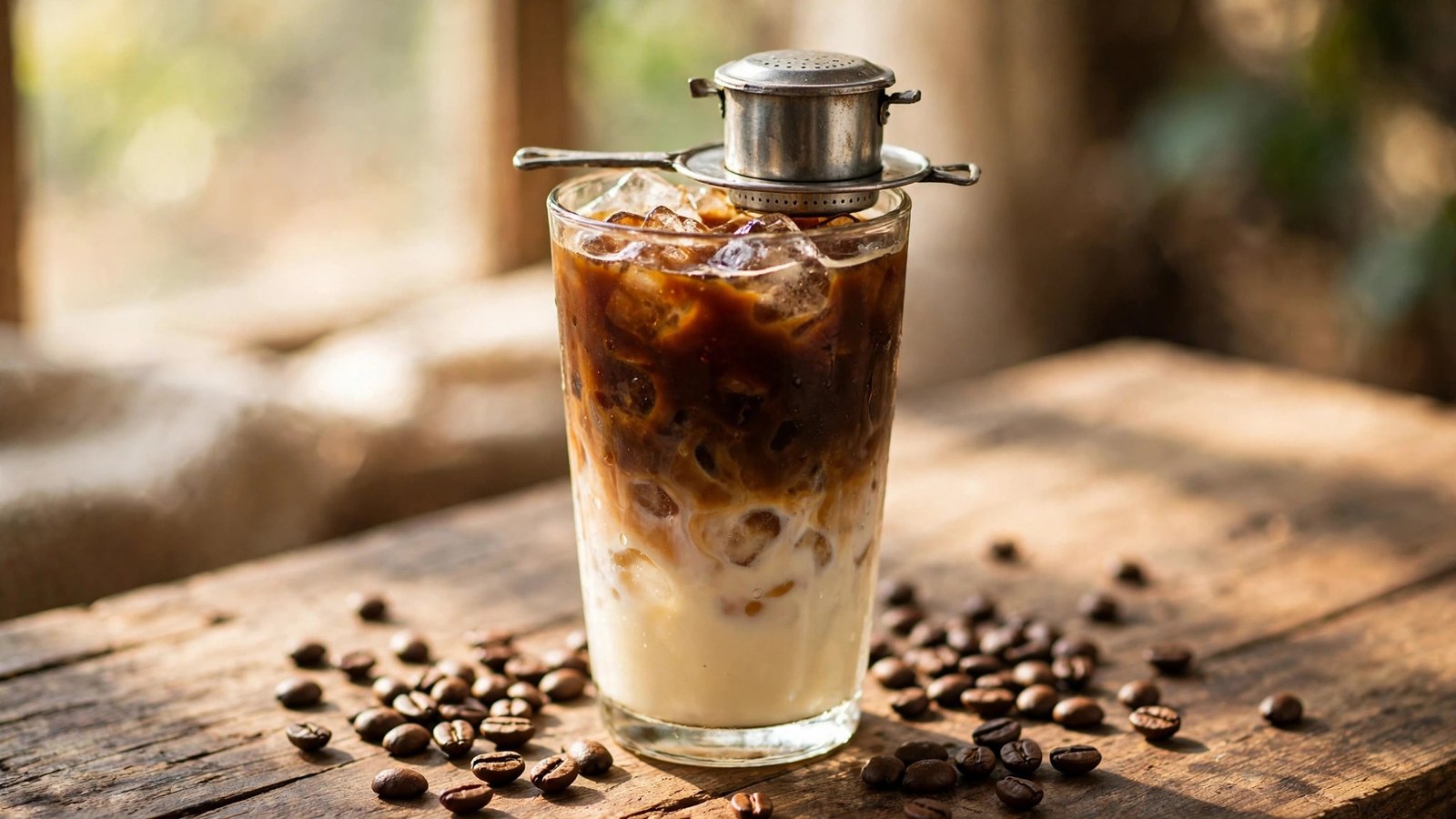
At its core, nitro coffee starts as ordinary cold brew — coffee grounds steeped in cold or room-temperature water for 12 to 24 hours. The difference comes after brewing: nitrogen gas is forced into the cold brew under high pressure, and the coffee is then served from a pressurised tap.
When the nitrogen-rich coffee hits your glass, the tiny bubbles cascade downwards before settling into a thick, creamy head. That’s the signature look — a velvety, Guinness-like pour. The nitrogen bubbles are much smaller than the bubbles in carbonated drinks, so instead of fizz, you get silkiness.
One thing nitro coffee is not: carbonated. It uses nitrogen, not carbon dioxide, so there is no fizzy bite. The mouthfeel is smooth and creamy from the first sip to the last.
How Is Nitro Coffee Made?
The process has two stages:
- Brew the cold brew. Coarsely ground coffee is steeped in cold or room-temperature water for 12 to 24 hours, then strained. This creates a naturally smooth, low-acid concentrate or ready-to-drink coffee.
- Infuse with nitrogen. The cold brew goes into a keg or pressurised container. Food-grade nitrogen (often from small N2 cartridges or a nitrogen tank) is pushed in under pressure. The coffee is then poured through a stout-style tap, which agitates the liquid and releases the fine cascade of bubbles.
Cafés usually keep nitro coffee on tap alongside their regular cold brew, and it’s almost always served chilled and without ice — ice disrupts the creamy head and dilutes the texture that makes the drink special.
What Does Nitro Coffee Taste Like?
Nitro coffee tastes like cold brew turned up a notch. The flavour itself is similar — chocolatey, smooth, and far less bitter than hot-brewed coffee — but the texture transforms the experience. The fine nitrogen bubbles make it feel thick and creamy on the tongue, and many drinkers notice a natural sweetness that isn’t there in plain cold brew.
Because of that creamy mouthfeel, most people drink nitro coffee black, with no milk, cream, or sugar. It genuinely doesn’t need them. If you usually take your coffee with milk because straight coffee tastes harsh, nitro is worth a try — the texture does a lot of the work that dairy normally does.
Nitro Coffee vs Cold Brew: What’s the Difference?
People often use the two terms interchangeably, but they’re different drinks:
| Nitro Coffee | Cold Brew | |
|---|---|---|
| Base | Cold brew coffee | Coffee steeped in cold water 12–24 hours. |
| Extra step | Infused with nitrogen gas under pressure | None. |
| Texture | Thick, creamy, velvety | Light, smooth, refreshing. |
| Appearance | Cascading pour with a foamy head | Clear, dark, served like iced tea. |
| Served | Chilled, no ice, from a tap | Usually over ice. |
| Taste | Naturally sweeter, richer mouthfeel | Smooth and mellow, less complex. |
| Caffeine | Often similar or slightly higher (no ice dilution) | Depends on brew ratio and dilution. |
| Price | Higher — needs special equipment | Lower. |
The short version: nitro coffee is cold brew with an upgrade. If you like cold brew, you’ll probably like nitro — it’s the same flavour family with a richer texture.
Does Nitro Coffee Have More Caffeine?
This is where the smooth taste can be misleading. Nitro coffee is typically made from cold brew, which is often brewed stronger than regular iced coffee. On top of that, nitro is served without ice, so nothing dilutes it the way melting ice dilutes a regular iced coffee.
As a rough guide:
- A typical café nitro cold brew (around 350 ml) lands somewhere in the 200–300 mg caffeine range — broadly similar to a strong cold brew of the same size.
- Starbucks’ Nitro Cold Brew (grande, 473 ml) lists around 280 mg of caffeine, compared with about 205 mg in a grande iced coffee.
These are honest ranges, not exact figures — caffeine varies with the beans, the brew ratio, and the café. The key point is that nitro doesn’t get its kick from the nitrogen; it gets it from being undiluted cold brew. The creamy smoothness can mask how strong it is, so it’s easy to drink more than you planned. One serving is plenty for most people, and it’s best kept to the morning or early afternoon if caffeine affects your sleep.
Is Nitro Coffee Healthy?
Nitro coffee has a few genuine things going for it:
- Low or no calories when drunk black — no milk or sugar needed to make it taste good.
- Lower acidity than hot-brewed coffee, since it’s cold-brew based. People with sensitive stomachs often find it gentler, though caffeine itself can still cause discomfort for some.
- No additives — it’s just coffee, water, and nitrogen.
The nitrogen itself is nothing to worry about. Nitrogen makes up most of the air you breathe, doesn’t react with the coffee, and is widely used in food and drink. The only real health consideration is the caffeine: too much can bring jitters, a racing heart, or a ruined night’s sleep. Enjoyed in moderation, nitro coffee is one of the cleaner ways to drink coffee.
Where Can You Get Nitro Coffee?
Starbucks brought nitro coffee to the mainstream with its Nitro Cold Brew, and most larger Starbucks locations with the special tap serve it. Beyond that, plenty of independent cafés now keep nitro on tap — it’s become a standard menu item at third-wave coffee shops.
You’ll also find canned and bottled nitro cold brew in supermarkets. These use clever packaging (often a widget-style insert, similar to canned stout) to recreate the cascading effect when poured. They’re decent, but freshly tapped nitro at a café is noticeably better.
Can You Make Nitro Coffee at Home?
Yes, though it takes some kit. Here’s the honest breakdown:
- Make cold brew first. Steep coarse coffee grounds in cold water for 12 to 24 hours, then strain. You need a smooth, well-made cold brew as your base — a rough brew won’t magically improve under nitrogen.
- Get a nitro setup. The most common home option is a small nitro cold brew maker — a pressurised bottle or mini-keg that takes food-grade N2 cartridges (the small 2 g chargers sold for this purpose). You fill it with cold brew, charge it with nitrogen, shake, and pour.
- Serve it right. Pour into a glass with no ice, straight from the dispenser, and watch the cascade.
Home nitro makers typically cost anywhere from modest to pricey depending on the size and brand, plus the ongoing cost of nitrogen cartridges. It’s a fun project if you’re already into cold brew, but if you just want to try nitro coffee, buying one at a café is far cheaper than setting up at home.
FAQs
Is nitro coffee stronger than espresso?
Not per sip — espresso is far more concentrated. But a full glass of nitro coffee usually contains more total caffeine than a single or double espresso, simply because it’s a much larger drink. Compare total serving sizes, not just the buzz.
Why is nitro coffee served without ice?
Ice breaks up the creamy nitrogen head and dilutes the drink as it melts. Nitro is brewed to be served chilled and undiluted, so ice would undo the texture that makes it special.
Why is nitro coffee more expensive?
Two reasons: the equipment (pressurised kegs, nitrogen tanks, and stout taps aren’t cheap) and the base (it starts with slow-steeped cold brew, which takes 12–24 hours to make). You’re paying for the kit and the process.
Is nitro coffee carbonated?
No. Carbonation uses carbon dioxide, which creates large, sharp bubbles. Nitro uses nitrogen, which creates tiny bubbles and a silky texture. It looks dramatic but drinks smooth, not fizzy.
Is nitro coffee good for weight loss?
Nitro coffee itself has virtually no calories when drunk black, which makes it a better pick than sugary coffee drinks. But coffee alone doesn’t cause weight loss — it’s just a low-calorie way to enjoy your caffeine.
Does nitro coffee go bad?
Like any cold brew, it’s best fresh. Café nitro is made to be drunk immediately. Canned nitro cold brew lasts as long as the date on the can, but once opened, drink it straight away — the nitrogen effect fades fast.
The Bottom Line
Nitro coffee is cold brew with a texture upgrade: nitrogen infusion turns an already smooth drink into something creamy, naturally sweet, and genuinely enjoyable black. It’s not carbonated, the nitrogen is perfectly safe, and the caffeine is on par with strong cold brew — just easier to overdo because it tastes so smooth.
Whether you grab one from a café tap or invest in a home setup, it’s one of the more interesting developments in coffee in recent years, and well worth trying at least once.