

Creamer is the easiest way to change how your coffee tastes without changing your beans. One bottle of flavored creamer can turn a bitter mug into something smooth, sweet, and worth slowing down for.
Below is a plain-spoken roundup of the most popular coffee creamer flavors, the difference between liquid, powder, and non-dairy creamers, and honest tips on choosing one that fits your taste and your health goals. No lab tests, no sponsored picks — just what’s on shelves and what people actually drink.
A coffee creamer is a flavored liquid or powder designed to lighten and sweeten coffee. Most commercial creamers (like Coffee Mate or International Delight) are non-dairy: typically water, sugar or sweeteners, vegetable-based fats, and flavorings. They give coffee a creamy texture and consistent flavor that plain milk doesn’t always deliver.
Dairy creamers exist too — often just cream, milk, sugar, and natural flavors — and they taste noticeably fresher, though they expire faster.
These are the flavors that show up everywhere and keep selling year after year:
| Flavor | Best For | Sweetness Level |
|---|---|---|
| French Vanilla | Everyday drinking, any roast | Medium |
| Hazelnut | Dark roast, drip coffee | Medium |
| Caramel | Iced coffee, lattes | High |
| Mocha | Dessert-style cups | High |
| Sweet Cream | People who like mild sweetness | Low–Medium |
| Irish Crème | Occasional treat | High |
| Coconut Crème | Light roast, cold brew | Medium |
| Pumpkin Spice | Fall seasonal cups | High |
Liquid creamers (like International Delight) mix instantly into hot coffee with zero lumps and give the richest texture. The trade-off: they need refrigeration and expire in weeks once opened.
Powdered creamers (like classic Coffee Mate powder) last for months at room temperature and let you control the amount precisely. They’re handy for offices, travel, and backup. The texture is slightly less silky than liquid.
Non-dairy vs. dairy: most flavored creamers are non-dairy, which is why they keep longer. If you avoid lactose, check the label — some “non-dairy” creamers still contain milk derivatives like casein. True dairy creamers (e.g., simple cream + sugar + natural flavor) taste fresher but spoil quickly.
Start with one tablespoon per 8-oz cup and add more from there. The most common mistake is pouring first and measuring never — two or three “glugs” can easily mean 100+ extra calories and 20+ grams of sugar. Most people find 1–2 tablespoons hits the sweet spot where the coffee flavor still comes through.
If the sugar in regular creamers bothers you, there are a few honest alternatives:
Read the nutrition label before you buy: some “light” creamers cut sugar but add extra thickeners, and serving sizes are often just one tablespoon.
French vanilla is the long-time bestseller, followed by hazelnut, caramel, mocha, and sweet cream. Seasonal pumpkin spice sells strongly every fall.
For daily drinking, milder flavors like French vanilla or sweet cream work best because they don’t cause flavor fatigue. Save the richer flavors like caramel and Irish crème for occasional cups.
Liquid mixes better and tastes richer; powder lasts longer and is more budget-friendly. Neither is universally better — it depends on whether you value convenience or shelf life.
The healthiest option is usually the one with the least sugar and the shortest ingredient list — unsweetened nut or oat creamers, or homemade creamer made from milk, cream, and natural flavors. If buying commercial creamer, compare labels per tablespoon.
Yes. Mix 1 cup of milk or cream with a sweetener of your choice and a teaspoon of vanilla extract or cocoa powder. It keeps about a week in the fridge. See our full homemade coffee creamer guide.
Most non-dairy creamers are a blend of water, sugar or sweeteners, vegetable-based fats (like soybean or coconut oil), and flavorings. Check labels if you have a milk allergy, since some contain milk derivatives.
Start with 1 tablespoon per 8-oz cup and adjust to taste. Most people settle around 1–2 tablespoons.
The right creamer flavor won’t fix bad coffee, but it can make a good cup more enjoyable — smoother, a little sweeter, and more consistent from day to day. Start with a mild classic like French vanilla, measure your pours, and read the label once. That’s really all there is to it.



Jump To How to Taste Coffee at Home: Cupping Without Any Special Gear The Short Answer Learning how to taste coffee at home takes two bowls, two spoons, hot water and about 15 minutes. You brew two coffees side by side, break the crust that…

Jump To Whole Bean vs Pre-Ground Coffee: When Freshness Actually Matters (and When It Doesn’t) Whole bean vs pre-ground coffee comes down to one thing: air. Whole beans keep their flavour locked inside for weeks, while ground coffee starts losing it within hours of grinding.…
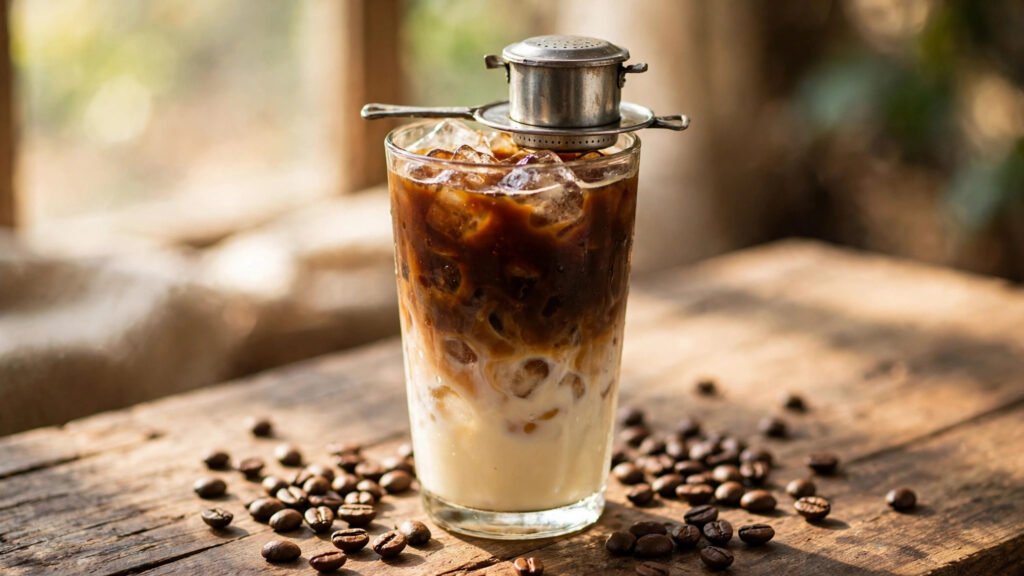
Jump To Vietnamese Iced Coffee (Ca Phe Sua Da): The Real Recipe, Plus the No-Phin Version Vietnamese iced coffee — ca phe sua da — is dark, strong coffee dripped slowly through a small metal phin filter onto sweetened condensed milk, then stirred and poured…

Explore the world of coffee with honest reviews and practical advice. Find your perfect cup, one bean and machine at a time.