
Does Decaf Coffee Have Caffeine? The Honest Answer Every Coffee Lover Deserves
Jump To
Does Decaf Coffee Have Caffeine? The Honest Answer Every Coffee Lover Deserves
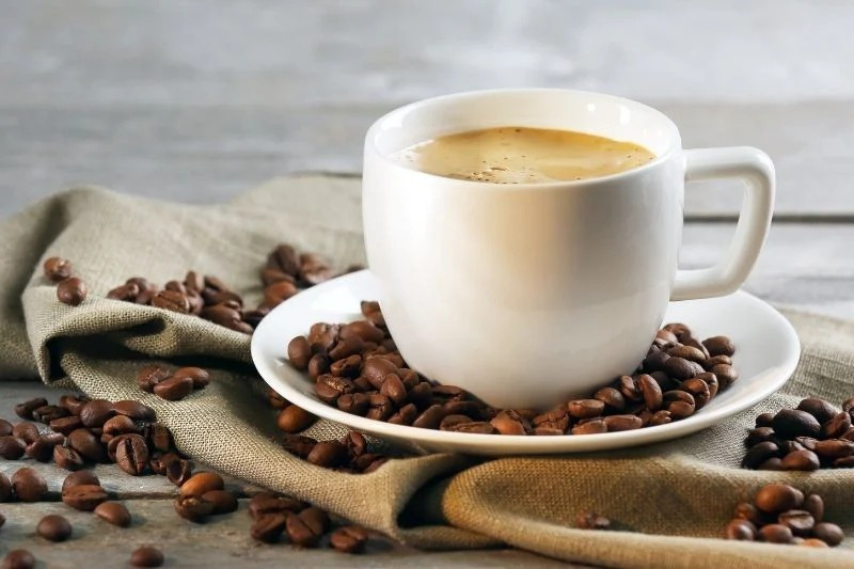
You are not the only person who ever stood in line at the cafe, looked at the menu, and thought, I like coffee, but not today because I do not want to feel jittery. Several individuals move to decaf, thinking that it is the safest and most relaxing one. But sooner or later, a simple doubt pops into the mind: Does decaf coffee have caffeine?
It’s a fair question. And the noble truth is not as black and white as the labels that most people apply.
The article is not here to frighten you off decaf or indoctrinate you to take it. Rather, we should speak as actual human beings: clearly, scientifically, and with experience, and without making any inflated statements.
Decaf Coffee: What It Really Means (Not What We Assume)
The majority of the population listens to the term decaf and thinks of zero caffeine. As a matter of fact, decaf coffee does not have all the caffeine, only most.
Coffee beans have been found to be rich in caffeine. It is almost impossible to eliminate all the molecules without hurting the taste. A small trace is always left over, even after the processing is done. That’s why the question does decaf coffee has caffeine continues to matter, especially for people sensitive to stimulants.
In legal terms, coffee can be termed as decaf when approximately 97 to 99 percent of its caffeine has been eliminated. In the view of labeling, that is good. Biologically, it is at your mercy.
The Caffeine That’s Left: Small, But Not Imaginary
An average cup of coffee has approximately 80 to 100 milligrams of caffeine. In comparison, decaf has between 2 and 5 milligrams per cup.
On paper, that amount does not seem harmful, and, to a majority of individuals, it is. However, it is not always that bodies read nutrition labels. Some have a slow caffeine metabolism. Some others are neurologically vulnerable. To them, even the slightest quantities will be felt.
This explains why people keep searching does decaf coffee have caffeine, even after hearing “it’s basically caffeine-free.” Basically is not a synonym of totally.
Why Decaf Coffee Can Still Feel “Energizing”
This is one of the things that most blogs will not tell you: caffeine is not the sole cause that coffee wakes you up.
The aroma of coffee is sufficient to stimulate. The warmth elevates the blood circulation. Even the very routine makes your brain think that it is time to wake up. That’s why many people ask whether decaf coffee gives you energy, even when they logically know caffeine levels are low.
Stated in a word, decaf coffee does not have to chemically stimulate you and feel energizing. It is a subtle, psychological, and very realistic effect.
Can Decaf Coffee Keep You Awake at Night?
Decaf coffee will not bother the sleep of the majority of people. Still, a few individuals observe that there is restlessness or light sleep when taking it in the evening. This leads to another common concern: Does decaf coffee keep you awake?
The solution in the majority of the instances is not caffeine but time, routine, or stomach. Coffee is also acidic, and to some individuals, acid reflux or stomach upsets can interfere with sleep to an extent that caffeine would not have.
In case of the effects of decaf on your sleep, this may not imply that there is something wrong with you. It only implies that your body is faster than normal.
Side Effects People Don’t Expect From Decaf Coffee
Decaf coffee has a clean image, but it is not completely free of side effects. Other individuals complain of stomach pains, bloating, or headaches. These are commonly grouped under decaffeinated coffee side effects, though caffeine is rarely the cause.
The actual culprits are normally coffee oils, acidity, or the strength of brewing. The problem can be remedied by switching to darker roasts or low-acid decaf.
Decaf Coffee During Pregnancy: What Actually Matters
When pregnant, the effect of caffeine is altered on the body. Physicians tend to prescribe a restriction of consumption, rather than its complete removal. That’s why many expecting mothers wonder if decaf coffee has caffeine pregnant.
The fact is that decaf is usually regarded as safe in moderation, yet it is not like a caffeine-free beverage. It may still accumulate even when one drinks more than one cup per day. That is why medical suggestions are always better than assumptions.
One cup occasionally? Usually fine. Several cups daily? Valuable to discuss with a medical practitioner.
Taste Matters: Is Decaf Still “Real” Coffee?
The reputation of decaf coffee being dull or artificial had existed over the years. Such a reputation was a result of old-fashioned processing procedures. Today, even decaf could be made of high-quality beans and be surprisingly tasty and rich.
Still, many people ask whether decaf coffee tastes different. The truthful answer would be: sometimes, but not always. The distinction is more about the quality of the beans and the ability to roast rather than the caffeine deficiency.
In blind taste tests, most coffee drinkers are unable to make a difference.
What About Big Brands and Coffee Chains?
Big chains always enter the conversation about caffeine since their brewing process is heavier. A frequent question is, does decaf coffee have caffeine? Dunkin’s: and yes, it does, though still in small amounts.
Chain coffee may be stronger due to the blends of beans, the size of the serving, and the extraction styles. That does not imply that decaf is not safe; it only indicates that brand transparency is important.
Why Reddit Is Obsessed With Decaf Coffee
If you’ve ever browsed forums, you’ve probably seen heated discussions titled ” Does decaf coffee have caffeine reddit. Human beings experience incredibly different experiences; some feel nothing, and some have anxious or alert feelings.
This difference is confirmatory of one fact: caffeine tolerance is individual. General labels and specific bodies.
Decaf Coffee vs Truly Caffeine-Free Drinks
Here, it is necessary to be specific. Decaf coffee is not the same as caffeine-free coffee alternatives like herbal teas or grain-based drinks. Decaf might not be the best option if you want to have zero caffeine.
However, in case you do not want any but just less caffeine, decaf is one of the most feasible alternatives.
So… Should You Drink Decaf Coffee?
Smart coffee is one that you should take when you are in need of coffee, but you need control. It allows you to taste, feel, and have regularity without excessive stimulation of your nervous system.
It’s not a trick. It’s not fake. And it is not injurious to the majority.
Related Coffee Topics You May Like
FAQs:
Is decaf coffee still a stimulant?
Decaf coffee contains very small amounts of caffeine, so it is only mildly stimulating for most people. Any alertness usually comes from habit, aroma, and routine rather than caffeine itself.
Is decaf ok for anxiety?
Yes, decaf coffee is generally better for anxiety because it avoids the strong stimulant effects of caffeine. However, highly sensitive individuals may still react due to psychological or digestive factors.
Is decaf coffee healthier than regular coffee?
Decaf coffee offers many of the same antioxidants as regular coffee with far less caffeine. This makes it a healthier option for people sensitive to caffeine or managing heart or sleep issues.
Is there 100% caffeine free coffee?
Traditional decaf coffee is not 100% caffeine free, as it contains trace amounts. Truly caffeine-free options include herbal teas and coffee substitutes made from grains or roots.
What are the negatives of decaf coffee?
Some people experience digestive discomfort, acid reflux, or mild headaches from decaf coffee. These effects are usually related to coffee acids rather than caffeine content.
What is the healthiest type of coffee?
The healthiest coffee is one that suits your body, usually freshly brewed, low-acid, and consumed without excess sugar or cream. Both high-quality regular and decaf coffee can be healthy when consumed in moderation.
Final Thoughts
At the end of the day, does decaf coffee have caffeine?
Yes–but in very little quantities, so that all the world will not be aware of it. Decaf is not the state of being perfect, but of being balanced. It is suited to individuals who desire coffee to fit into their lives and not to dominate their lives.
In case regular coffee is too strong, decaf is not a downgrade; it is an adaptation. And to most, it is the best that they ever made.

qasim.hafeez@hotmail.com
How to Make Coffee Easy: Effortless Tips for Barista‑level Brew at Home
September 17, 2026
No Comments
Read More » Mastering the Art: How to Make Coffee Darker for a Richer, Bold Brew
September 16, 2026
No Comments
Read More » 
How to Make Coffee Dip: Easy Steps to Create a Rich, Coffee-infused Spread
September 15, 2026
No Comments
Read More » Latest Pots
Imagine waking up, craving a rich cup, but feeling overwhelmed by complicated machines and vague recipes. You want great coffee without the fuss, and you deserve a method that works every single time. This guide shows you exactly how to make coffee easy, turning morning…
Many coffee lovers crave a cup that looks as deep and intense as its flavor promises. If your brew often turns out light or washed out, you’re not alone—achieving that striking darkness involves more than just adding extra grounds. In the next few paragraphs we’ll…

Explore the world of coffee with honest reviews and practical advice. Find your perfect cup, one bean and machine at a time.
Main Menu
Top Categories
Newsletter
Sign up our newsletter to get updated information, promo or insight for free.
Copyright © 2025 Best Coffee Guide, All rights reserved.