
15 Most Popular Coffee Drinks in the World (2026 Guide)
Jump To

This guide covers the 15 most popular coffee drinks you’ll find in cafes around the world — what goes into each one, how strong it tastes, and which might suit you. Whether you’re new to coffee or just curious what a cortado actually is, you’ll find a clear answer for every drink below.
At a Glance: All 15 Drinks Compared
| Drink | Espresso base | Milk | Typical ratio | Origin |
|---|---|---|---|---|
| Espresso | Yes | None | 1 oz shot (single), ~25–30 sec extraction | Italy |
| Cappuccino | Yes | Steamed milk + foam | 1/3 espresso, 1/3 milk, 1/3 foam | Italy |
| Latte | Yes | Lots of steamed milk | 1 part espresso to ~3 parts milk, thin foam | Italy (caffe latte) |
| Macchiato | Yes | Just a dollop of foam | Espresso “marked” with foam | Italy |
| Flat White | Yes (double shot) | Velvety microfoam | Less milk than a latte, stronger coffee taste | Australia / New Zealand |
| Americano | Yes | None (hot water instead) | 1–2 shots + hot water | Named for American GIs in WWII Italy |
| Mocha | Yes | Steamed milk + chocolate | Espresso, chocolate, milk (~1:1:2) | Named for Yemen’s port of Mocha |
| Cortado | Yes | Warm milk, little or no foam | Equal parts espresso and milk | Spain (Basque Country) |
| Turkish Coffee | No (brewed) | None | Unfiltered, finely ground coffee in a cezve | Ottoman Empire |
| Cold Brew | No (steeped) | Optional | Coffee steeped in cold water 12–24 hours | Dutch/Japanese brewing tradition |
| Affogato | Yes | None (ice cream instead) | 1 shot over a scoop of gelato | Italy |
| Frappuccino | Varies | Milk, blended with ice | Blended iced drink (Starbucks trademark) | USA |
| Dalgona Coffee | No (instant coffee) | Milk under whipped coffee | Whipped instant coffee + sugar + water over milk | South Korea (2020 trend) |
| Cafe au Lait | No (brewed coffee) | Steamed milk | Roughly half coffee, half milk | France |
| Irish Coffee | No (brewed coffee) | Cream floated on top | Coffee + Irish whiskey + sugar + cream | Ireland |
The 15 Most Popular Coffee Drinks, Explained
1. Espresso
The base of nearly everything on this list. Hot water is forced through finely ground coffee under high pressure, producing a small, concentrated shot (about 1 oz per single) with a golden crema on top. It tastes bold and intense — this is coffee in its purest, strongest-tasting form. Almost every milk drink below starts life as espresso.
2. Cappuccino
The classic Italian morning drink: equal thirds of espresso, steamed milk, and airy milk foam. The foam cap makes it feel lighter than it is, while the coffee flavor still comes through clearly. In Italy it’s traditionally a before-noon drink, but the rest of the world drinks it all day.
3. Latte (Caffe Latte)
One part espresso to about three parts steamed milk, finished with a thin layer of foam. All that milk mellows the coffee, which is why the latte is the go-to for anyone who finds espresso too harsh. It’s also the most customizable drink on any menu — vanilla, caramel, and hazelnut syrups all work well here.
4. Macchiato
“Macchiato” means “stained” or “marked” in Italian: a shot of espresso with just a dollop of milk foam on top. It tastes almost as bold as straight espresso, with the foam taking the sharpest edge off. One thing to know — the tall, sweet caramel drink sold under this name at big chains is really a latte-style drink, not a traditional macchiato.
5. Flat White
A double shot of espresso topped with silky, finely textured steamed milk (microfoam). It uses less milk than a latte, so the coffee flavor is front and center, but the milk keeps it smooth rather than bitter. It comes from the cafe culture of Australia and New Zealand and has become a staple of third-wave coffee shops everywhere.
6. Americano
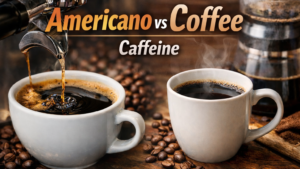
Espresso diluted with hot water — typically one or two shots topped up to a full cup. You get the flavor notes of espresso in a longer, gentler drink without any milk. The story goes that it was created for American soldiers in Italy during WWII who found straight espresso too strong.
7. Mocha
Espresso meets chocolate: a shot (or two) of espresso mixed with cocoa or chocolate syrup and steamed milk, often finished with whipped cream. It tastes like a dessert that happens to contain coffee. A natural pick if you like chocolate more than you like the taste of coffee itself.
8. Cortado
A Spanish drink made with equal parts espresso and warm milk, served in a small glass. The milk takes the harsh edge off the espresso without burying it — you still taste the coffee clearly. It’s a good middle ground if a macchiato feels too strong but a latte feels too milky.
9. Turkish Coffee
One of the oldest brewing methods still in use. Very finely ground coffee (finer than espresso grind) is simmered with water and sugar in a small pot called a cezve, then poured unfiltered into the cup — grounds and all. The result is thick, strong, and deeply aromatic. It’s as much a cultural ritual as a drink.
10. Cold Brew
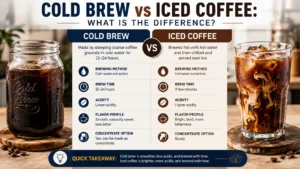
Coarsely ground coffee steeped in cold or room-temperature water for 12 to 24 hours, then strained. The slow, cold extraction produces a naturally smooth, mellow cup that many people find less acidic-tasting than iced coffee made from hot-brewed coffee. Serve it over ice, with milk or black — and note that a large serving can pack plenty of caffeine despite the gentle taste.
11. Affogato
Italian for “drowned”: a scoop of vanilla gelato (or ice cream) with a shot of hot espresso poured over it. The hot-cold contrast is the whole point. It works as a dessert, an after-dinner treat, or a very indulgent afternoon pick-me-up.
12. Frappuccino
A blended iced coffee drink — coffee or espresso, milk, ice, and flavorings blended into a slushy, usually topped with whipped cream. Worth knowing: Frappuccino is a registered trademark of Starbucks, so independent cafes sell the same style of drink under names like “frappe” or “blended iced coffee.”
13. Dalgona Coffee
The whipped coffee that took over social media in 2020: instant coffee, sugar, and hot water whipped into a thick caramel-colored foam and spooned over cold milk. It looks impressive and tastes sweet and creamy. It originated in South Korea and remains a fun, easy drink to make at home.
14. Cafe au Lait
French for “coffee with milk”: regular brewed coffee (not espresso) mixed roughly half-and-half with hot steamed milk. It’s simpler and lighter than a latte, and it’s a traditional French breakfast drink, often served in a wide bowl rather than a cup.
15. Irish Coffee
Hot brewed coffee spiked with Irish whiskey and a spoonful of sugar, finished with a layer of lightly whipped cream floated on top. Warming and rich, it’s typically served as an after-dinner drink or on cold evenings rather than as an everyday morning cup.
Coffee Trends Worth Knowing in 2026
Menus keep evolving. Nitro cold brew (cold brew infused with nitrogen for a creamy, cascading texture) is showing up in more cafes, and cold foam — frothed cold milk spooned over iced drinks — has become a standard customization. You’ll also see more sugar-free syrup options and plant-milk defaults as shops adapt to changing tastes. The classics above aren’t going anywhere, but it’s worth knowing what’s new when you scan a menu.
How to Pick Your Drink
- Want it strong: Espresso, macchiato, or Turkish coffee
- Want it smooth and milky: Latte or flat white
- Want something balanced: Cappuccino or cortado
- Want it sweet: Mocha, affogato, or a blended frappe
- Want it cold and refreshing: Cold brew or iced americano
- No espresso machine at home: French press coffee, cold brew, dalgona, and cafe au lait are all easy without special equipment
Frequently Asked Questions
What are the most popular coffee drinks?
The most popular coffee drinks worldwide include espresso, latte, cappuccino, americano, mocha, macchiato, flat white, and cold brew. Espresso is the foundation — most of the others are built from it with different amounts of milk, water, or flavorings.
Which coffee drink has the most caffeine?
Per ounce, espresso has the highest caffeine concentration. But serving size matters: a large cold brew or a big drip coffee can contain more total caffeine than a single espresso shot. If you’re watching your intake, check the caffeine content per serving, not just the drink type.
What’s the difference between a latte and a cappuccino?
Both are espresso plus steamed milk, but the proportions differ. A cappuccino is equal thirds of espresso, steamed milk, and foam — drier and airier. A latte is about one part espresso to three parts steamed milk with only a thin foam layer — milkier and smoother.
What’s the difference between a latte and a flat white?
A flat white uses a double shot of espresso and less milk than a latte, with finely textured microfoam instead of a thick foam cap. The result tastes stronger and more coffee-forward than a latte.
Is a macchiato stronger than a latte?
Yes. A traditional macchiato is essentially an espresso with a touch of foam, while a latte is mostly milk. The caramel macchiato sold at large chains is a different, much milkier drink despite the name.
Final Thoughts
Every drink on this list starts from the same humble bean — what changes is the preparation. The best way to find your favorite is to work your way through a few: start milder with a latte or flat white, try a cappuccino or cortado when you want more coffee character, and keep espresso for when you want the full, undiluted experience. There’s no wrong answer; the best coffee drink is simply the one you enjoy most.

qasim.hafeez@hotmail.com

Instant Coffee Magic: How to Make Coffee Extract with Instant Coffee
September 18, 2026
No Comments
Read More » Latest Pots
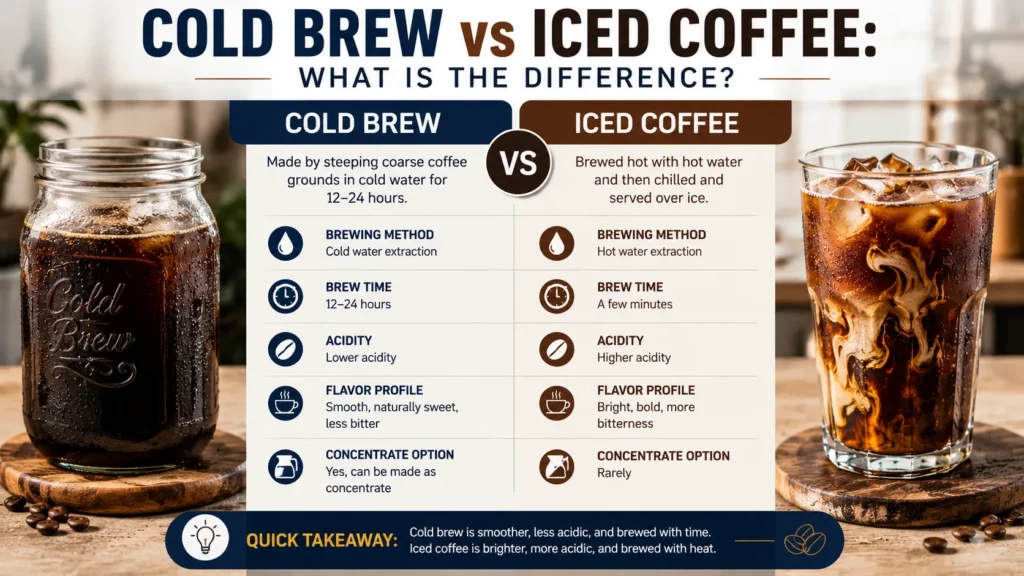
Cold brew vs iced coffee vs iced espresso — the summer menu looks simple until you have to choose. They all show up in a glass of ice. But they don’t taste the same, they aren’t made the same way, and they don’t take the…
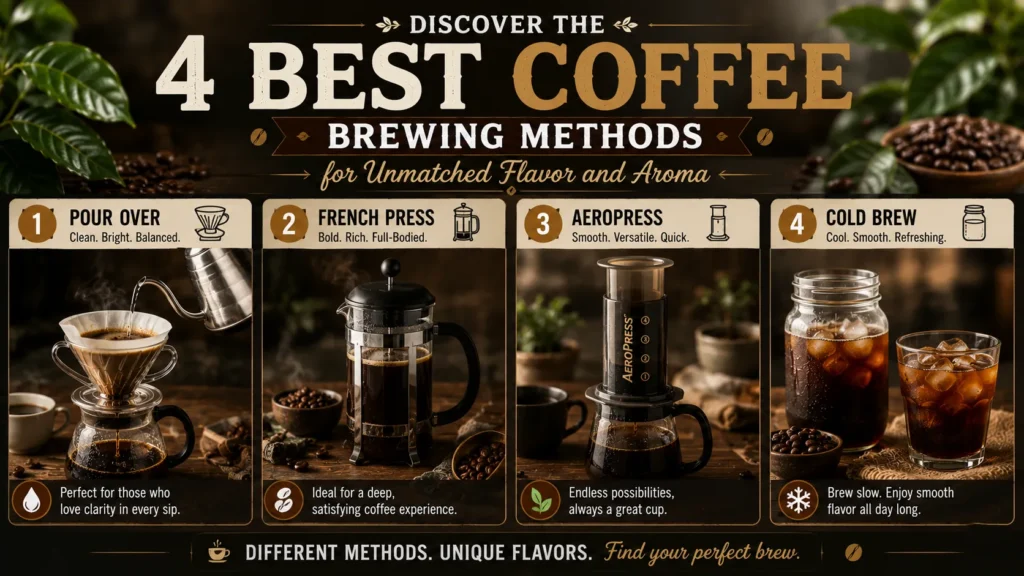
French press vs pour over vs espresso — three brewers, three very different cups of coffee. None of them is objectively “the best.” They just suit different mornings, different budgets, and different tastes. This guide compares all three honestly: how each one works, what the…

Explore the world of coffee with honest reviews and practical advice. Find your perfect cup, one bean and machine at a time.
Main Menu
Top Categories
Newsletter
Sign up our newsletter to get updated information, promo or insight for free.
Copyright © 2025 Best Coffee Guide, All rights reserved.